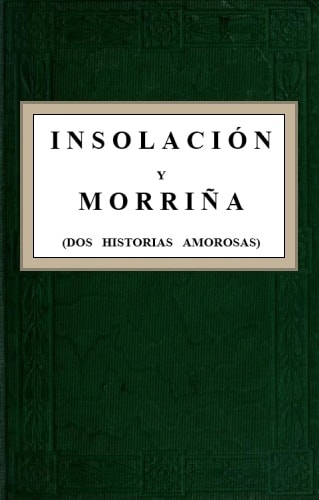
Insolación Y Morriña (dos Historias Amorosas)
1911
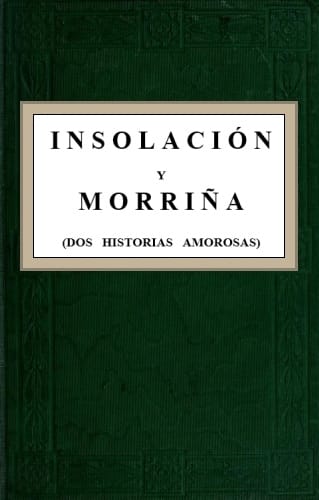
Two interlocking tales of passion and longing from one of Spain's most radical literary voices. Emilia Pardo Bazán, the Countess who scandalized a nation with her frank treatment of female desire, presents Asís Taboada: a woman who wakes with a splitting headache and a devastating clarity about the romantic indiscretion that has shattered her carefully constructed life. Through Asís's encounters with her sharp-tongued maid Diabla, we witness the collision between respectable society and the body's untamable wants. "Insolación" burns with the heat of forbidden attraction, while "Morriña" (the Galician word for a longing that aches like physical sickness) traces the emigrant's heart torn between homeland and desire. These are not polite romances. They are unsentimental, psychologically acute explorations of what happens when a woman refuses to apologize for wanting. Written in 1911 by a writer who defended Zola, championed naturalism, and lived life on her own terms, these stories feel startlingly contemporary: frank about desire, ruthless about the double standards that condemn women for the feelings men are forgiven.
Editions
Link to this book
Add a free, dofollow link to Lex on your blog, forum, syllabus, or reading list.

<a href="https://lex-books.com/book/insolaci-n-y-morri-a-dos-historias-amorosas-e1f2643f-cd9b-4e32-bf62-a134c9cdb949"><img src="https://lex-books.com/badges/read-on-lex.svg" alt="Read Insolación Y Morriña (dos Historias Amorosas) by Emilia, condesa de Pardo Bazán free on Lex" width="160" height="40"></a>[](https://lex-books.com/book/insolaci-n-y-morri-a-dos-historias-amorosas-e1f2643f-cd9b-4e32-bf62-a134c9cdb949)[url=https://lex-books.com/book/insolaci-n-y-morri-a-dos-historias-amorosas-e1f2643f-cd9b-4e32-bf62-a134c9cdb949][img]https://lex-books.com/badges/read-on-lex.svg[/img][/url]Read Insolación Y Morriña (dos Historias Amorosas) by Emilia, condesa de Pardo Bazán free on Lex: https://lex-books.com/book/insolaci-n-y-morri-a-dos-historias-amorosas-e1f2643f-cd9b-4e32-bf62-a134c9cdb949Cite this book
Reading this edition for a paper or guide? Copy a citation.
Emilia, condesa de Pardo Bazán. Insolación Y Morriña (dos Historias Amorosas). Lex, lex-books.com/book/insolaci-n-y-morri-a-dos-historias-amorosas-e1f2643f-cd9b-4e32-bf62-a134c9cdb949.Emilia, C. D. P. B. (1911). Insolación Y Morriña (dos Historias Amorosas). Lex. https://lex-books.com/book/insolaci-n-y-morri-a-dos-historias-amorosas-e1f2643f-cd9b-4e32-bf62-a134c9cdb949Emilia, condesa de Pardo Bazán. Insolación Y Morriña (dos Historias Amorosas). Lex. https://lex-books.com/book/insolaci-n-y-morri-a-dos-historias-amorosas-e1f2643f-cd9b-4e32-bf62-a134c9cdb949.