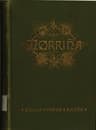
Morriña (homesickness)
1889
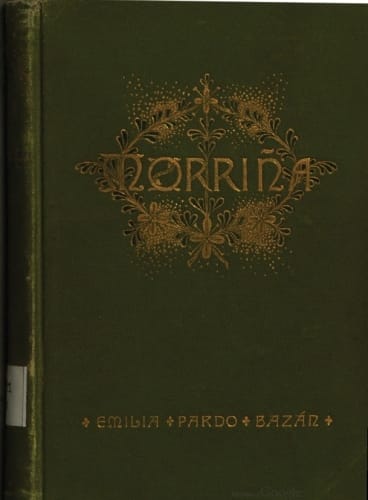
Morriña (homesickness)
Emilia, condesa de Pardo Bazán
1889
Translated by Mary J. (Mary Jane) Serrano
Emilia Pardo Bazán, the formidable Spanish novelist who reshaped realism in her era, turns her piercing gaze inward in this quiet masterpiece about the ache of displacement. Morriña the word is Galician, untranslatable into Spanish or English, denoting a homesickness so profound it becomes a kind of illness. This is the ailment consuming Rogelio, a delicate young man studying in Madrid, whose body and spirit have withered far from his native Galicia. His mother Doña Aurora watches by the window as he attends lectures, her devotion curdling into guilt: she brought him here, to the capital, for his education, and now she cannot restore him. Into their household comes Esclavita, a young Galician servant whose very name mocks her status, and whose presence ignites something in Rogelio a hunger for the homeland he cannot return to. What unfolds is a devastating psychological study of three souls trapped in different degrees of exile, their relationships shifting as class, nostalgia, and longing collide. Pardo Bazán writes with surgical precision about maternal love that suffocates, about identity that persists like a phantom limb, and about the impossible distance between where we are and where we belong. This is literature that understands how homesickness can become a form of grief.
Editions
Link to this book
Add a free, dofollow link to Lex on your blog, forum, syllabus, or reading list.

<a href="https://lex-books.com/book/morri-a-homesickness-9c4ed8b3-596b-4fef-b631-239e223dc691"><img src="https://lex-books.com/badges/read-on-lex.svg" alt="Read Morriña (homesickness) by Emilia, condesa de Pardo Bazán free on Lex" width="160" height="40"></a>[](https://lex-books.com/book/morri-a-homesickness-9c4ed8b3-596b-4fef-b631-239e223dc691)[url=https://lex-books.com/book/morri-a-homesickness-9c4ed8b3-596b-4fef-b631-239e223dc691][img]https://lex-books.com/badges/read-on-lex.svg[/img][/url]Read Morriña (homesickness) by Emilia, condesa de Pardo Bazán free on Lex: https://lex-books.com/book/morri-a-homesickness-9c4ed8b3-596b-4fef-b631-239e223dc691Cite this book
Reading this edition for a paper or guide? Copy a citation.
Emilia, condesa de Pardo Bazán. Morriña (homesickness). Lex, lex-books.com/book/morri-a-homesickness-9c4ed8b3-596b-4fef-b631-239e223dc691.Emilia, C. D. P. B. (1889). Morriña (homesickness). Lex. https://lex-books.com/book/morri-a-homesickness-9c4ed8b3-596b-4fef-b631-239e223dc691Emilia, condesa de Pardo Bazán. Morriña (homesickness). Lex. https://lex-books.com/book/morri-a-homesickness-9c4ed8b3-596b-4fef-b631-239e223dc691.