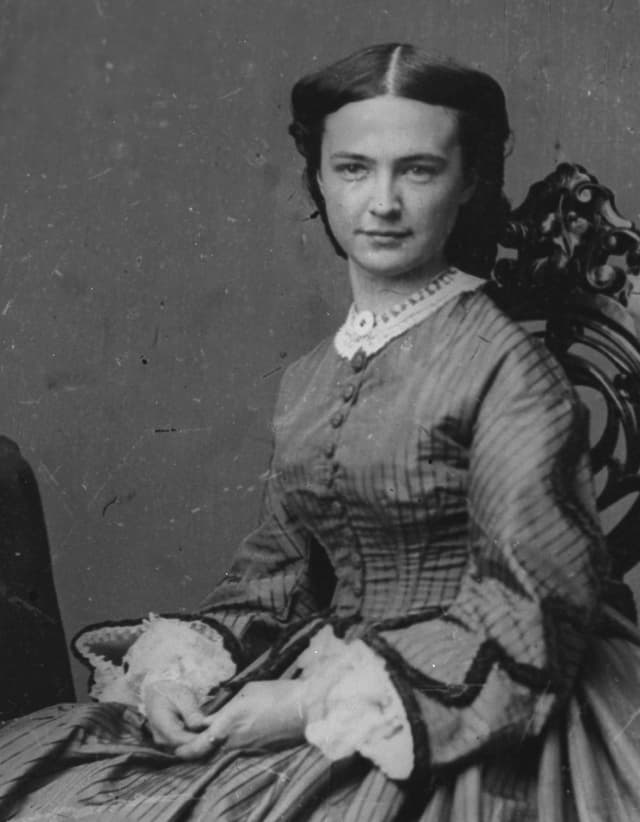
Elizabeth Bacon Custer
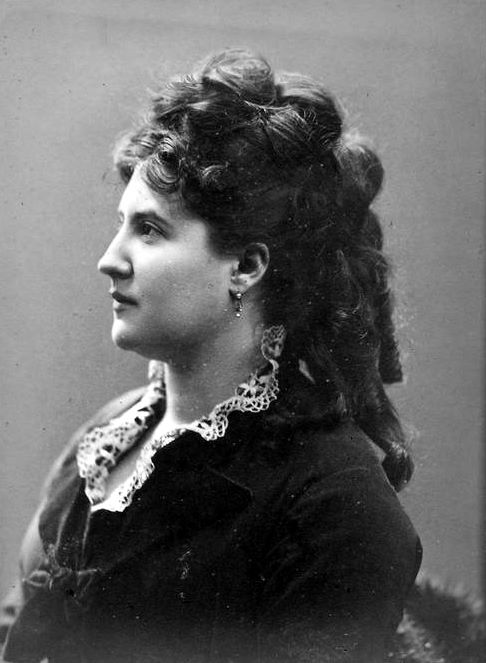
Elizabeth Bacon Custer was a prominent figure in American history, best known as the wife of General George Armstrong Custer. Throughout their twelve-year marriage, she maintained a close connection with him despite his extensive military duties during the Civil War and his later campaigns on the Great Plains. Following her husband's death at the Battle of the Little Bighorn, Elizabeth faced financial hardship but transformed her grief into a passionate advocacy for his legacy. She authored several books and delivered lectures that romanticized Custer's life and valor, effectively shaping public perception of him as a heroic figure in American folklore. Through her efforts, Elizabeth Custer played a crucial role in cementing her husband's status as a gallant hero, a narrative that dominated American historical discourse for decades. Her writings not only contributed to the mythos surrounding Custer but also reflected the complexities of a woman navigating the challenges of widowhood and societal expectations in her time. Elizabeth never remarried and continued to champion her husband's memory until her death in 1933, leaving behind a legacy intertwined with that of the controversial general she so fervently defended.
Famous Quotes
View all 1 quotes“As the sun broke through the mist a mirage appeared, which took up about half of the line of cavalry, and thenceforth for a little distance it marched, equally plain to the sight on the earth and in the sky. The future of the heroic band, whose days were even then numbered, seemed to be revealed, and already there seemed a premonition in the supernatural translation as their forms were reflected from the opaque mist of the early dawn.”
Books from the author
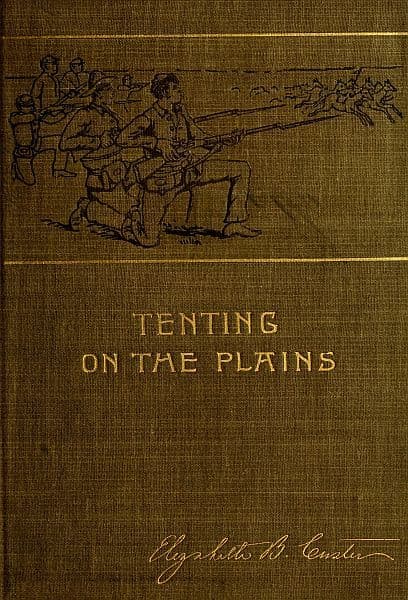
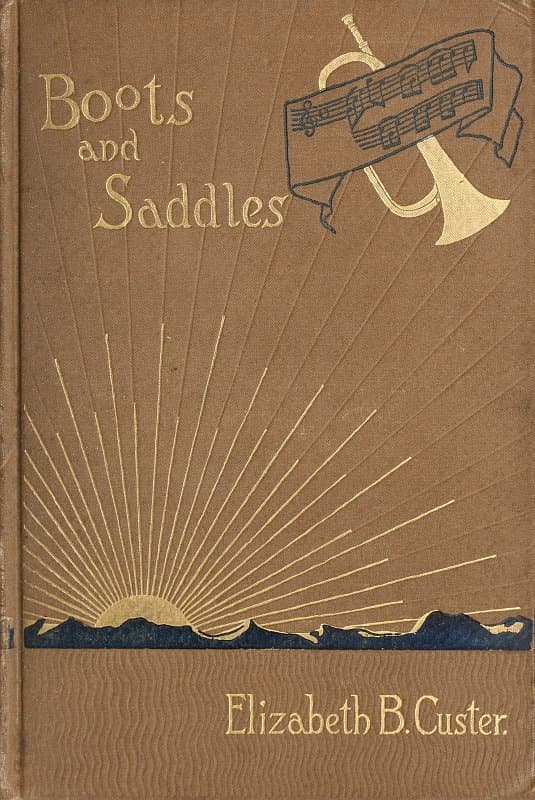


Link to this page
Add a free, dofollow link to Lex on your blog, forum, syllabus, or reading list.

<a href="https://lex-books.com/author/elizabeth-bacon-custer"><img src="https://lex-books.com/badges/read-on-lex.svg" alt="Elizabeth Bacon Custer on Lex" width="160" height="40"></a>[](https://lex-books.com/author/elizabeth-bacon-custer)[url=https://lex-books.com/author/elizabeth-bacon-custer][img]https://lex-books.com/badges/read-on-lex.svg[/img][/url]Elizabeth Bacon Custer on Lex: https://lex-books.com/author/elizabeth-bacon-custer