
Edward Maitland
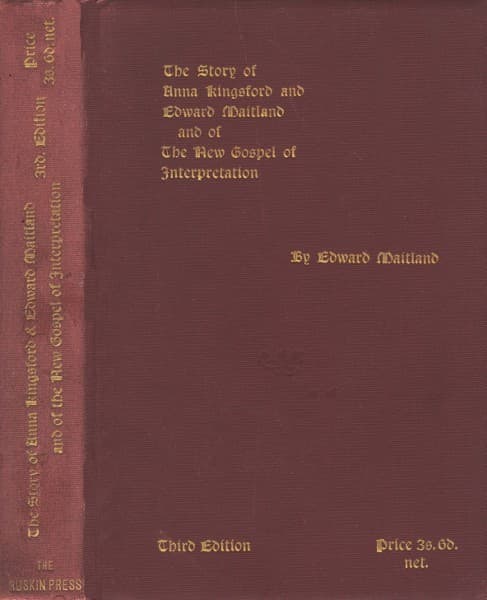
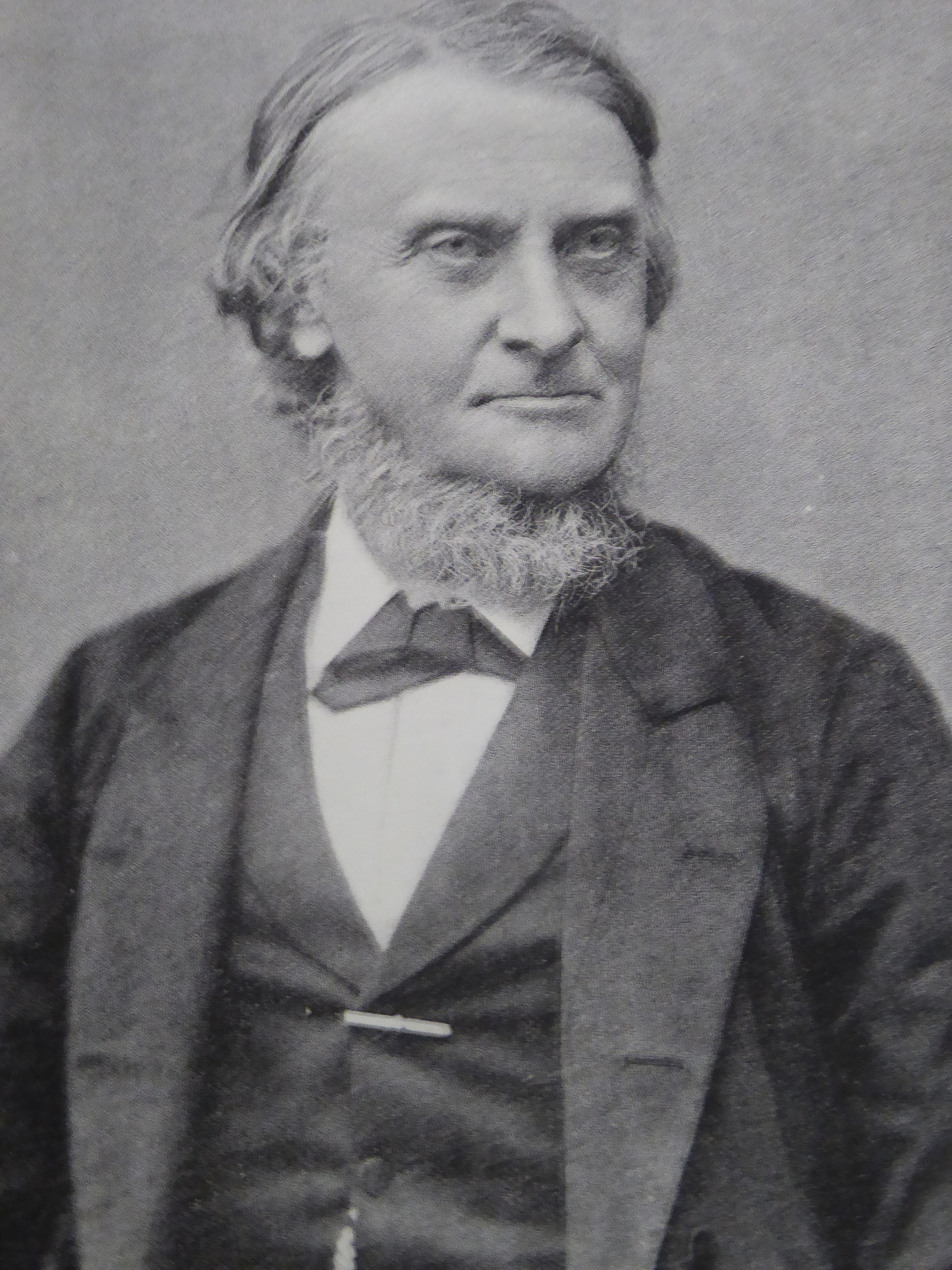
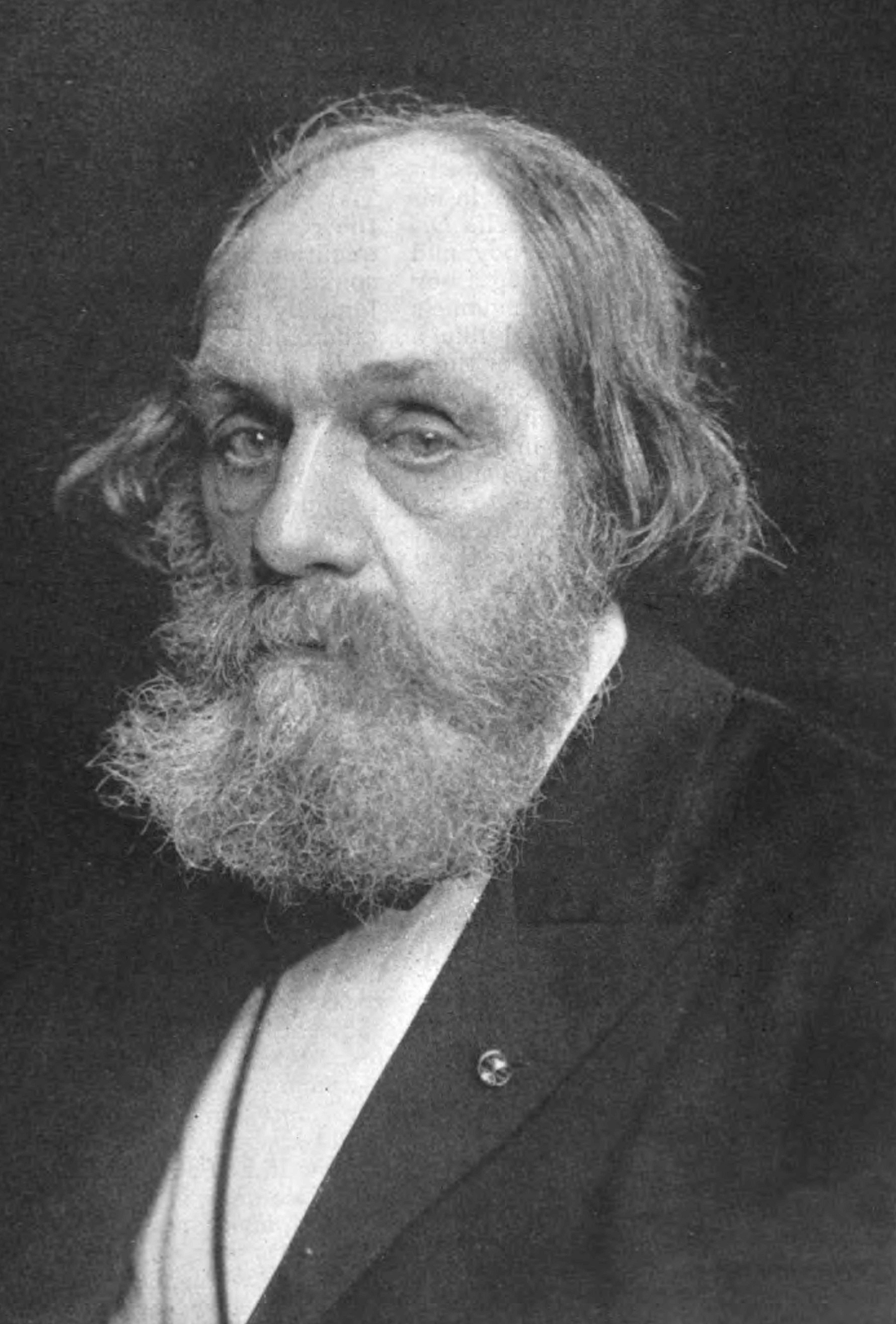
Edward Maitland was a British writer and theologian, best known for his contributions to spiritual literature and his role in the development of the Theosophical movement in the late 19th century. Born in 1824, Maitland's early life was marked by a deep interest in religious and philosophical questions, which would shape his later works. He gained prominence for his writings that sought to reconcile science and spirituality, particularly through the lens of Christian mysticism. His notable works include "The Life of the Spirit" and "The Path of the Higher Life," which reflect his belief in the transformative power of spiritual understanding and personal growth. Maitland's literary significance lies in his ability to articulate complex spiritual ideas in an accessible manner, making him a key figure in the spiritualist and Theosophical movements of his time. His writings not only influenced contemporary thought but also laid the groundwork for future explorations of spirituality and consciousness. By advocating for a synthesis of science and religion, Maitland contributed to a broader dialogue about the nature of existence and the human experience. His legacy endures in the continued interest in spiritual literature and the ongoing quest for understanding the interplay between the material and spiritual realms.
Famous Quotes
View all 1 quotes“A witch cannot die until her familiars or imps are dead. If a witch desires to put an end to her suffering she must call each familiar by name and order it to die. Then, when the last is dead, she too will die. Greetwell Edward””
Books from the author


Link to this page
Add a free, dofollow link to Lex on your blog, forum, syllabus, or reading list.

<a href="https://lex-books.com/author/edward-maitland"><img src="https://lex-books.com/badges/read-on-lex.svg" alt="Edward Maitland on Lex" width="160" height="40"></a>[](https://lex-books.com/author/edward-maitland)[url=https://lex-books.com/author/edward-maitland][img]https://lex-books.com/badges/read-on-lex.svg[/img][/url]Edward Maitland on Lex: https://lex-books.com/author/edward-maitland