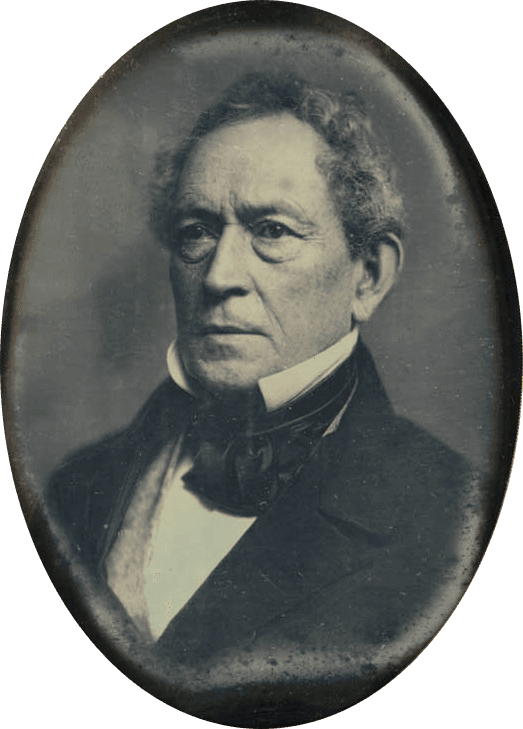
Edward Everett
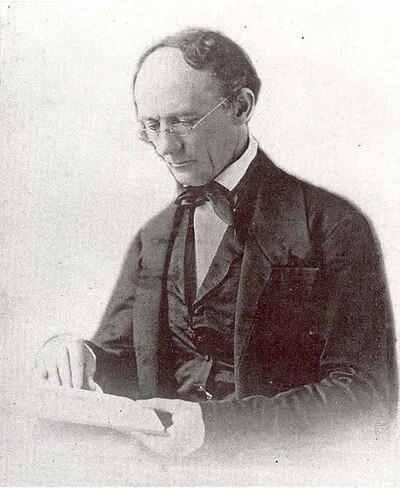
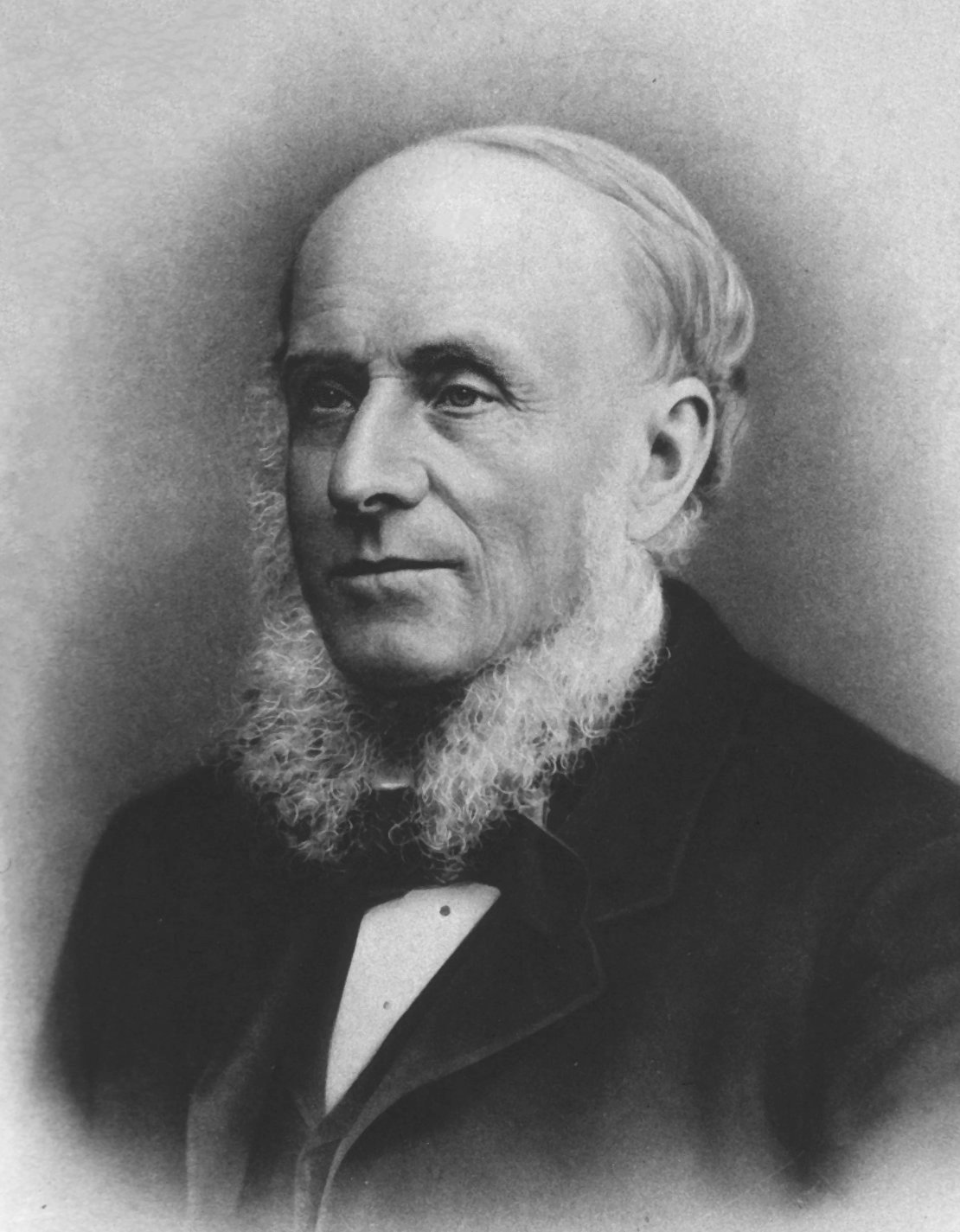
Edward Everett was a prominent American politician, educator, and orator from Massachusetts, known for his significant contributions to public life in the 19th century. He began his career as a Unitarian minister before transitioning to academia, where he taught ancient Greek literature at Harvard University. His educational pursuits included extensive studies in Europe, which enriched his oratory skills and broadened his intellectual horizons. Everett's eloquence made him one of the foremost speakers of his time, culminating in his role as the featured orator at the dedication of the Gettysburg National Cemetery in 1863, where he delivered a two-hour address just before President Abraham Lincoln's brief but historic Gettysburg Address. In addition to his oratory, Everett had a distinguished political career as a member of the Whig Party, serving as a U.S. Representative, U.S. Senator, and the 15th Governor of Massachusetts. As governor, he established the state Board of Education, the first of its kind in the nation, reflecting his commitment to educational reform. His diplomatic service included roles as the U.S. Minister to Great Britain and Secretary of State. Everett's legacy lies in his ability to blend politics, education, and oratory, making him a key figure in shaping American public discourse during a tumultuous period in the nation's history.
Famous Quotes
View all 13 quotes“I am only one, but I am one. I cannot do everything, but I can do something. And because I cannot do everything, I will not refuse to do the something that I can do.””
“I am only one, but still I am one. I cannot do everything, but still I can do something; and because I cannot do everything, I will not refuse to do something that I can do.””
“I am only one, but I am one. I cannot do everything, but I can do something. And I will not let what I cannot do interfere with what I can do.””
Books from the author

Link to this page
Add a free, dofollow link to Lex on your blog, forum, syllabus, or reading list.

<a href="https://lex-books.com/author/edward-everett"><img src="https://lex-books.com/badges/read-on-lex.svg" alt="Edward Everett on Lex" width="160" height="40"></a>[](https://lex-books.com/author/edward-everett)[url=https://lex-books.com/author/edward-everett][img]https://lex-books.com/badges/read-on-lex.svg[/img][/url]Edward Everett on Lex: https://lex-books.com/author/edward-everett