Edmund Morris
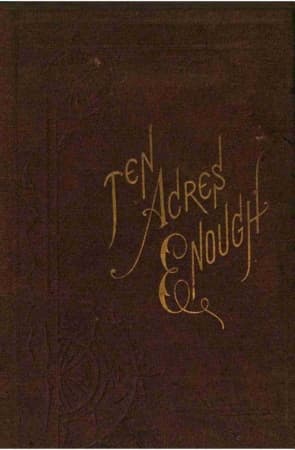
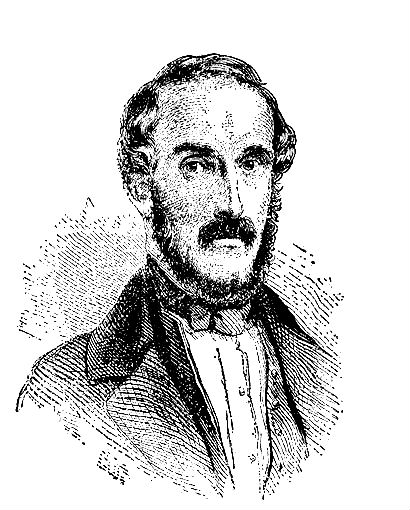
Edmund Morris was an American author and farmer, best known for his influential work 'Ten Acres Enough: A Practical Experience, Showing How a Very Small Farm May Be Made to Keep a Very Large Family.' Published in 1864, this book offered practical advice and insights into small-scale farming, advocating for the feasibility of sustaining a family on a modest plot of land. Morris's experiences as a farmer in New Jersey provided the foundation for his writing, which combined personal narrative with practical guidance, appealing to both aspiring farmers and those interested in the agrarian lifestyle. Morris's work is significant not only for its practical advice but also for its reflection of the 19th-century American agrarian movement, which emphasized self-sufficiency and the virtues of rural life. His emphasis on the potential of small farms resonated with a growing audience during a time of rapid industrialization and urbanization in America. By showcasing how a small farm could support a large family, Morris contributed to the discourse on sustainable living and the importance of agriculture in American life. His legacy endures as a pioneering voice in the literature of farming and self-sufficiency.
Famous Quotes
View all 3 quotes“In the tired hand of a dying man, Theodore Senior had written: "The 'Machine politicians' have shown their colors... I feel sorry for the country however as it shows the power of partisan politicians who think of nothing higher than their own interests, and I feel for your future. We cannot stand so corrupt a government for any great length of time.”
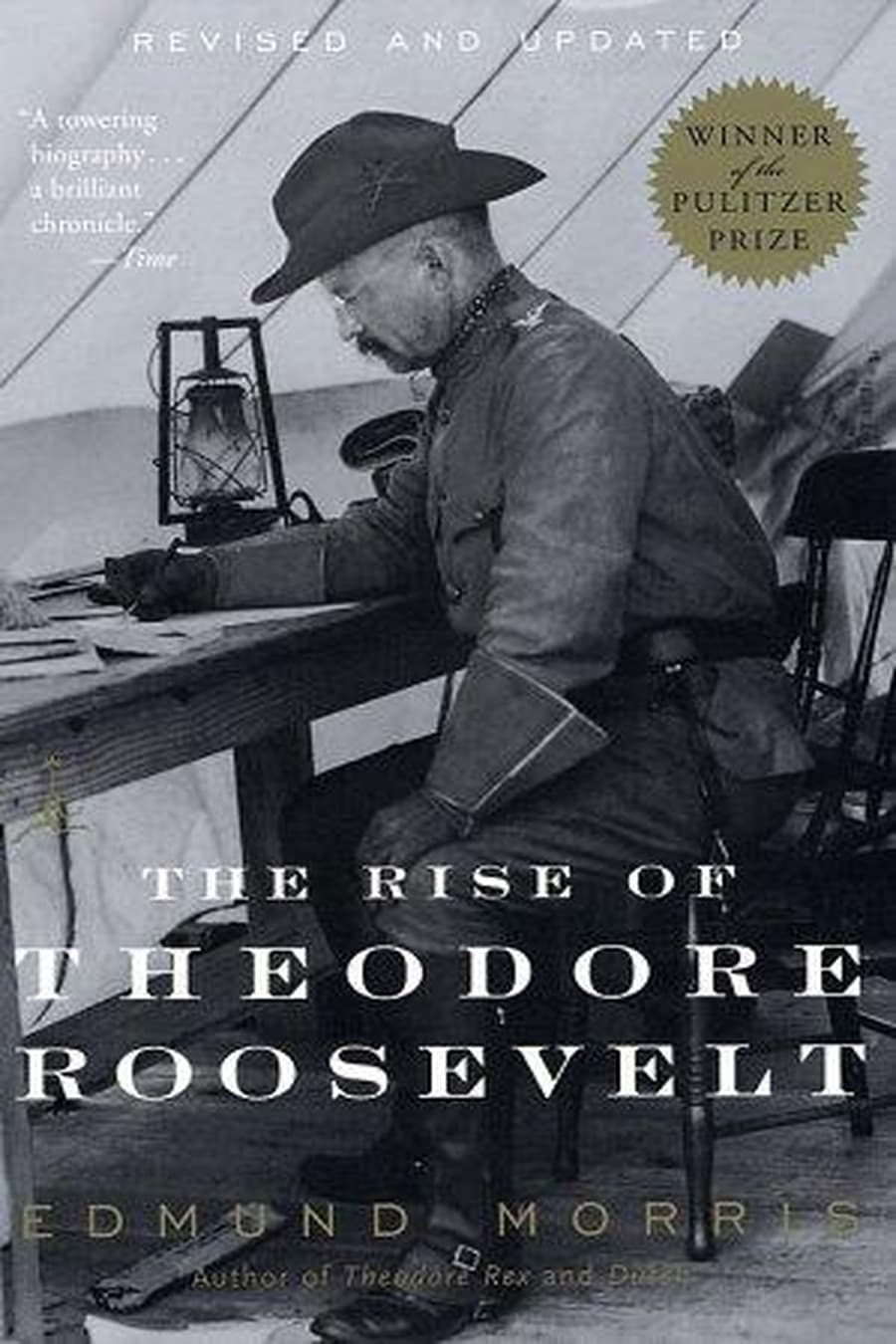
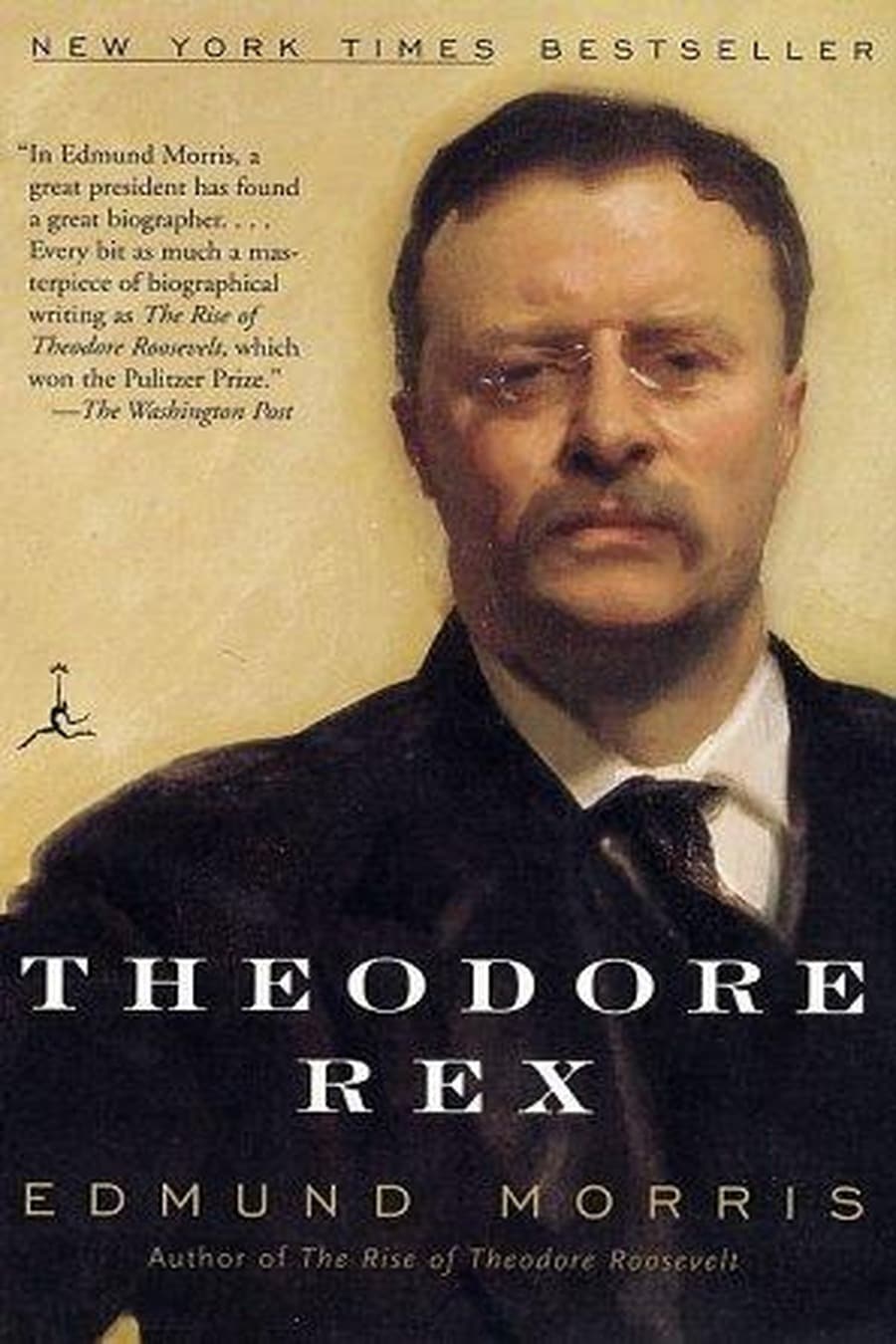
“Yet there was no doubt that Theodore Roosevelt was peculiarly qualified to be President of all the people. Few, if any Americans could match the breadth of his intellect and the strength of his character. A random survey of his achievements might show him mastering German, French, and the contrasted dialects of Harvard and Dakota Territory; assembling fossil skeletons with paleontological skill; fighting for an amateur boxing championship; transcribing birdsong into a private system of phonetics; chasing boat thieves with a star on his breast and Tolstoy in his pocket; founding a finance club, a stockmen's association, and a hunting-conservation society; reading some twenty thousand books and writing fifteen of his own; climbing the Matterhorn; promulgating a flying machine; and becoming a world authority on North American game mammals. If the sum of all these facets of experience added up to more than a geometric whole - implying excess construction somewhere, planes piling upon planes - then only he, presumably, could view the polygon entire.”
“It is not often that a man can make opportunities for himself. But he can put himself in such shape that when or if the opportunities come he is ready to take advantage of them.”
Books from the author



Link to this page
Add a free, dofollow link to Lex on your blog, forum, syllabus, or reading list.

<a href="https://lex-books.com/author/edmund-morris"><img src="https://lex-books.com/badges/read-on-lex.svg" alt="Edmund Morris on Lex" width="160" height="40"></a>[](https://lex-books.com/author/edmund-morris)[url=https://lex-books.com/author/edmund-morris][img]https://lex-books.com/badges/read-on-lex.svg[/img][/url]Edmund Morris on Lex: https://lex-books.com/author/edmund-morris