James Richardson
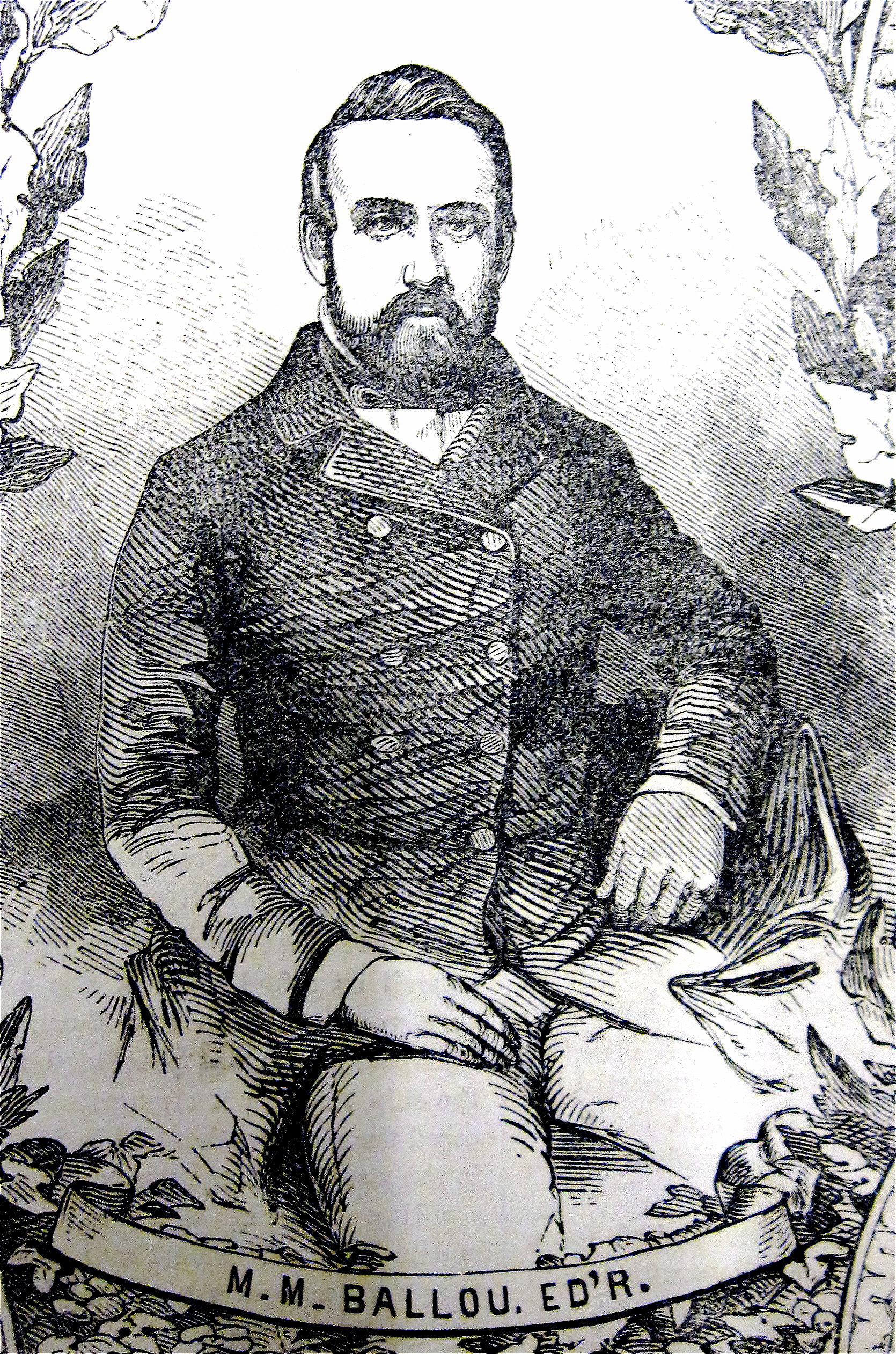
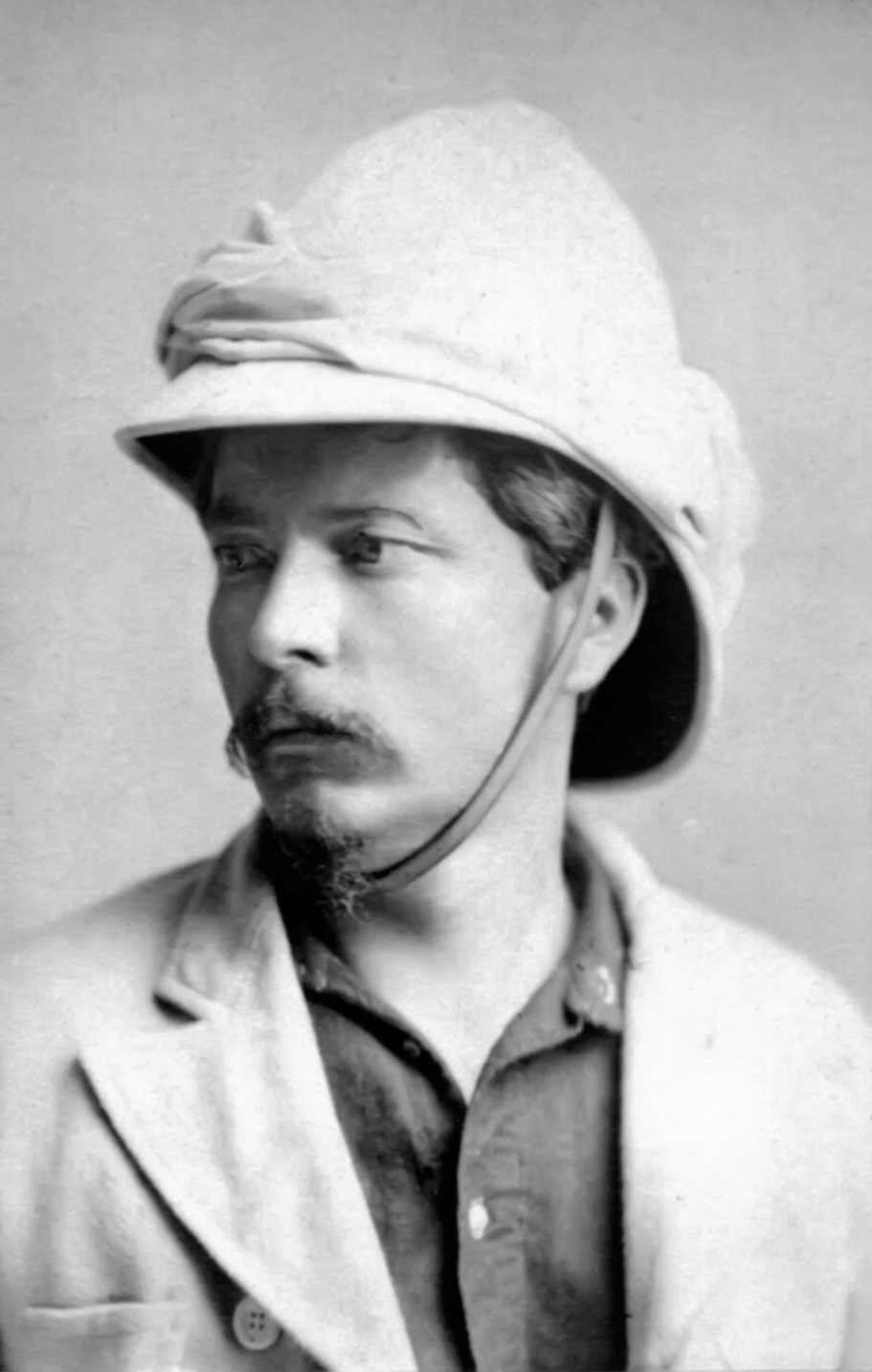
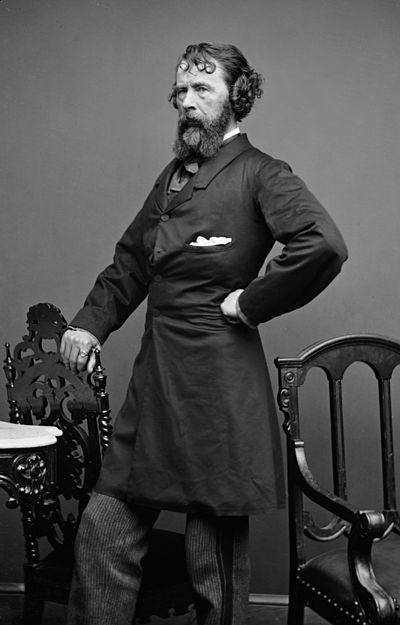
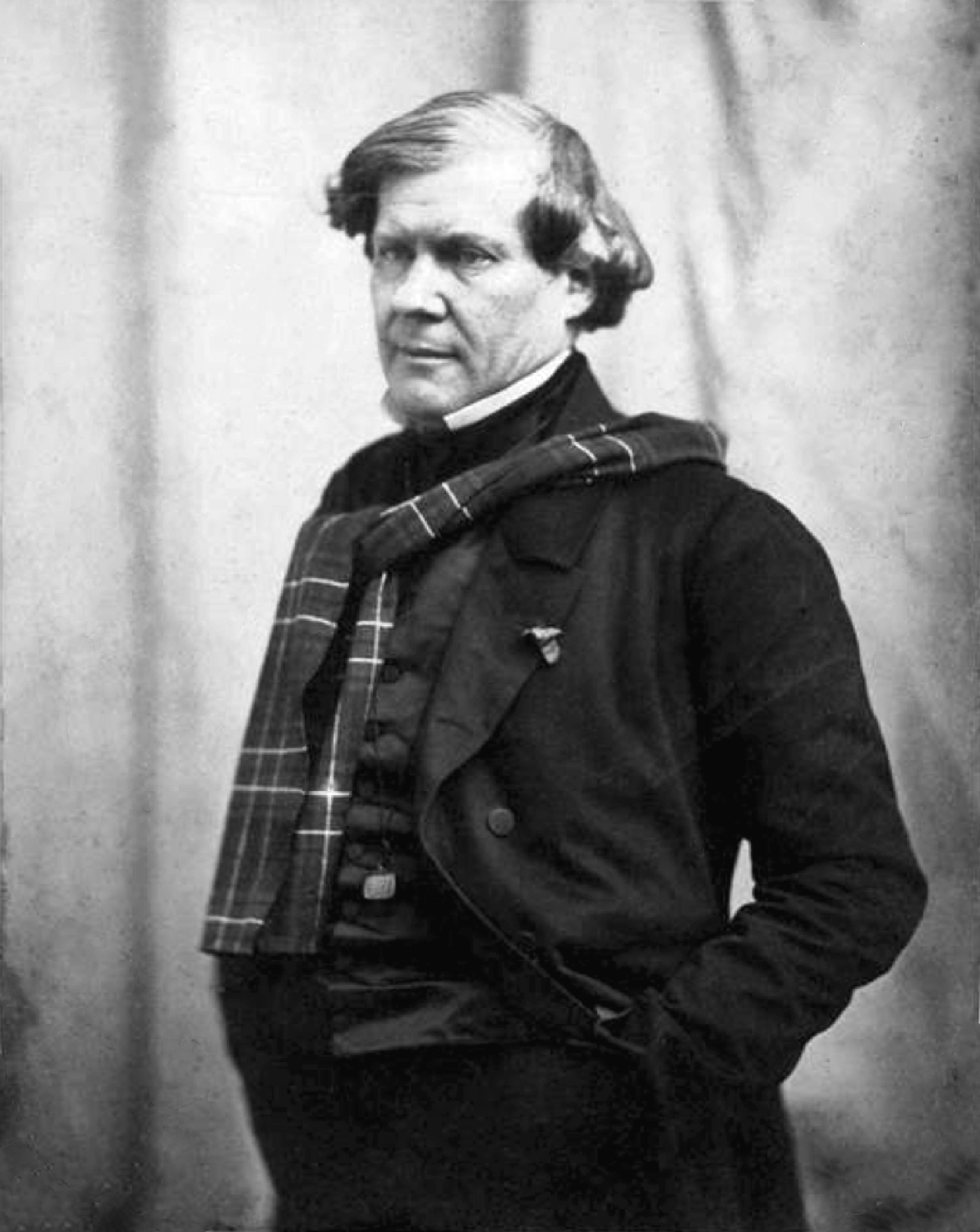
James Richardson was an English architect, artist, and writer known for his contributions to the fields of architecture and literature during the early 19th century. He gained recognition for his innovative designs and artistic vision, which often reflected the aesthetic movements of his time. His architectural works were characterized by a blend of classical and contemporary styles, showcasing his ability to merge functionality with artistic expression. In addition to his architectural endeavors, Richardson was also an accomplished writer, producing several notable works that explored themes of art and society. Richardson's literary contributions included essays and critiques that examined the role of art in culture and its impact on society. His writings were significant in shaping discussions around aesthetics and the importance of architecture in the urban landscape. Although not as widely known today, his work influenced contemporaries and laid groundwork for future discourse in both architecture and art criticism. His legacy is marked by a commitment to integrating artistic principles into practical design, making him a noteworthy figure in the evolution of 19th-century English architecture and literature.
Famous Quotes
View all 3 quotes“On Writing: Aphorisms and Ten-Second Essays 1. A beginning ends what an end begins. 2. The despair of the blank page: it is so full. 3. In the head Art’s not democratic. I wait a long time to be a writer good enough even for myself. 4. The best time is stolen time. 5. All work is the avoidance of harder work. 6. When I am trying to write I turn on music so I can hear what is keeping me from hearing. 7. I envy music for being beyond words. But then, every word is beyond music. 8. Why would we write if we’d already heard what we wanted to hear? 9. The poem in the quarterly is sure to fail within two lines: flaccid, rhythmless, hopelessly dutiful. But I read poets from strange languages with freedom and pleasure because I can believe in all that has been lost in translation. Though all works, all acts, all languages are already translation. 10. Writer: how books read each other. 11. Idolaters of the great need to believe that what they love cannot fail them, adorers of camp, kitsch, trash that they cannot fail what they love. 12. If I didn’t spend so much time writing, I’d know a lot more. But I wouldn’t know anything. 13. If you’re Larkin or Bishop, one book a decade is enough. If you’re not? More than enough. 14. Writing is like washing windows in the sun. With every attempt to perfect clarity you make a new smear. 15. There are silences harder to take back than words. 16. Opacity gives way. Transparency is the mystery. 17. I need a much greater vocabulary to talk to you than to talk to myself. 18. Only half of writing is saying what you mean. The other half is preventing people from reading what they expected you to mean. 19. Believe stupid praise, deserve stupid criticism. 20. Writing a book is like doing a huge jigsaw puzzle, unendurably slow at first, almost self-propelled at the end. Actually, it’s more like doing a puzzle from a box in which several puzzles have been mixed. Starting out, you can’t tell whether a piece belongs to the puzzle at hand, or one you’ve already done, or will do in ten years, or will never do. 21. Minds go from intuition to articulation to self-defense, which is what they die of. 22. The dead are still writing. Every morning, somewhere, is a line, a passage, a whole book you are sure wasn’t there yesterday. 23. To feel an end is to discover that there had been a beginning. A parenthesis closes that we hadn’t realized was open). 24. There, all along, was what you wanted to say. But this is not what you wanted, is it, to have said it?”
“Sophistication is upscale conformity.”
“You have two kinds of secrets. The ones only you know. The ones only you don't.”
Books from the author



Link to this page
Add a free, dofollow link to Lex on your blog, forum, syllabus, or reading list.

<a href="https://lex-books.com/author/james-richardson-2"><img src="https://lex-books.com/badges/read-on-lex.svg" alt="James Richardson on Lex" width="160" height="40"></a>[](https://lex-books.com/author/james-richardson-2)[url=https://lex-books.com/author/james-richardson-2][img]https://lex-books.com/badges/read-on-lex.svg[/img][/url]James Richardson on Lex: https://lex-books.com/author/james-richardson-2