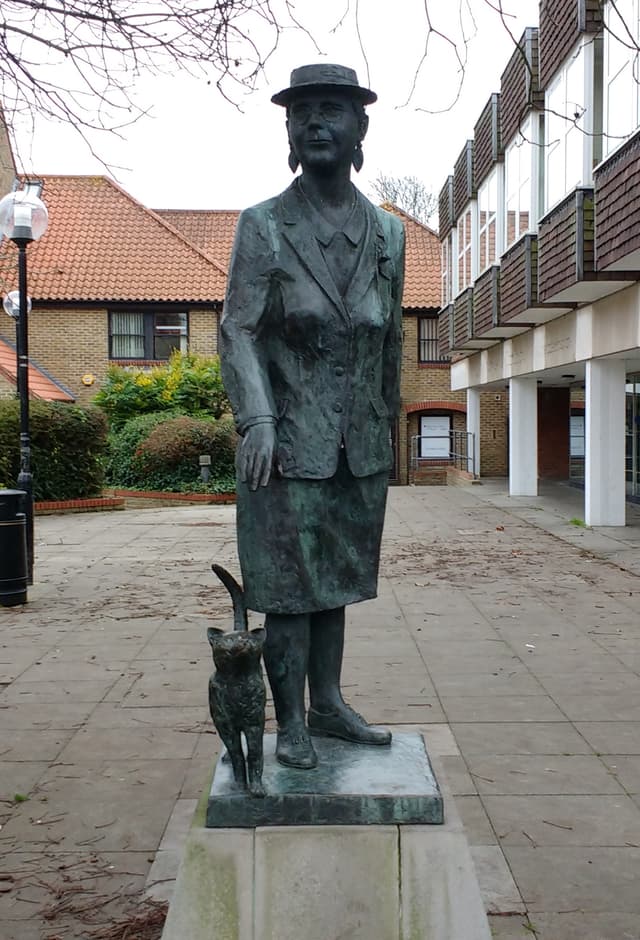
Dorothy L. Sayers
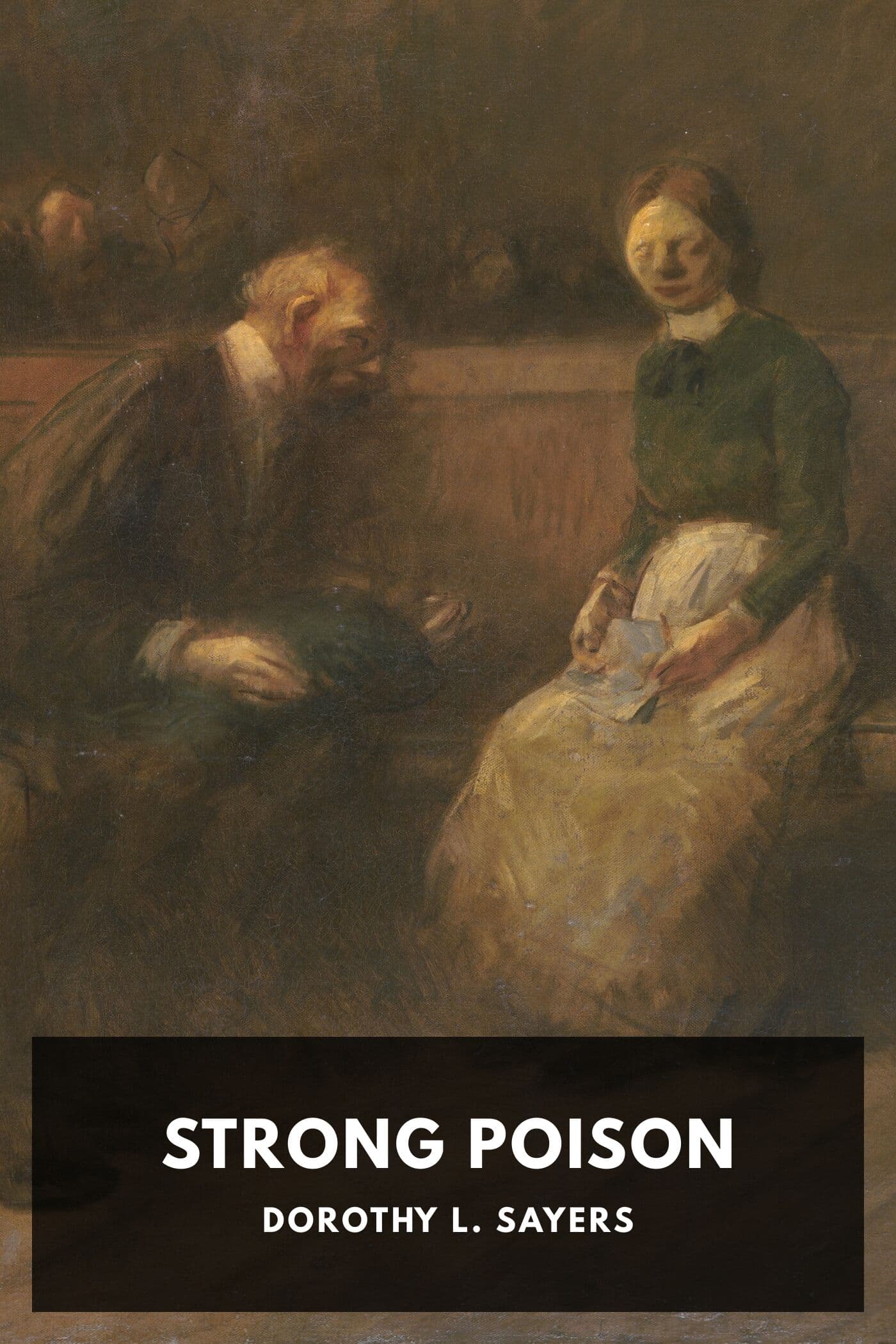
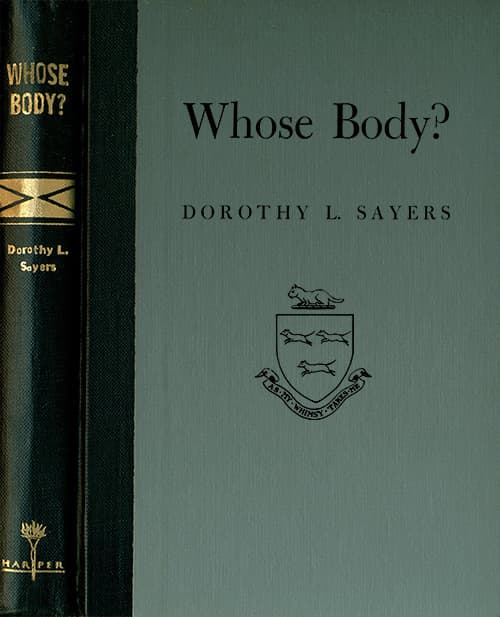
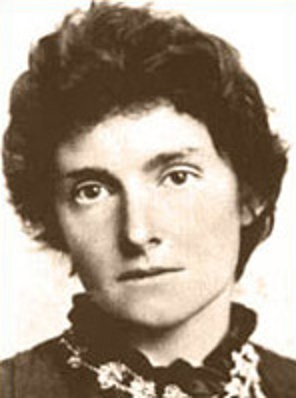
Dorothy L. Sayers was a British author, poet, and playwright, best known for her detective fiction and her influential role in the genre. Born in Oxford, she was educated at Somerville College, where she developed a passion for literature and languages. Sayers gained prominence with her creation of the aristocratic detective Lord Peter Wimsey, who first appeared in 'Whose Body?' in 1923. Her novels, including 'The Nine Tailors' and 'Gaudy Night', are celebrated for their intricate plots, well-drawn characters, and exploration of moral and philosophical themes. In addition to her contributions to detective fiction, Sayers was a pioneering figure in the field of Christian literature and theology. Her work 'The Mind of the Maker' examined the relationship between creativity and divinity, while her translations of Dante's 'Divine Comedy' showcased her literary prowess and deep understanding of the text. Sayers' legacy endures not only through her engaging narratives but also through her impact on the mystery genre, where she was one of the first female writers to achieve significant recognition, paving the way for future generations of women authors in the field.
Famous Quotes
View all 20 quotes“Wherever you find a great man, you will find a great mother or a great wife standing behind him -- or so they used to say. It would be interesting to know how many great women have had great fathers and husbands behind them.””
“Facts are like cows. If you look them in the face long enough, they generally run away.””
“A man once asked me ... how I managed in my books to write such natural conversation between men when they were by themselves. Was I, by any chance, a member of a large, mixed family with a lot of male friends? I replied that, on the contrary, I was an only child and had practically never seen or spoken to any men of my own age till I was about twenty-five. "Well," said the man, "I shouldn't have expected a woman (meaning me) to have been able to make it so convincing." I replied that I had coped with this difficult problem by making my men talk, as far as possible, like ordinary human beings. This aspect of the matter seemed to surprise the other speaker; he said no more, but took it away to chew it over. One of these days it may quite likely occur to him that women, as well as men, when left to themselves, talk very much like human beings also.””
Books from the author



Link to this page
Add a free, dofollow link to Lex on your blog, forum, syllabus, or reading list.

<a href="https://lex-books.com/author/dorothy-l-sayers"><img src="https://lex-books.com/badges/read-on-lex.svg" alt="Dorothy L. Sayers on Lex" width="160" height="40"></a>[](https://lex-books.com/author/dorothy-l-sayers)[url=https://lex-books.com/author/dorothy-l-sayers][img]https://lex-books.com/badges/read-on-lex.svg[/img][/url]Dorothy L. Sayers on Lex: https://lex-books.com/author/dorothy-l-sayers