Lettres À Mademoiselle De Volland
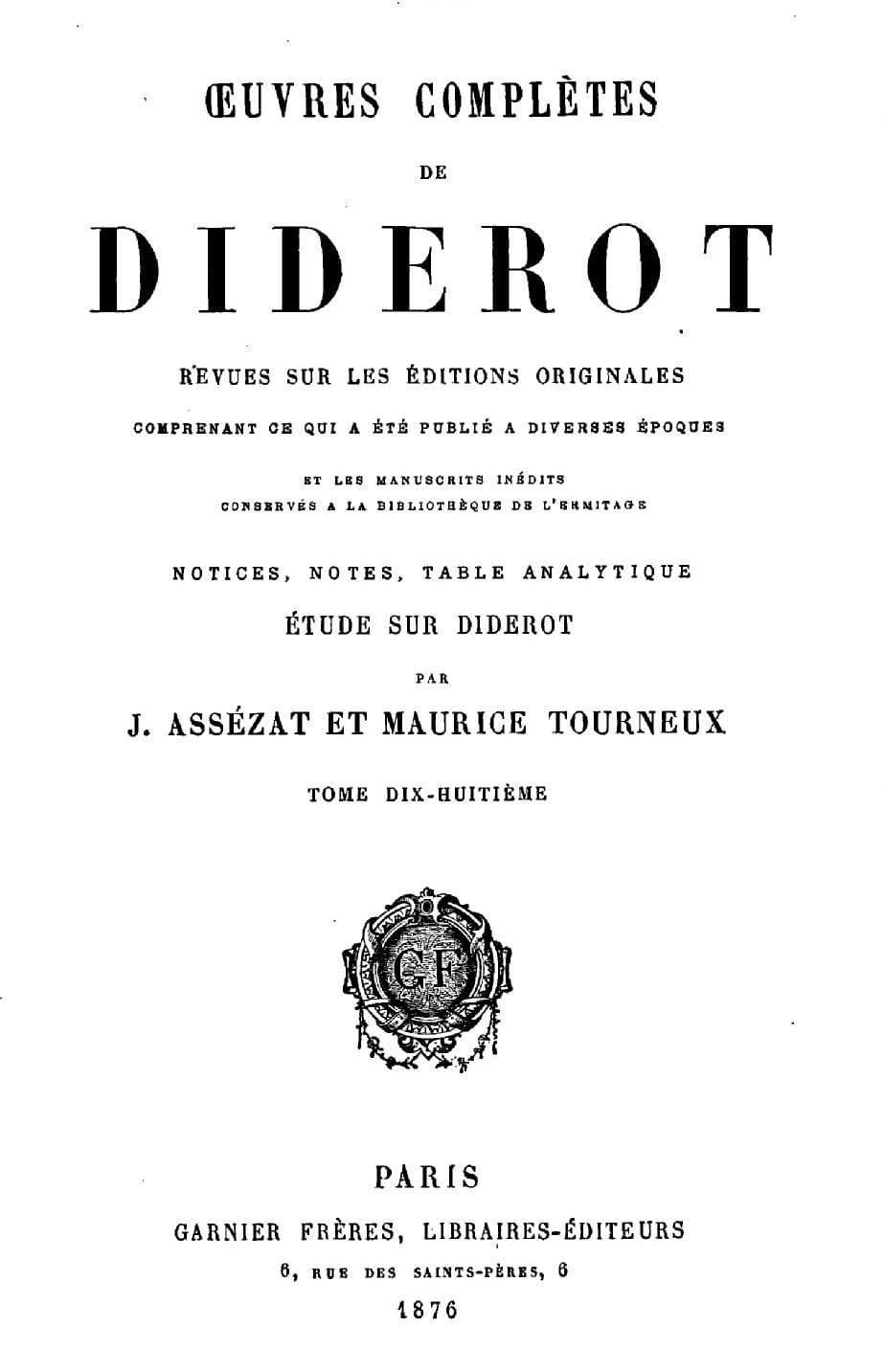
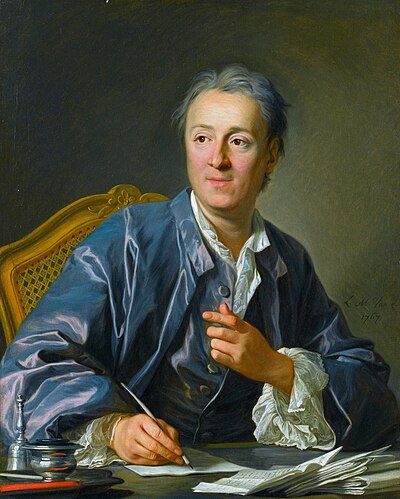
What survives of a love affair is often what was written, not what was lived. Denis Diderot's letters to Sophie Volland span decades of the 18th century, and they constitute something rare: a philosopher's heart laid bare in correspondence. We have Sophie's responses lost to history, so these letters function as what Jacques Chouillet called 'un dialogue à une voix' , a dialogue with only one voice. Yet this single voice is remarkably full. Diderot writes from Marly about art and nature, from Paris about the struggles of intellectual life, from everywhere about his longing for a woman sharp enough to be his ideal reader and independent enough to be her own person. The letters move between passionate affection and philosophical meditation, between tender observations about the seasons and sharp critiques of a society that frowned upon their relationship. Reading them is like eavesdropping on a conversation that continued for years across distances and silences, one that reveals Diderot not as the public philosopher but as a man deeply in love who happened to think for a living. For anyone curious about how the Enlightenment felt from the inside , its doubts, its desires, its daily texture , these letters are an unparalleled window.
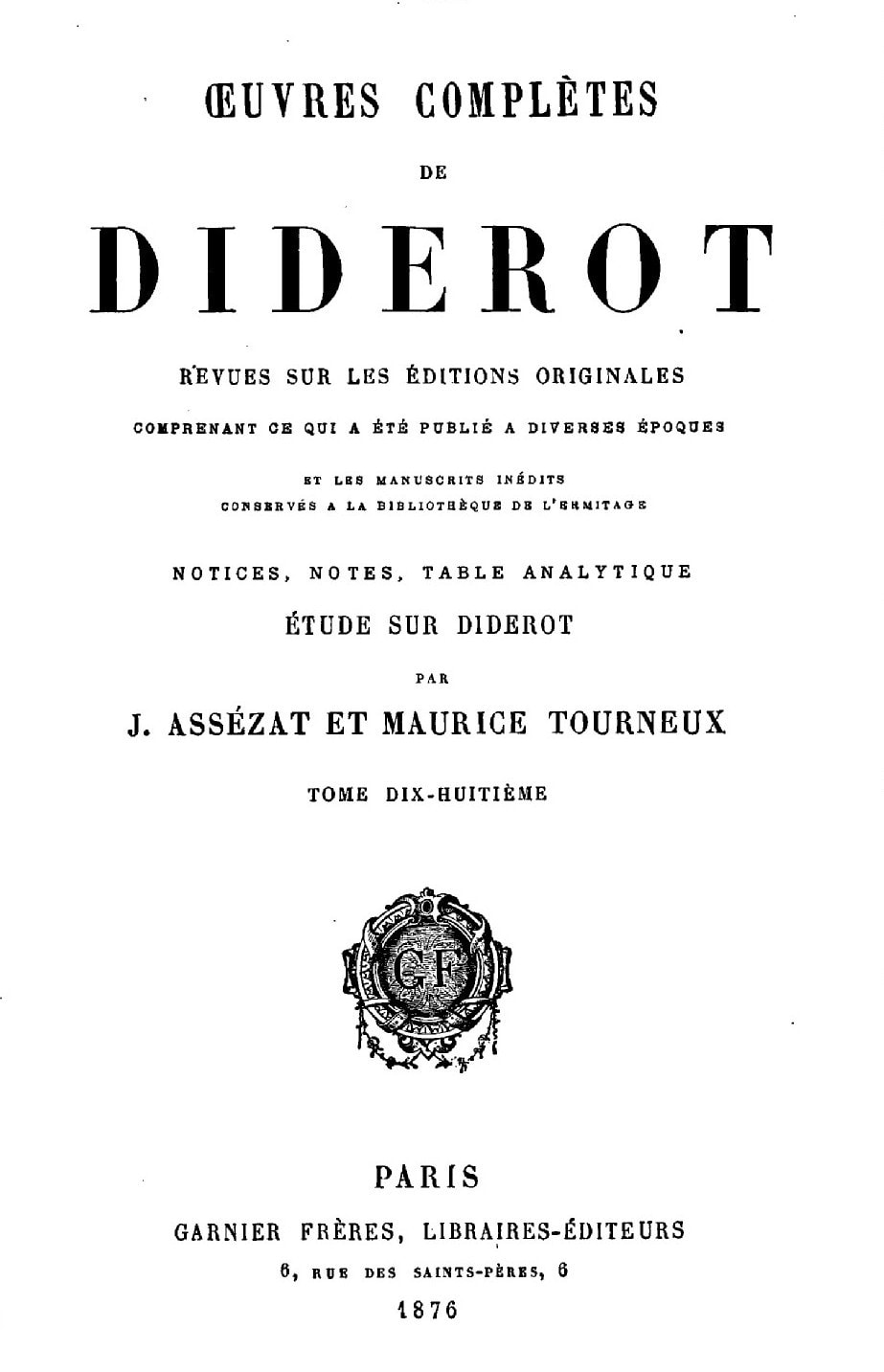
Editions
X-Ray
“This is how I spend my time. A eight o'clock, dark or light, I get up. I have my two cups of tea. Fair weather or foul, I open my window and take the air. Then I shut myself up and read...Those writers who can charm away our boredom, who ravish us from ourselves, whom nature has endowed with a magic wand which no sooner touches us than we forget our troubles and the light enters the dark places of the soul and we are reconciled to living - they are the only true benefactors of humanity.””
— Denis Diderot
“... c'est la magie de la constance, la plus difficile et la plus rare de nos vertus.””
— Denis Diderot
Link to this book
Add a free, dofollow link to Lex on your blog, forum, syllabus, or reading list.

<a href="https://lex-books.com/book/lettres-mademoiselle-de-volland-20e1c8cf-2252-4d2b-a000-2fd614fecd2a"><img src="https://lex-books.com/badges/read-on-lex.svg" alt="Read Lettres À Mademoiselle De Volland by Denis Diderot free on Lex" width="160" height="40"></a>[](https://lex-books.com/book/lettres-mademoiselle-de-volland-20e1c8cf-2252-4d2b-a000-2fd614fecd2a)[url=https://lex-books.com/book/lettres-mademoiselle-de-volland-20e1c8cf-2252-4d2b-a000-2fd614fecd2a][img]https://lex-books.com/badges/read-on-lex.svg[/img][/url]Read Lettres À Mademoiselle De Volland by Denis Diderot free on Lex: https://lex-books.com/book/lettres-mademoiselle-de-volland-20e1c8cf-2252-4d2b-a000-2fd614fecd2aCite this book
Reading this edition for a paper or guide? Copy a citation.
Diderot, Denis. Lettres À Mademoiselle De Volland. Lex, lex-books.com/book/lettres-mademoiselle-de-volland-20e1c8cf-2252-4d2b-a000-2fd614fecd2a.Diderot, D. (n.d.). Lettres À Mademoiselle De Volland. Lex. https://lex-books.com/book/lettres-mademoiselle-de-volland-20e1c8cf-2252-4d2b-a000-2fd614fecd2aDiderot, Denis. Lettres À Mademoiselle De Volland. Lex. https://lex-books.com/book/lettres-mademoiselle-de-volland-20e1c8cf-2252-4d2b-a000-2fd614fecd2a.