
Christian Fürchtegott Gellert
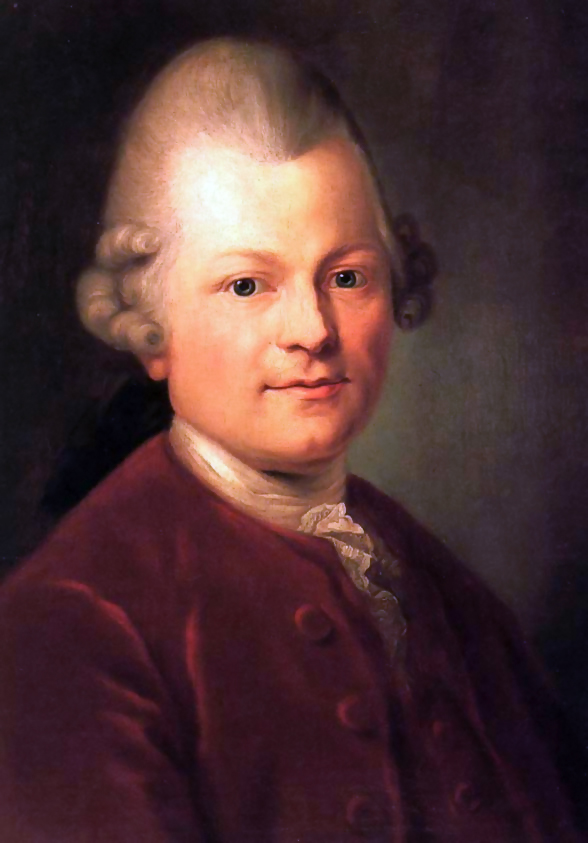
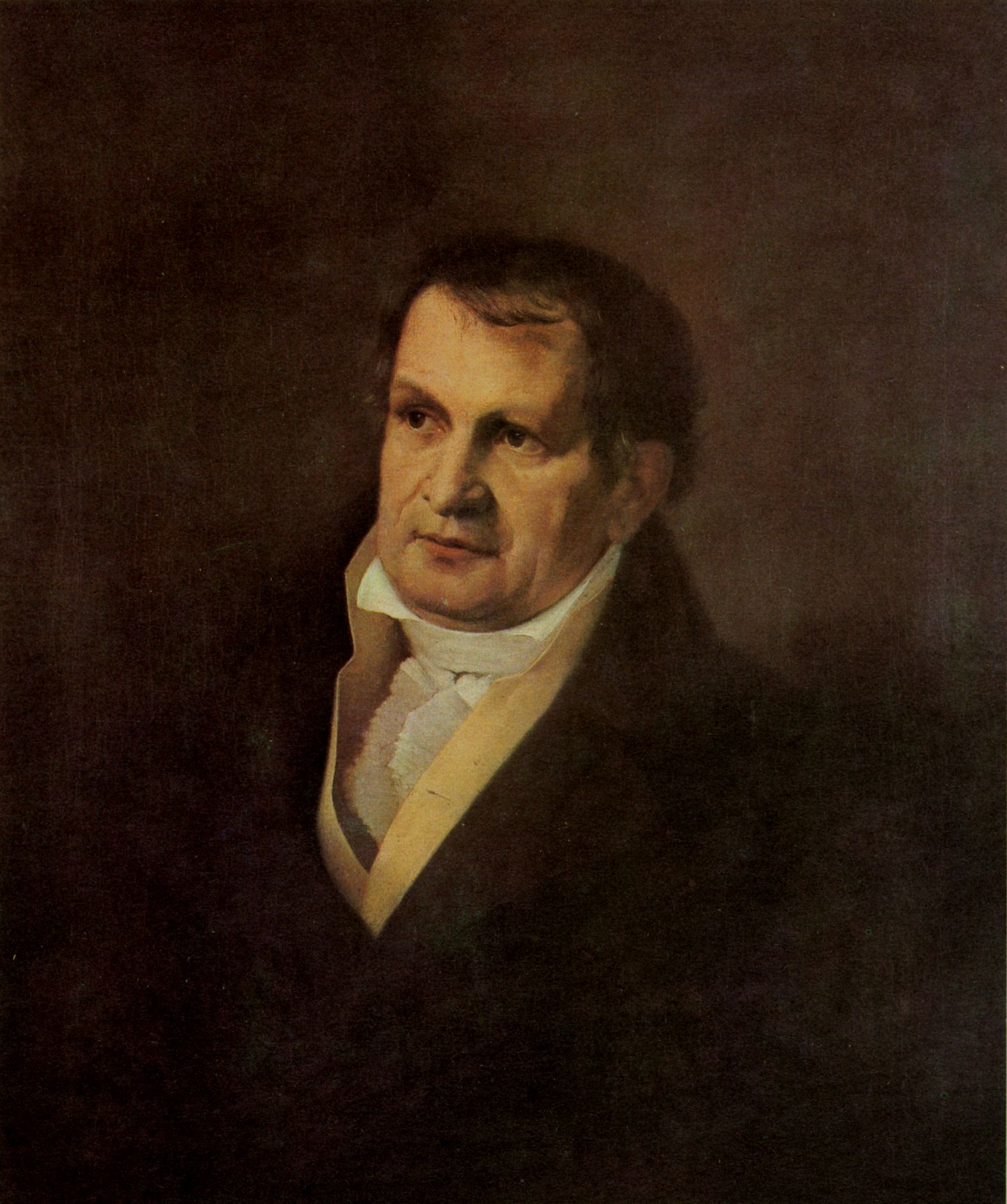
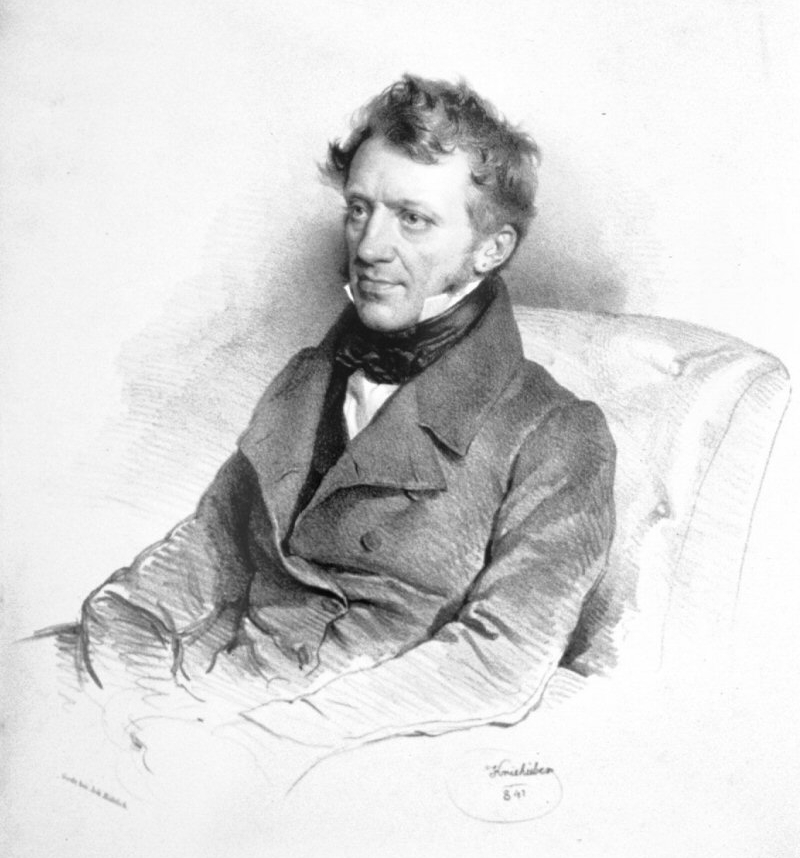
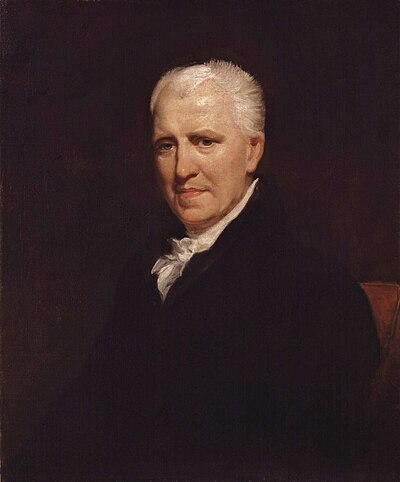
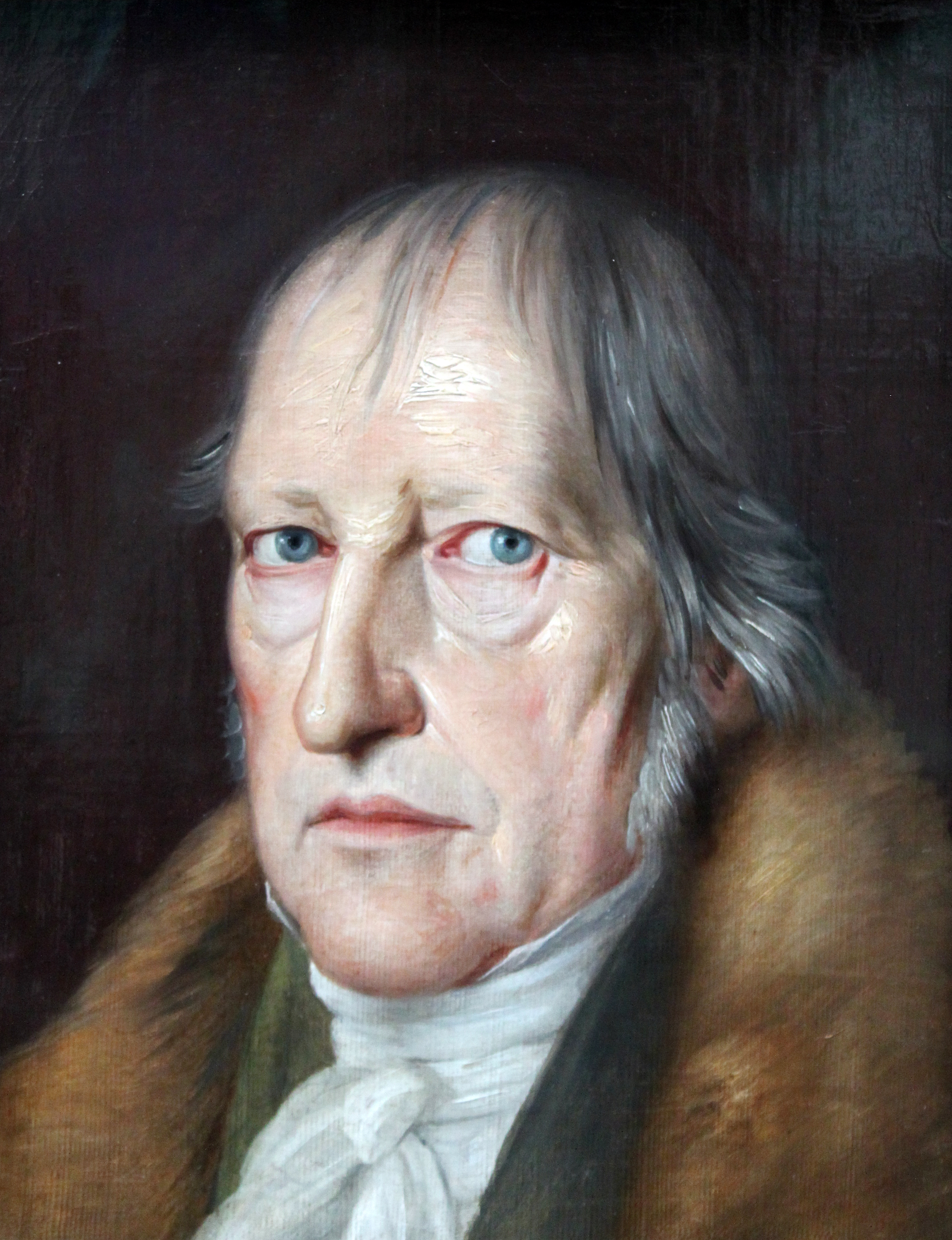
Christian Fürchtegott Gellert was a prominent German poet, playwright, and moral philosopher of the 18th century, known for his contributions to the development of German literature during the Enlightenment. Born in Saxony, Gellert initially pursued a career in theology, but his literary talents soon took precedence. He became a professor at the University of Leipzig, where he influenced a generation of writers and thinkers. His works often blended moral instruction with artistic expression, reflecting the Enlightenment ideals of reason and humanity. Gellert's most notable works include his fables, which are celebrated for their clarity and moral depth, as well as his poetry that often explored themes of love, nature, and virtue. His fables, such as "Der Bär und der Fuchs" and "Der Wolf und die Schafe," not only entertained but also imparted ethical lessons, making them popular among readers of all ages. Additionally, his plays, including "Die Juden" and "Die Sterbende," showcased his ability to weave complex characters and social commentary into engaging narratives. Gellert's legacy endures as a key figure in the transition from Baroque to Enlightenment literature in Germany, and his emphasis on moral values continues to resonate in literary discussions today.
Famous Quotes
View all 2 quotes“Live as you will wish to have lived when you are dying.””
“Der wahre Ruhm ist Ruhm bei Gott // Und nicht bei Menschenkindern!””
Books from the author

Link to this page
Add a free, dofollow link to Lex on your blog, forum, syllabus, or reading list.

<a href="https://lex-books.com/author/christian-fürchtegott-gellert"><img src="https://lex-books.com/badges/read-on-lex.svg" alt="Christian Fürchtegott Gellert on Lex" width="160" height="40"></a>[](https://lex-books.com/author/christian-fürchtegott-gellert)[url=https://lex-books.com/author/christian-fürchtegott-gellert][img]https://lex-books.com/badges/read-on-lex.svg[/img][/url]Christian Fürchtegott Gellert on Lex: https://lex-books.com/author/christian-fürchtegott-gellert