Charles Whiting Baker
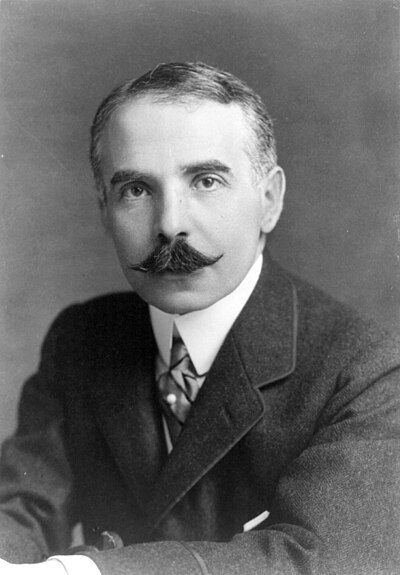
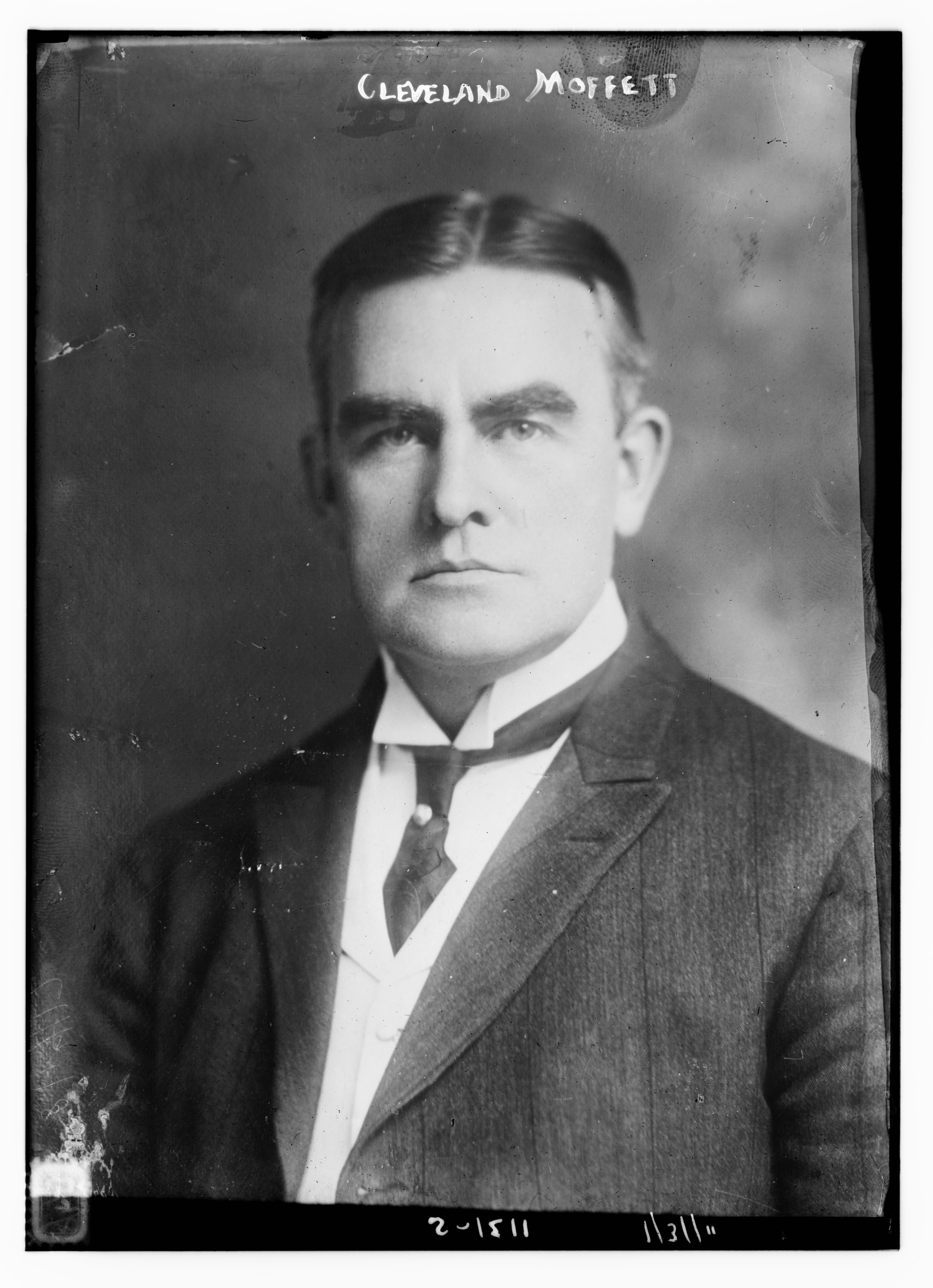
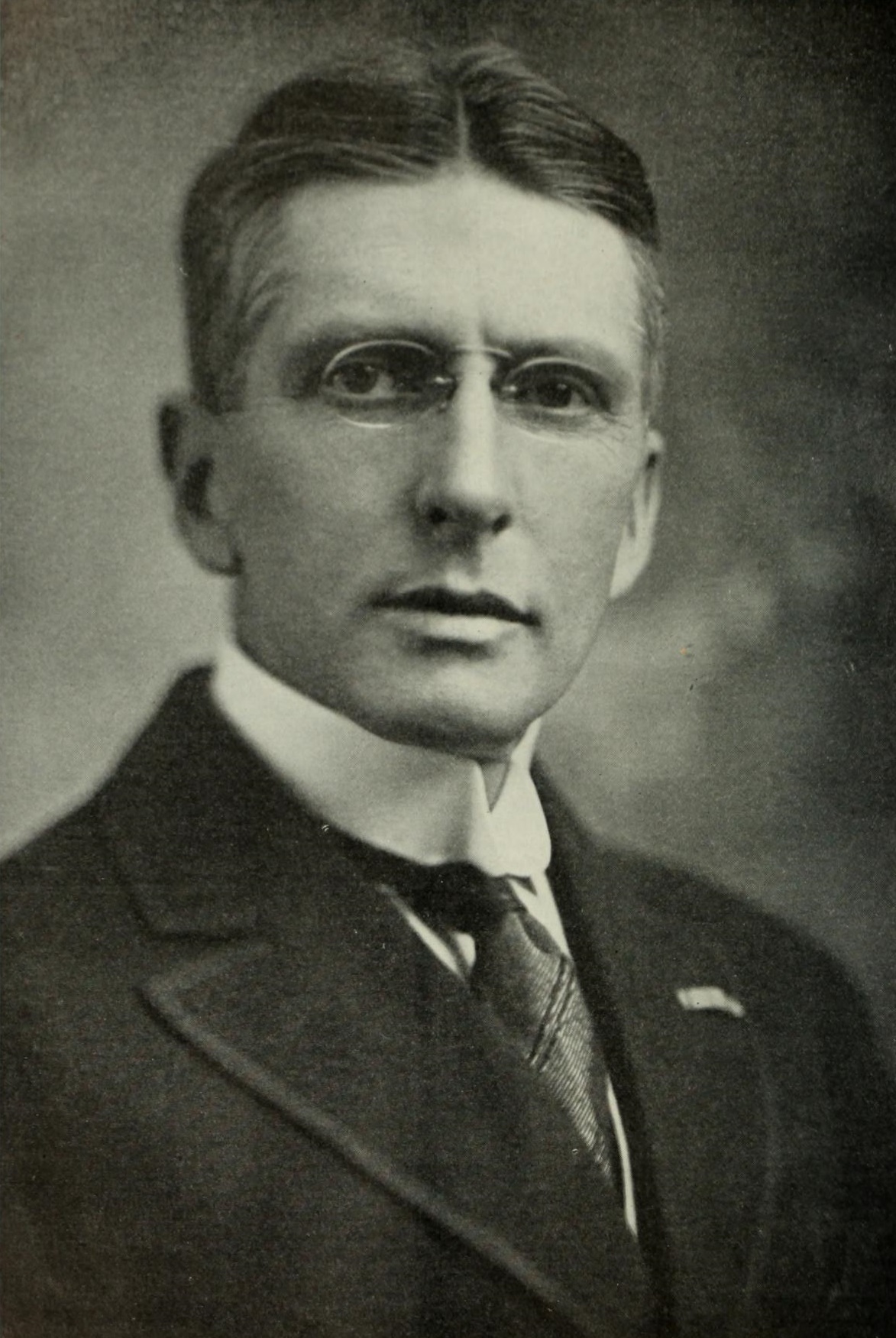
Charles Whiting Baker was an American writer and social reformer known for his incisive critiques of economic monopolies and their impact on society. His most notable work, 'Monopolies and the People,' published in 1924, delved into the dangers posed by corporate monopolies, arguing that they undermined democratic principles and harmed the common citizen. Baker's writing was characterized by a blend of rigorous analysis and passionate advocacy for social justice, reflecting the progressive ideals of his time. In addition to his focus on monopolies, Baker was an active participant in the broader social reform movements of the early 20th century, contributing to discussions on economic equity and the rights of workers. His work resonated with contemporaries who were increasingly aware of the growing power of corporations in American life. Though not as widely known today, Baker's contributions to economic thought and social critique remain significant, highlighting the ongoing relevance of his concerns in contemporary discussions about corporate power and democracy.
Famous Quotes
View all 1 quotes“In addition to Neil Mallon, members included Raigorodsky, MacNaughton, Everette DeGolyer, and Dallas mayor Earle Cabell, brother of Charles Cabell, who was Allen Dulles’s deputy CIA director. Another member was D. Harold Byrd, who owned the building in downtown Dallas that would become known as the Texas School Book Depository.””
Books from the author




Link to this page
Add a free, dofollow link to Lex on your blog, forum, syllabus, or reading list.

<a href="https://lex-books.com/author/charles-whiting-baker"><img src="https://lex-books.com/badges/read-on-lex.svg" alt="Charles Whiting Baker on Lex" width="160" height="40"></a>[](https://lex-books.com/author/charles-whiting-baker)[url=https://lex-books.com/author/charles-whiting-baker][img]https://lex-books.com/badges/read-on-lex.svg[/img][/url]Charles Whiting Baker on Lex: https://lex-books.com/author/charles-whiting-baker