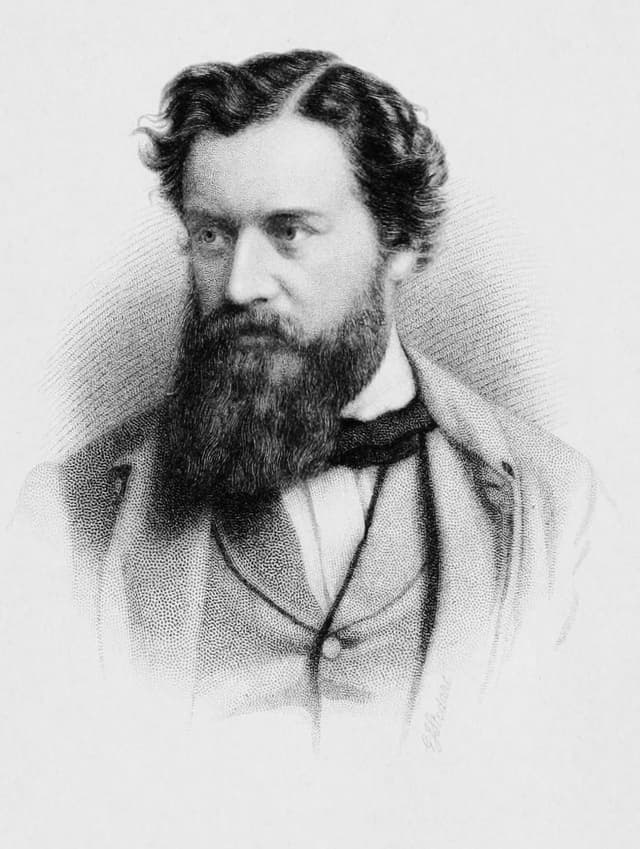
Charles Stuart Calverley
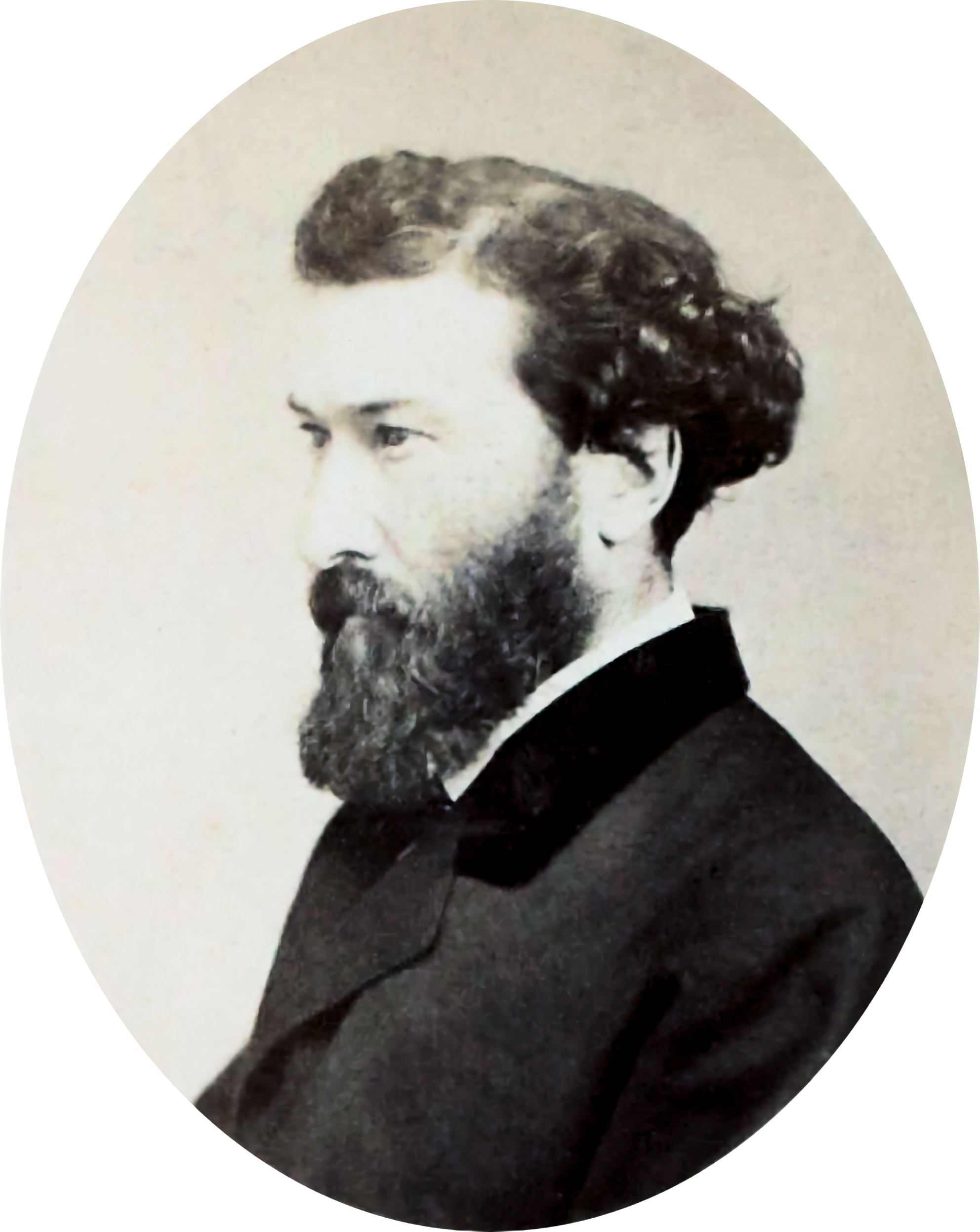
Charles Stuart Calverley was an English poet and humorist known for his sharp wit and innovative approach to poetry. He emerged as a significant figure in the literary landscape of the 19th century, often credited as the literary father of the 'university school of humour.' His work combined classical forms with a playful irreverence, which set the tone for a new style of comedic verse that appealed to educated audiences. Notable works such as 'The Comic Epic in English' and 'Verses and Translations' showcased his ability to blend humor with literary sophistication, making him a precursor to later comic poets like Edward Lear and Lewis Carroll. Calverley's influence extended beyond his own writings; he played a crucial role in shaping the comedic voice of his time, inspiring a generation of writers who sought to infuse humor into their poetry. His legacy is marked by a unique blend of intellect and levity, which continues to resonate in contemporary literary humor. Despite his relatively short life, Calverley's contributions to English literature remain significant, as he paved the way for a more playful and satirical approach to poetry that would flourish in the years to come.
Famous Quotes
View all 2 quotes“Still my soul is in its boyhood; Nor of year or changes recks. Though my scalp is almost hairless, And my figure grows convex.”
“Canst thou love me, lady? I've not learn'd to woo: Thou art on the shady Side of sixty too. Still I love thee dearly! Thou hast lands and pelf: But I love thee merely Merely for thyself.”
Books from the author



Link to this page
Add a free, dofollow link to Lex on your blog, forum, syllabus, or reading list.

<a href="https://lex-books.com/author/charles-stuart-calverley"><img src="https://lex-books.com/badges/read-on-lex.svg" alt="Charles Stuart Calverley on Lex" width="160" height="40"></a>[](https://lex-books.com/author/charles-stuart-calverley)[url=https://lex-books.com/author/charles-stuart-calverley][img]https://lex-books.com/badges/read-on-lex.svg[/img][/url]Charles Stuart Calverley on Lex: https://lex-books.com/author/charles-stuart-calverley