Charles Murray
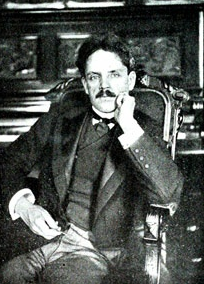
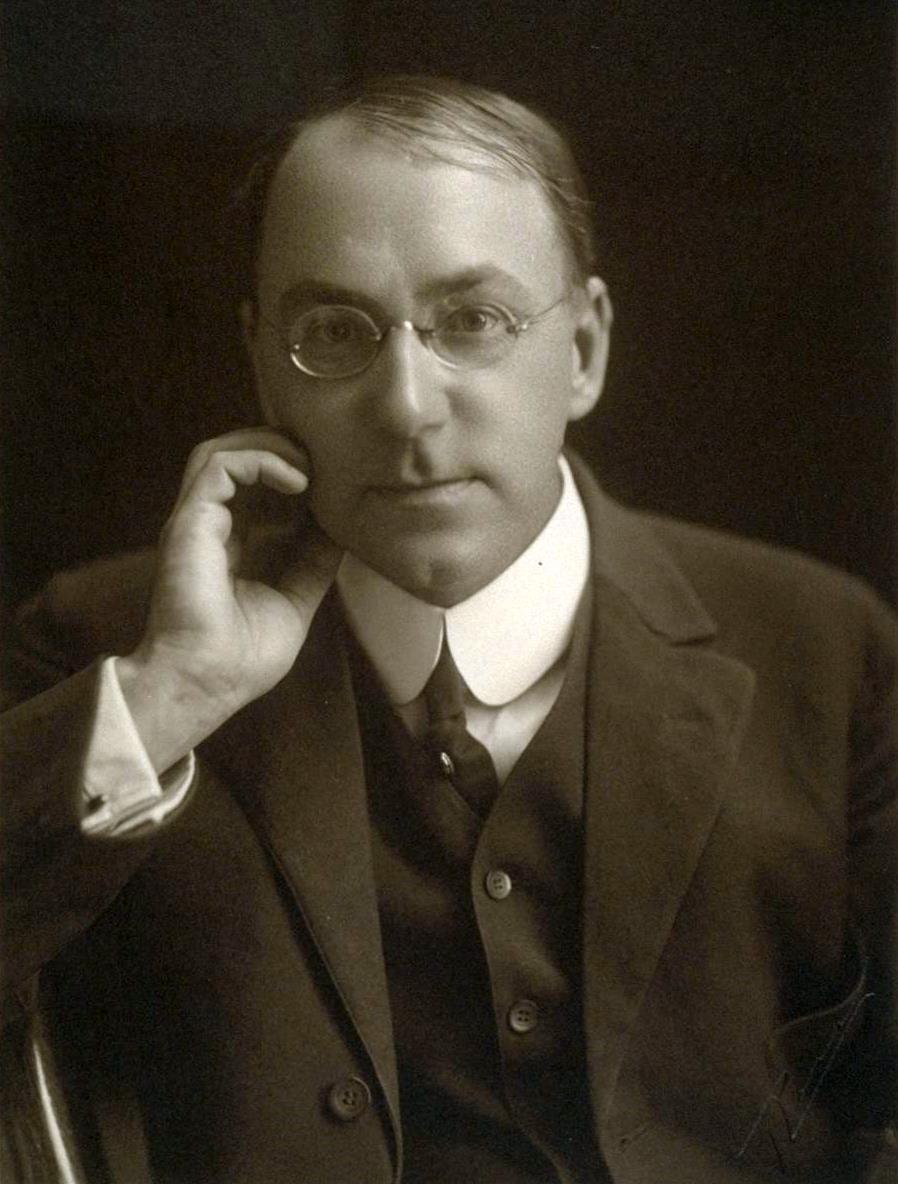
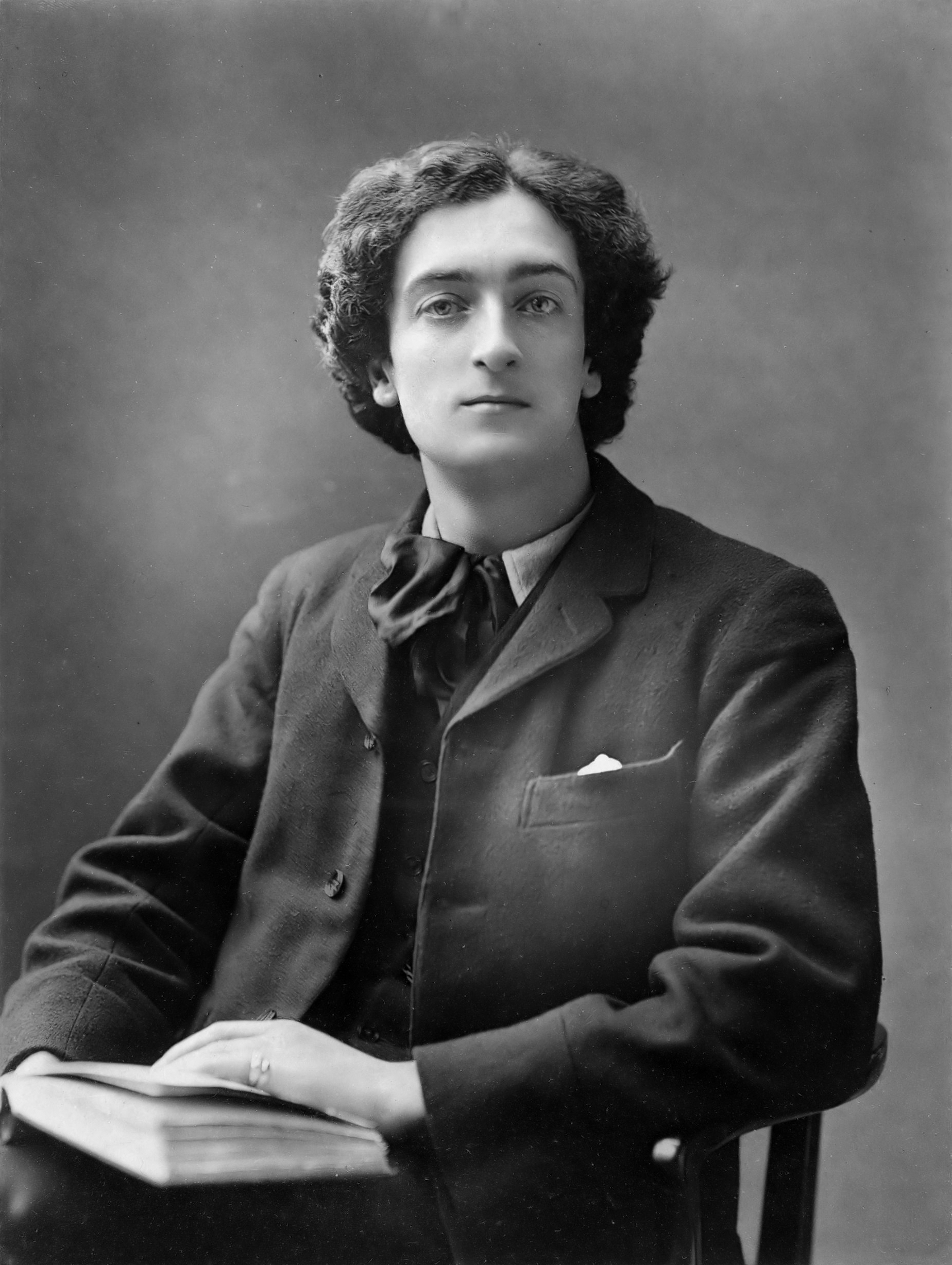
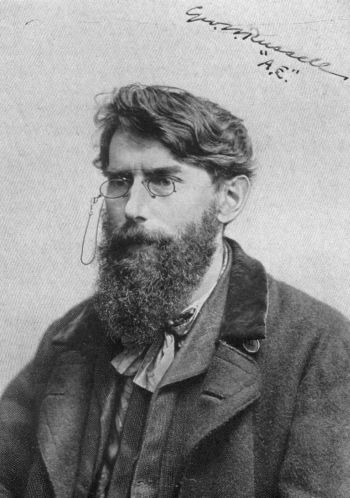
Charles Murray was a Scottish novelist and playwright, recognized for his contributions to literature in the late 19th and early 20th centuries. Born in 1864, he was a prolific writer whose works often explored themes of social change and the complexities of human relationships. His most notable work, 'Hame,' reflects his deep connection to Scottish culture and the struggles of identity and belonging faced by individuals in a rapidly changing society. Murray's writing is characterized by its lyrical prose and keen observations of the human condition, making him a significant figure in Scottish literature. Throughout his career, Murray's works garnered attention for their emotional depth and social commentary. He was part of a literary movement that sought to capture the essence of Scottish life, and his narratives often featured rich, vivid settings that brought the Scottish landscape to life. Although not as widely known today, his contributions to literature have influenced subsequent generations of writers, particularly those interested in regional identity and the interplay of personal and societal challenges. Murray's legacy endures through his exploration of themes that remain relevant in contemporary discourse on culture and identity.
Famous Quotes
View all 3 quotes“People need self-respect, but self-respect must be earned -- it cannot be self-respect if it's not earned -- and the only way to earn anything is to achieve it in the face of the possibility of failing.”
“A man who is holding down a menial job and thereby supporting a wife and children is doing something authentically important with his life. He should take deep satisfaction from that, and be praised by his community for doing so. If that same man lives under a system that says the children of the woman he sleeps with will be taken care of whether or not he contributes, then that status goes away. I am not describing a theoretical outcome, but American neighborhoods where, once working at a menial job to provide for his family made a man proud and gave him status in his community, and where now it doesn't. Taking the trouble out of life strips people in major ways which human beings look back on their lives and say, ‘I made a difference.”
“Considerable social science research has found that constant praise of children can backfire, because it so often consists of telling children how smart they are, not of praising children for the things they actually do. As a result, many children become protective of their image of being smart and are reluctant to take chances that might actually damage that image.”
Books from the author





Link to this page
Add a free, dofollow link to Lex on your blog, forum, syllabus, or reading list.

<a href="https://lex-books.com/author/charles-murray"><img src="https://lex-books.com/badges/read-on-lex.svg" alt="Charles Murray on Lex" width="160" height="40"></a>[](https://lex-books.com/author/charles-murray)[url=https://lex-books.com/author/charles-murray][img]https://lex-books.com/badges/read-on-lex.svg[/img][/url]Charles Murray on Lex: https://lex-books.com/author/charles-murray