Catherine Crowe
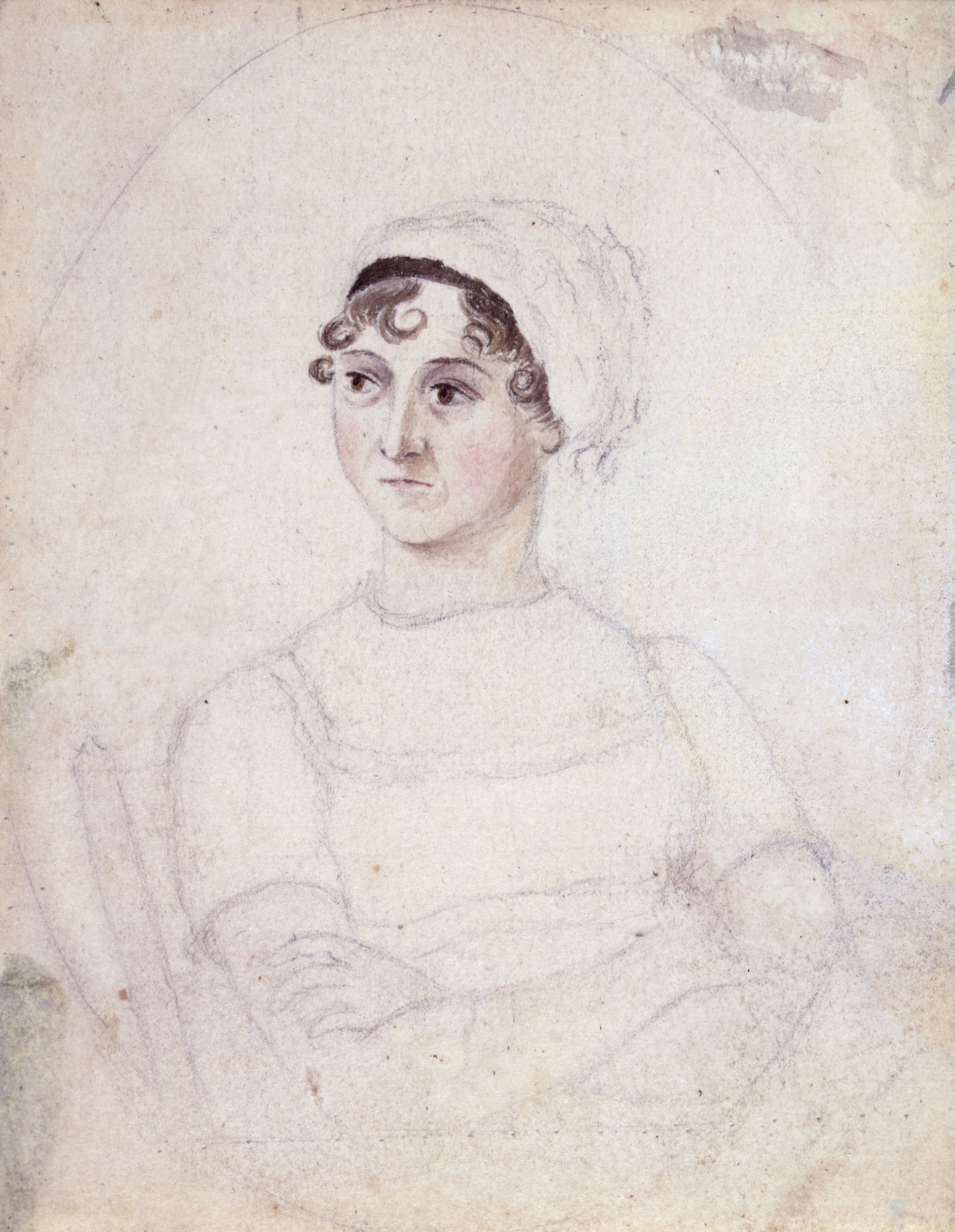
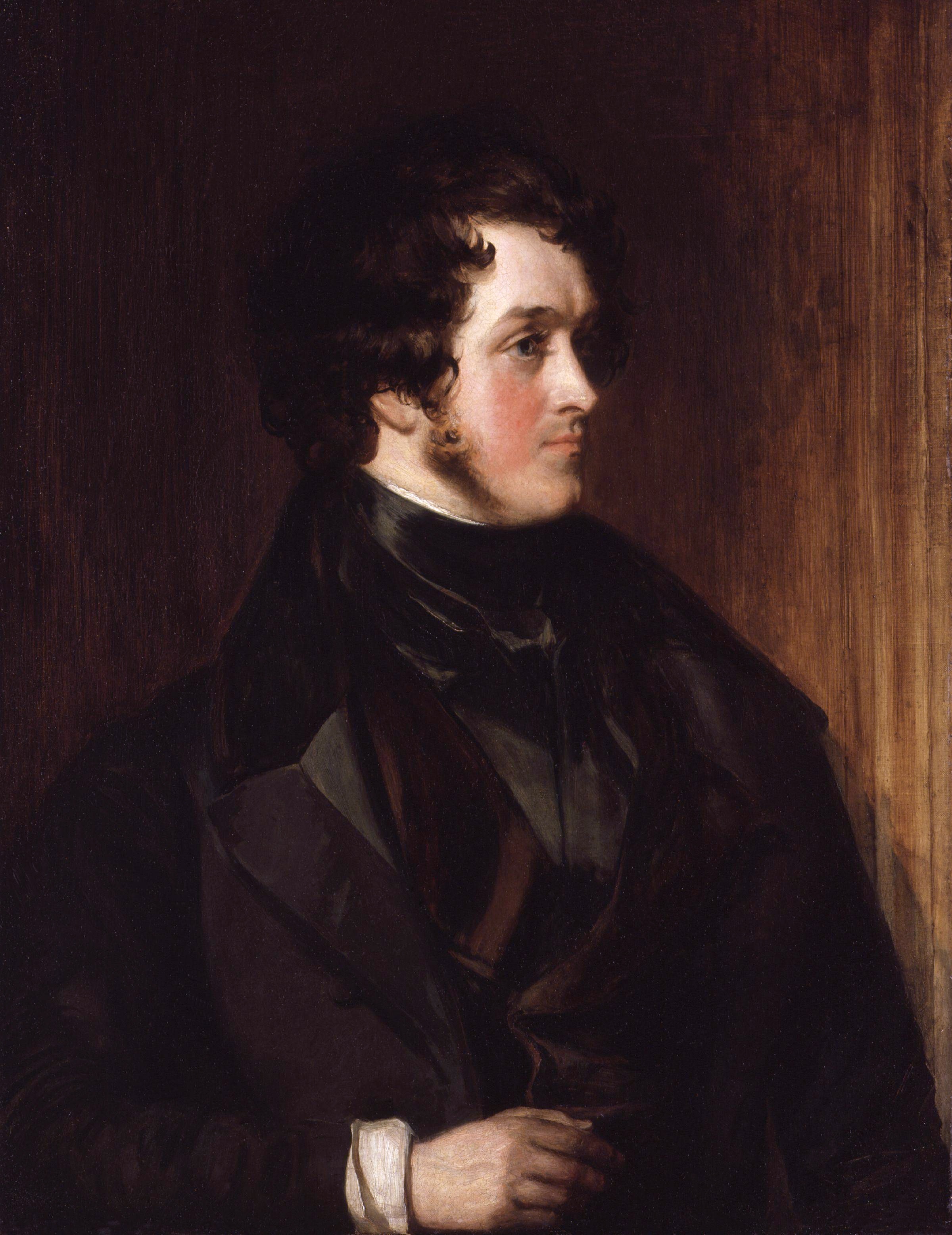
Catherine Ann Crowe was an English novelist and playwright known for her contributions to both social and supernatural literature. Born Catherine Stevens, she began her writing career in the early 19th century, producing works that often explored the complexities of human nature and societal norms. Her notable novels include 'The Night-Side of Nature,' which delved into supernatural themes and was one of the earliest works to popularize ghost stories in the Victorian era. Crowe's ability to blend the eerie with the everyday set her apart from her contemporaries and established her as a significant figure in the genre of supernatural fiction. In addition to her novels, Crowe wrote plays and children's literature, showcasing her versatility as a writer. Her works often reflected the social issues of her time, including the roles of women and the impact of industrialization. Crowe's legacy lies in her pioneering approach to storytelling, particularly in the realm of the supernatural, influencing later writers in the genre. Her unique voice and innovative themes contributed to the evolution of Victorian literature, making her an important figure in the literary landscape of the 19th century.
Famous Quotes
View all 3 quotes“The ignorant frighten children with ghosts, and the better educated assure them there is no such thing. Our understanding may believe the latter, but our instincts believe the former; so that, out of this education, we retain the terror, and just believe enough to make it very troublesome whenever we are placed in circumstances that awaken it.”
“It will seem to many persons very inconsistent with their ideas of the dignity of a spirit that they should appear and act in the manner I have described, and shall describe further; and I have heard it objected that we cannot suppose God would permit the dead to return merely to frighten the living, and that it is showing Him little reverence to imagine He would suffer them to come on such trifling errands, or demean themselves in so undignified a fashion. But God permits men of all degrees of wickedness, and of every kind of absurdity, to exist, and to harass and disturb the earth, whilst they expose themselves to its obloquy or its ridicule.”
“We are the subjects, and so is everything around us, of all manner of subtle and inexplicable influences: and if our ancestors attached too much importance to these ill-understood arcana of the night-side of nature, we have attached too little.”
Books from the author



Link to this page
Add a free, dofollow link to Lex on your blog, forum, syllabus, or reading list.

<a href="https://lex-books.com/author/catherine-crowe"><img src="https://lex-books.com/badges/read-on-lex.svg" alt="Catherine Crowe on Lex" width="160" height="40"></a>[](https://lex-books.com/author/catherine-crowe)[url=https://lex-books.com/author/catherine-crowe][img]https://lex-books.com/badges/read-on-lex.svg[/img][/url]Catherine Crowe on Lex: https://lex-books.com/author/catherine-crowe