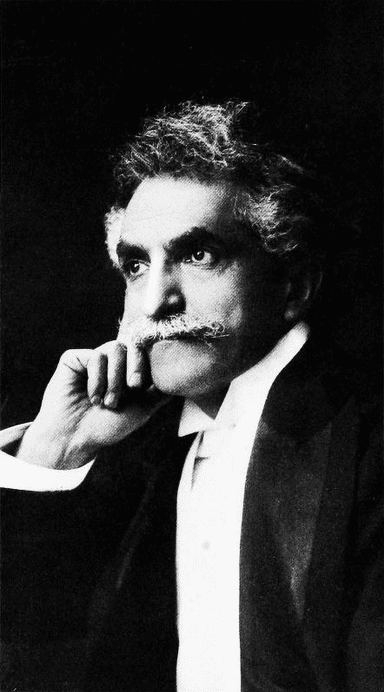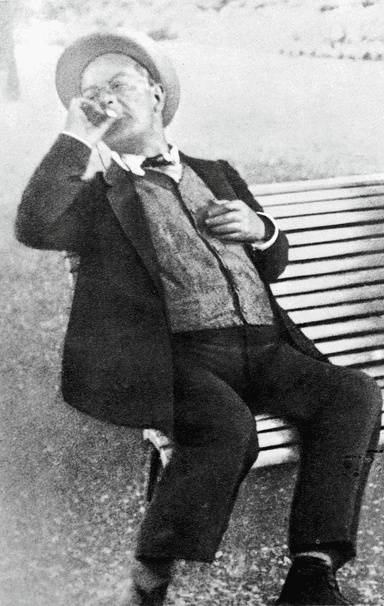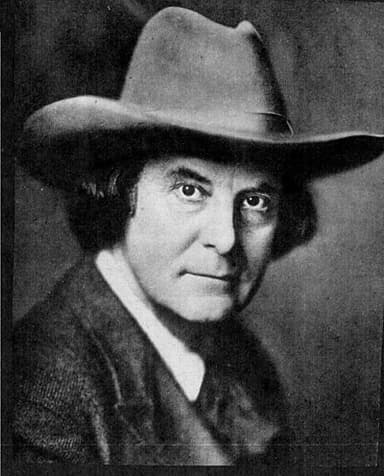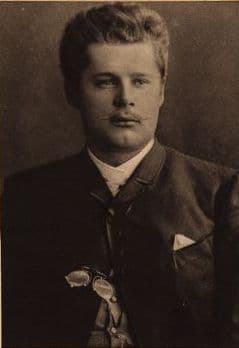
Carl Ludwig Schleich
Carl Ludwig Schleich was a multifaceted German surgeon whose innovative contributions to clinical anesthesia marked a significant advancement in medical practice. His pioneering work in the field not only improved surgical outcomes but also laid the groundwork for modern anesthetic techniques. Beyond his medical career, Schleich was also a philosopher, poet, and painter, reflecting a diverse intellectual curiosity that extended into the arts. His writings often intertwined his medical expertise with philosophical musings, offering a unique perspective on the human experience. Schleich's legacy is particularly notable for his emphasis on the importance of patient care and the psychological aspects of surgery. He advocated for a more humane approach to medicine, which resonated with both his contemporaries and future generations of medical professionals. His contributions to both literature and medicine underscore the interconnectedness of these fields, illustrating how artistic expression can enhance scientific understanding. Schleich's work remains influential, reminding us of the profound relationship between the art of healing and the human condition.