O Esqueleto: Romance
1865
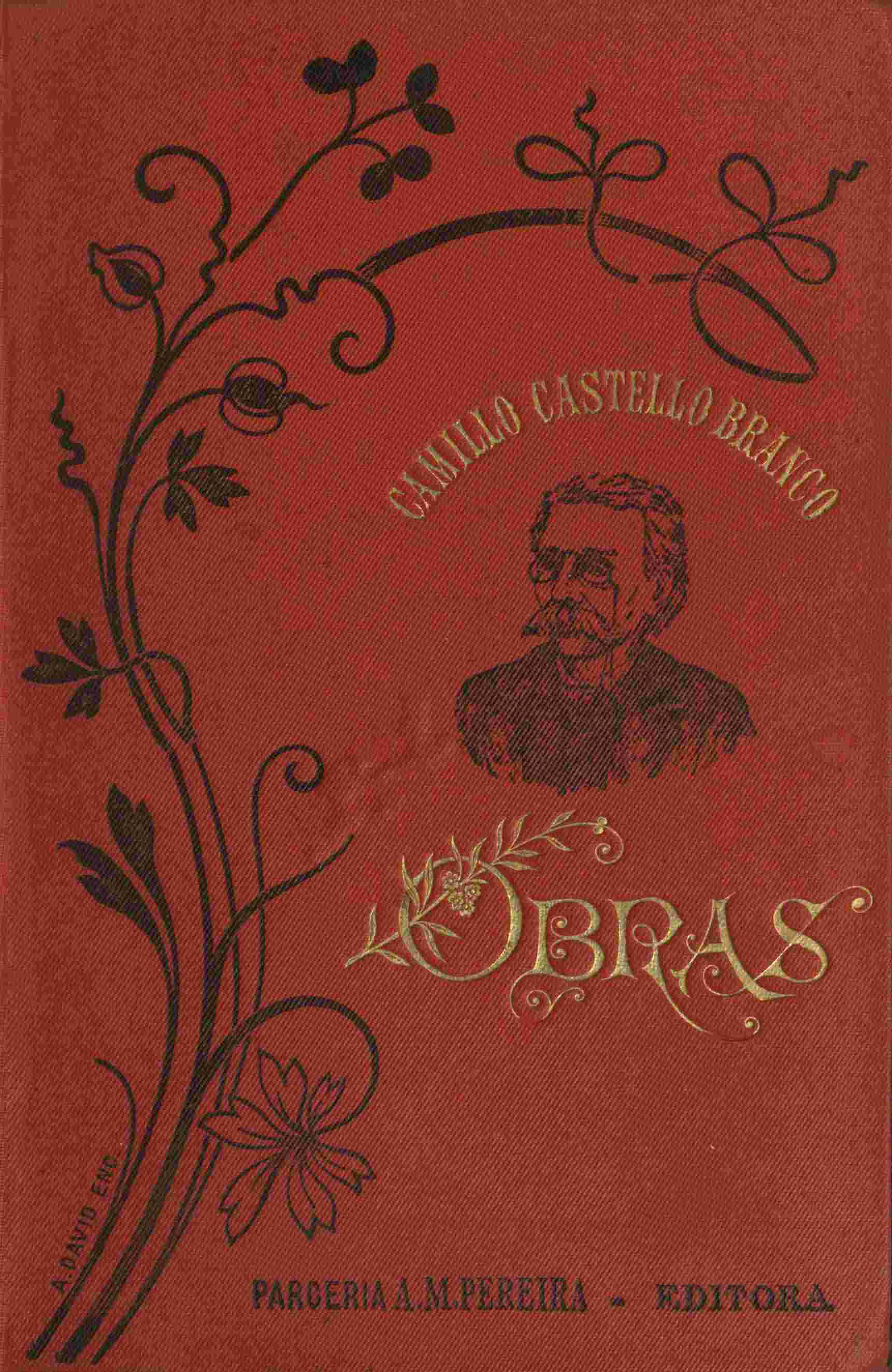
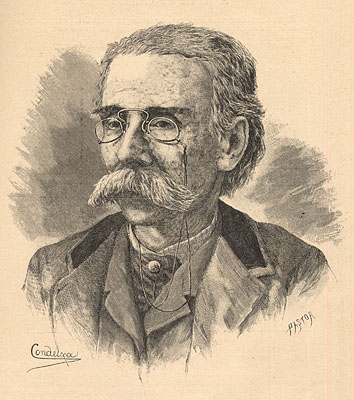
The skeleton in question is the secret Nicoláo de Mesquita carries home to Portugal: the beautiful Frenchwoman at his side is another man's abandoned wife. What begins as a romantic scandal unfolds into something far darker, a ruthlessly honest examination of how society condemns the sins it secretly cultivates. Camilo Castelo Branco, the great Portuguese Romantic provocateur, dissects the hypocrisies of nineteenth-century provincial life with surgical precision, showing us a world where men act on their passions yet demand women suffer in silence. Nicoláo finds himself caught between the woman he has chosen and the cousin whose noble presence seems to mock his descent into dishonor. The emotional architecture is devastating: guilt, desire, pride, and the particular Portuguese agony of appearances. This is not a moralizing novel but an unflinching one, willing to let its characters be contradictory and damning. Written in 1865, it still cuts because its central observation remains true: we punish others for the freedoms we take ourselves. For readers who relish the combustion of feeling and social constraint in novels like Madame Bovry or the works of Eça de Queirós, this is a lost masterwork finally receiving its due.
Editions
Link to this book
Add a free, dofollow link to Lex on your blog, forum, syllabus, or reading list.

<a href="https://lex-books.com/book/o-esqueleto-romance-5b10362d-23f1-4529-870b-148d147b114d"><img src="https://lex-books.com/badges/read-on-lex.svg" alt="Read O Esqueleto: Romance by Camilo Castelo Branco free on Lex" width="160" height="40"></a>[](https://lex-books.com/book/o-esqueleto-romance-5b10362d-23f1-4529-870b-148d147b114d)[url=https://lex-books.com/book/o-esqueleto-romance-5b10362d-23f1-4529-870b-148d147b114d][img]https://lex-books.com/badges/read-on-lex.svg[/img][/url]Read O Esqueleto: Romance by Camilo Castelo Branco free on Lex: https://lex-books.com/book/o-esqueleto-romance-5b10362d-23f1-4529-870b-148d147b114dCite this book
Reading this edition for a paper or guide? Copy a citation.
Branco, Camilo Castelo. O Esqueleto: Romance. Lex, lex-books.com/book/o-esqueleto-romance-5b10362d-23f1-4529-870b-148d147b114d.Branco, C. C. (1865). O Esqueleto: Romance. Lex. https://lex-books.com/book/o-esqueleto-romance-5b10362d-23f1-4529-870b-148d147b114dBranco, Camilo Castelo. O Esqueleto: Romance. Lex. https://lex-books.com/book/o-esqueleto-romance-5b10362d-23f1-4529-870b-148d147b114d.