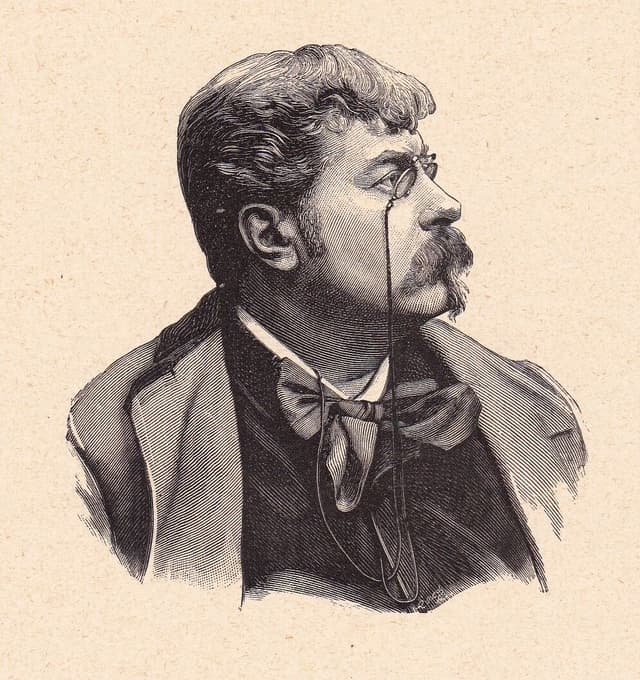
Camille Lemonnier
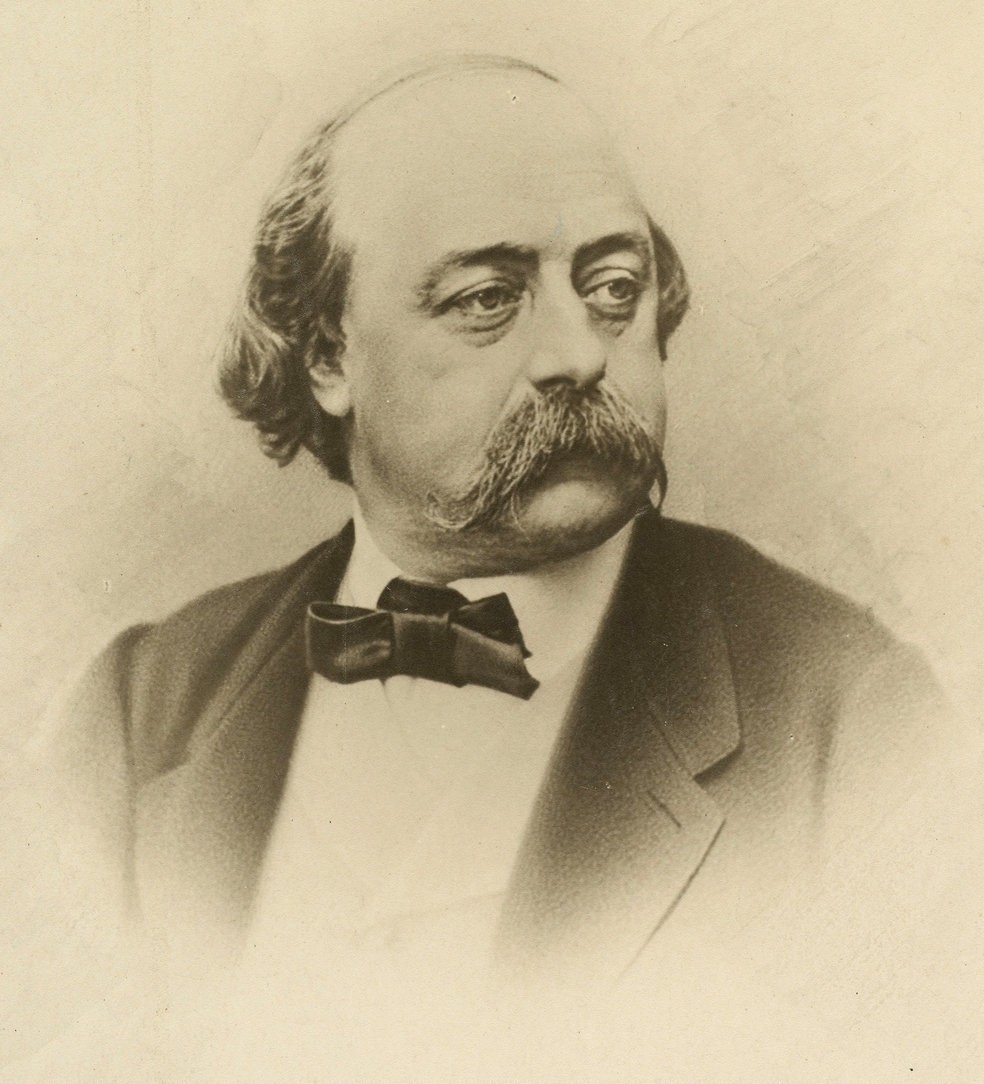
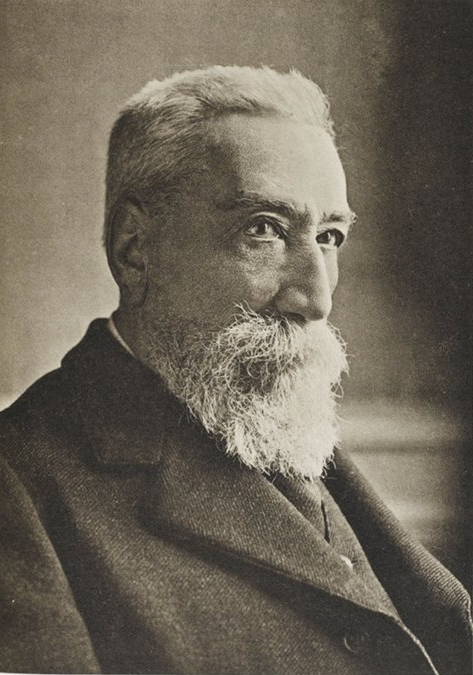
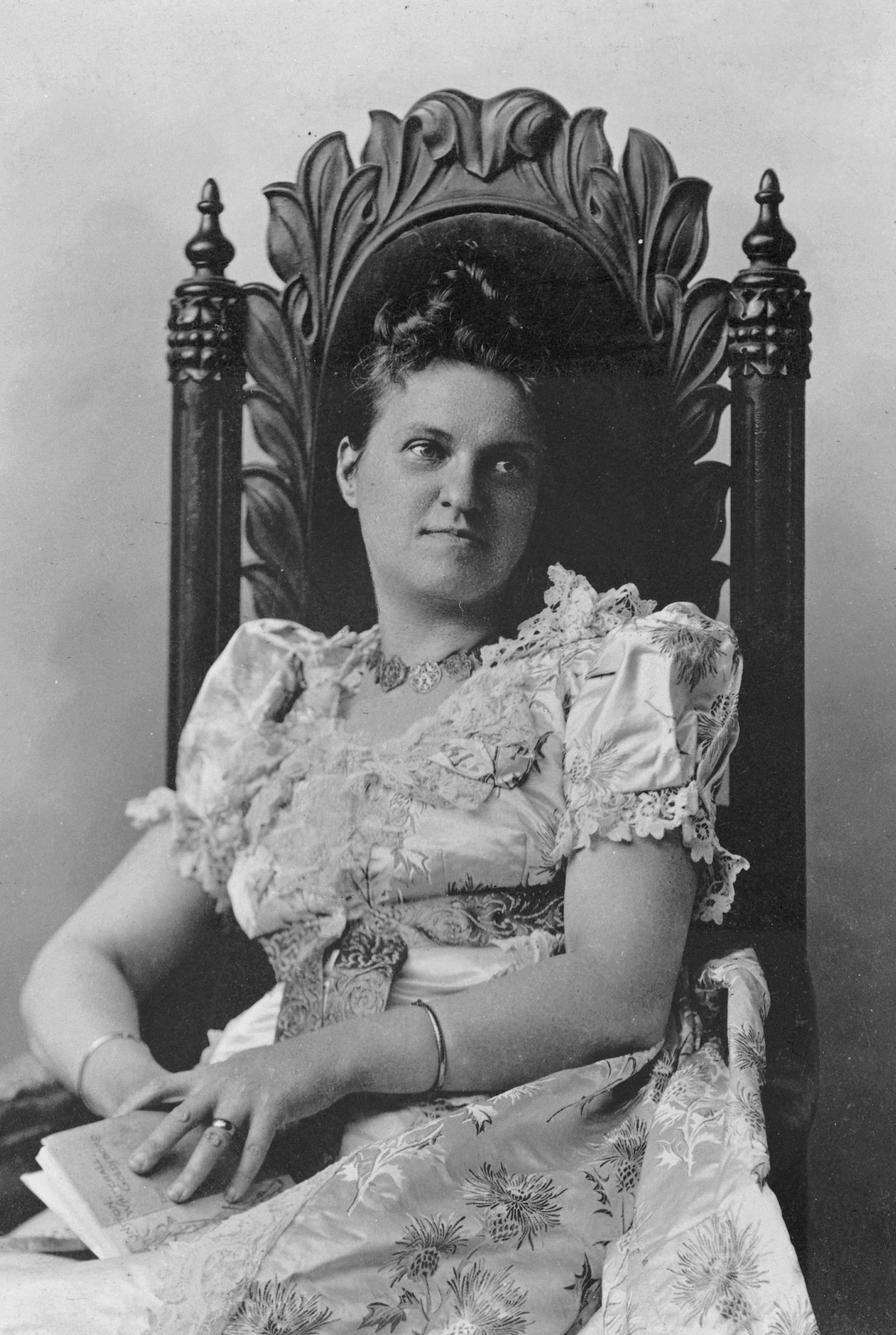
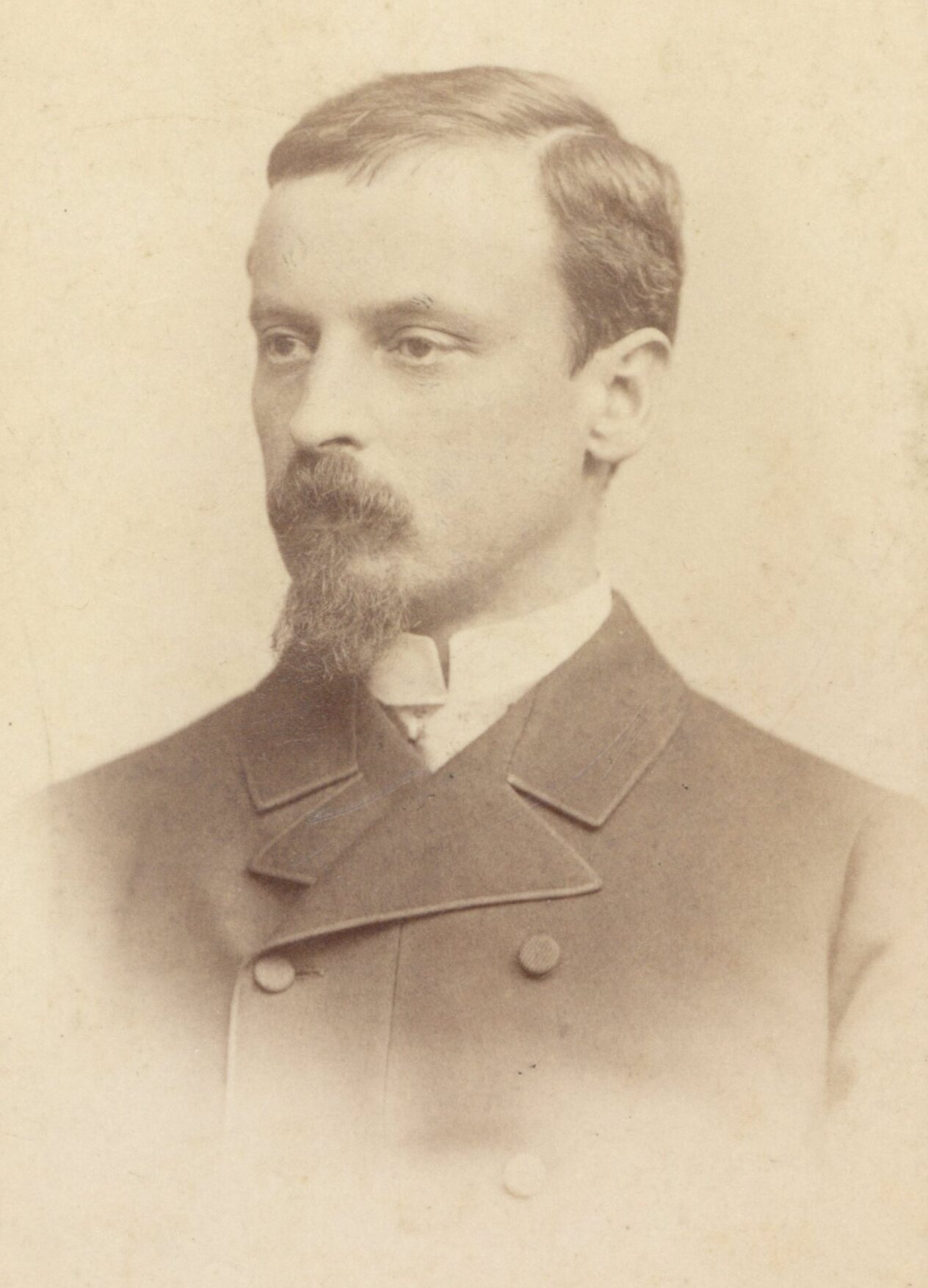
Camille Lemonnier was a Belgian writer, poet, and journalist who played a significant role in the literary movements of his time. He was associated with the Symbolist group La Jeune Belgique, yet his most notable contributions came through his realist works. Lemonnier's literary career began with 'Salon de Bruxelles' in 1863, a collection of art criticism that showcased his keen insight into the art world. However, it was his novel 'Un Mâle,' published in 1881, that solidified his reputation as a prominent novelist. This work is often regarded for its exploration of masculinity and the complexities of human relationships, reflecting the societal norms and challenges of the era. Lemonnier's significance lies not only in his literary output but also in his influence on the evolution of Belgian literature. His realist approach offered a counterpoint to the more idealistic tendencies of his contemporaries, paving the way for future writers to explore the intricacies of everyday life. Through his writings, Lemonnier contributed to the broader discussions of identity and society, leaving a legacy that continues to be recognized in the context of Belgian and European literature.
Famous Quotes
View all 1 quotes“Երկար ժամանակ կարծում էի, թե սիրում է ինձ: Բայց ամեն անգամ, երբ հարցնում էի այդ մասին, այնպիսի տեսք էր ընդունում, ասես մեռելազանգի հնչյունների տակ, գլխին կնգուղ քաշած, իրեն տանում են գելարան: Կամիլ Լըմոնյե «Տղամարդու սեր»”
Books from the author
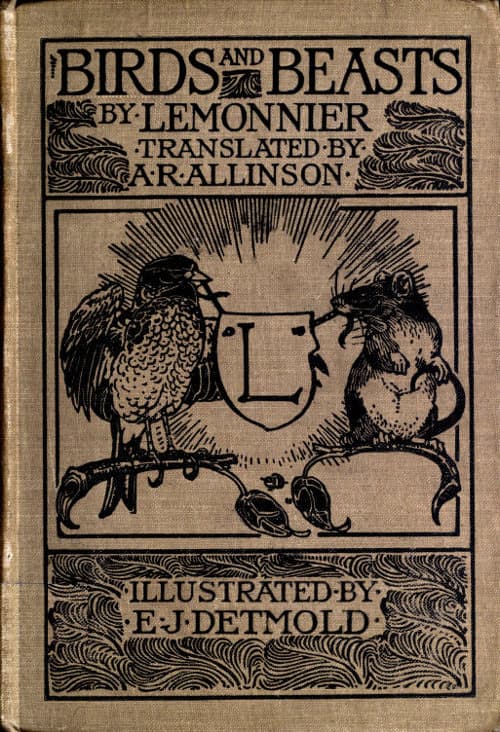
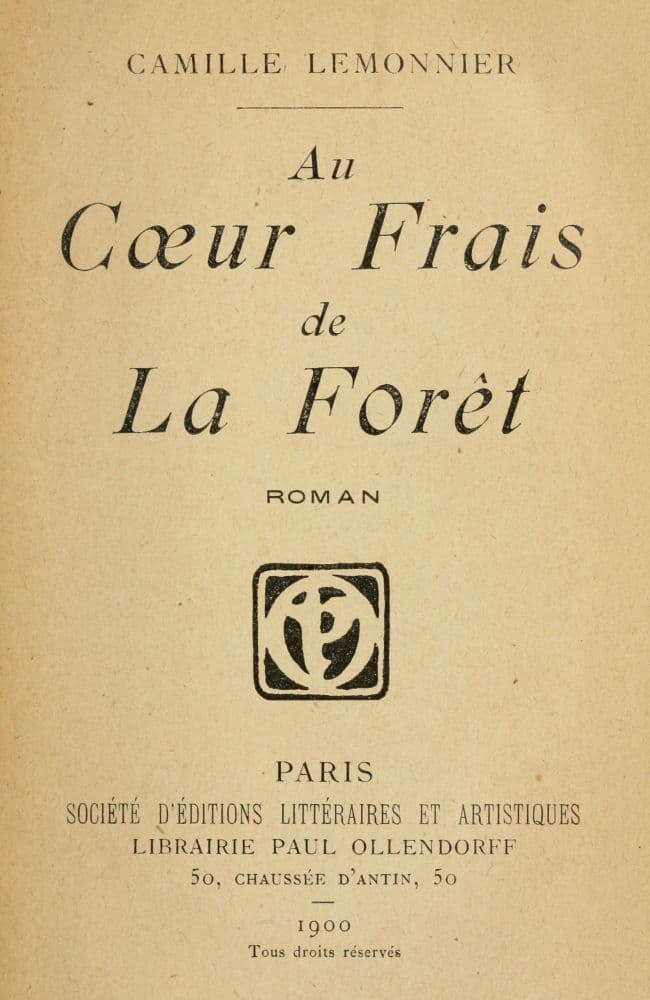
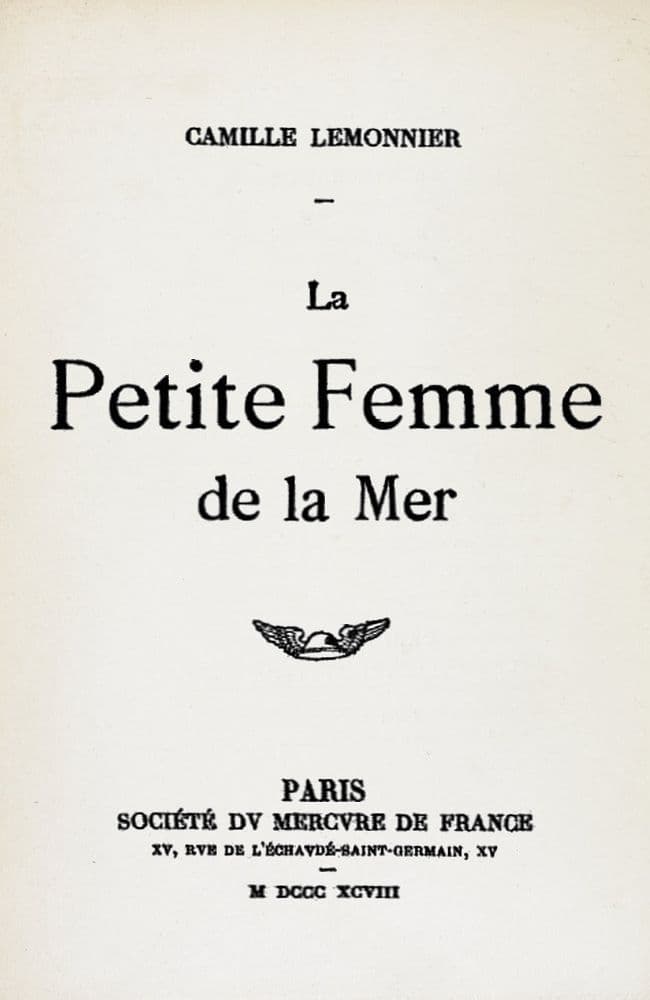



Link to this page
Add a free, dofollow link to Lex on your blog, forum, syllabus, or reading list.

<a href="https://lex-books.com/author/camille-lemonnier"><img src="https://lex-books.com/badges/read-on-lex.svg" alt="Camille Lemonnier on Lex" width="160" height="40"></a>[](https://lex-books.com/author/camille-lemonnier)[url=https://lex-books.com/author/camille-lemonnier][img]https://lex-books.com/badges/read-on-lex.svg[/img][/url]Camille Lemonnier on Lex: https://lex-books.com/author/camille-lemonnier