
Bolton Hall
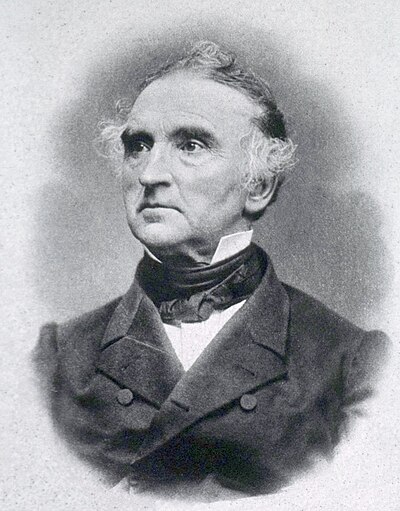
Bolton Hall was an American author, social reformer, and advocate for the rights of the common man, known for his writings that emphasized simplicity and self-sufficiency. Born in 1854, Hall was a prominent figure in the early 20th century, engaging with issues of land reform and the importance of individual empowerment. His most notable work, "The Land of the Free," critiques the socio-economic structures that hinder personal freedom and advocates for a return to agrarian values. Hall's writings often reflected his belief in the dignity of labor and the necessity of equitable access to land, which he viewed as essential for true democracy. In addition to his literary contributions, Hall was an active participant in various social movements, including the Single Tax movement, which sought to reform property taxes to promote fairness in land ownership. His ideas were influential in shaping discussions around economic justice and land reform during his lifetime. Hall's legacy is marked by his commitment to social equity and his belief in the transformative power of literature to inspire change. His works continue to be a reference point for discussions on land rights and social justice, highlighting the enduring relevance of his ideas in contemporary debates.
Famous Quotes
View all 1 quotes“We are not tied to a desk or to a bench; we stay there only because we think we are tied. In Montana I had a horse, which was hobbled every night to keep him from wandering; that is, straps joined by a short chain were put around his forefeet, so that he could only hop. The hobbles were taken off in the morning, but he would still hop until he saw his mate trotting off. This book is intended to show how any one can trot off if he will.”
Books from the author



Link to this page
Add a free, dofollow link to Lex on your blog, forum, syllabus, or reading list.

<a href="https://lex-books.com/author/bolton-hall"><img src="https://lex-books.com/badges/read-on-lex.svg" alt="Bolton Hall on Lex" width="160" height="40"></a>[](https://lex-books.com/author/bolton-hall)[url=https://lex-books.com/author/bolton-hall][img]https://lex-books.com/badges/read-on-lex.svg[/img][/url]Bolton Hall on Lex: https://lex-books.com/author/bolton-hall