
Bernal Díaz del Castillo
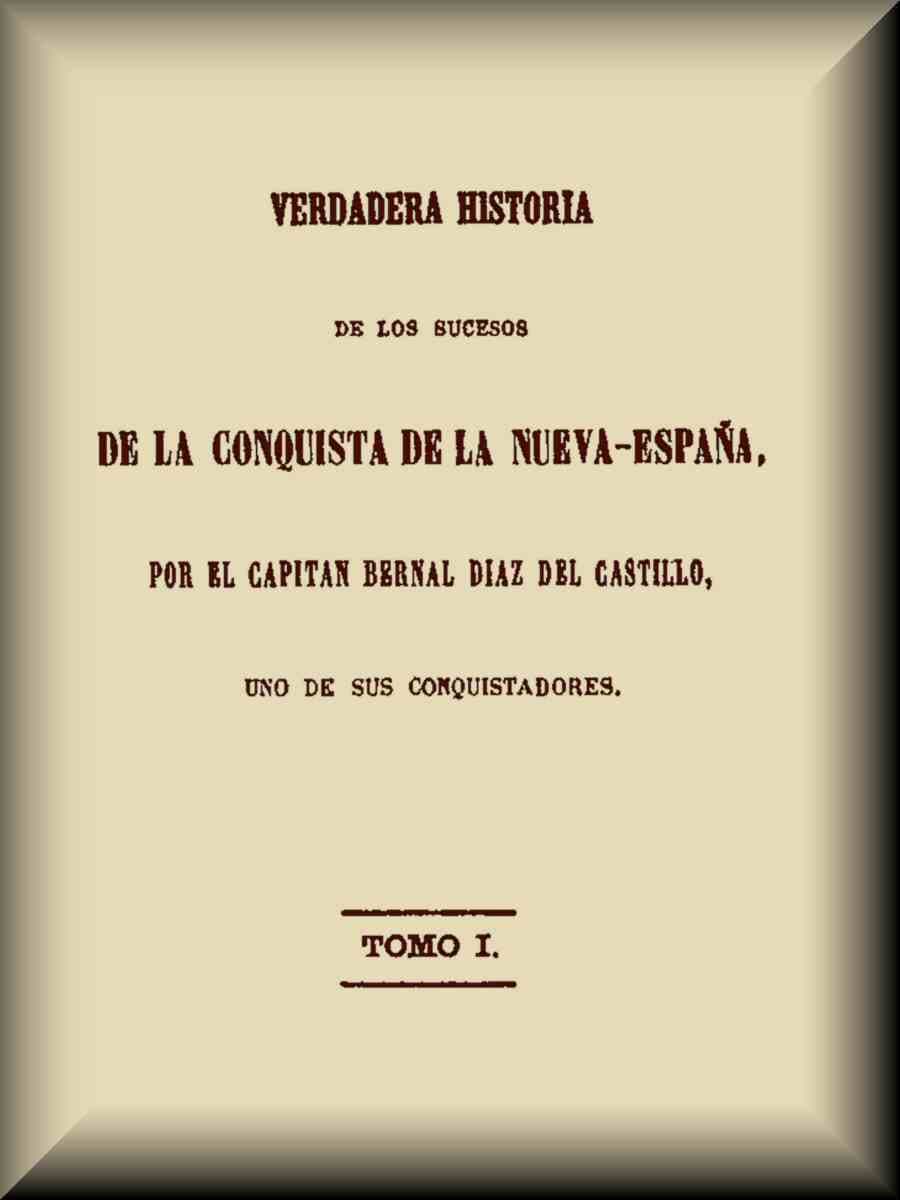
Bernal Díaz del Castillo was a Spanish conquistador and chronicler best known for his firsthand account of the Spanish conquest of Mexico. Born in 1496 in Medina del Campo, Spain, he joined Hernán Cortés's expedition to the New World in 1519, where he played a significant role in the events that led to the fall of the Aztec Empire. Díaz del Castillo's experiences as a soldier and his keen observations of indigenous cultures provided a unique perspective on the tumultuous period of conquest and colonization. His most notable work, 'The True History of the Conquest of New Spain,' offers a detailed narrative of the expedition, the encounters with indigenous peoples, and the political intrigues of the time, distinguishing itself from other accounts by its emphasis on personal experience and authenticity. Díaz del Castillo's writings are significant not only for their historical value but also for their literary merit. His vivid descriptions and engaging storytelling have made his work an essential resource for understanding the complexities of the conquest and the cultural exchanges that ensued. His legacy endures as a crucial voice in the historical narrative of the Americas, providing insight into the motivations and experiences of those who participated in one of history's most consequential events. Through his chronicles, Díaz del Castillo has contributed to the understanding of colonial history and the impact of European expansion on indigenous societies.
Famous Quotes
View all 16 quotes“We came to serve God, and to get rich.””
“The Mexicans relate that, shortly before our arrival in New Spain, there appeared a figure in the heavens of a circular form, like a carriage wheel, the colours of which were a mixture of green and red. Shortly after a second, of a similar form, made its appearance, which moved towards the rising of the sun, and joined the first.””
“Most of the Indians, particularly those living on the coasts and in the hotter climates, were given to unnatural lusts. To such a dreadful degree was this practised, that men even went about in female garments, and made a livelihood by their diabolical and cursed lewdness.””
Books from the author




Link to this page
Add a free, dofollow link to Lex on your blog, forum, syllabus, or reading list.

<a href="https://lex-books.com/author/bernal-díaz-del-castillo"><img src="https://lex-books.com/badges/read-on-lex.svg" alt="Bernal Díaz del Castillo on Lex" width="160" height="40"></a>[](https://lex-books.com/author/bernal-díaz-del-castillo)[url=https://lex-books.com/author/bernal-díaz-del-castillo][img]https://lex-books.com/badges/read-on-lex.svg[/img][/url]Bernal Díaz del Castillo on Lex: https://lex-books.com/author/bernal-díaz-del-castillo