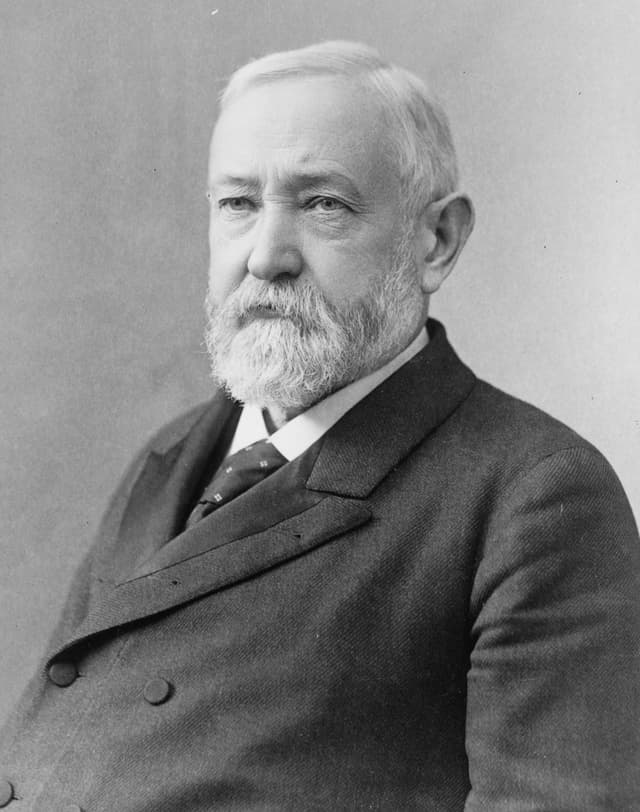
Benjamin Harrison
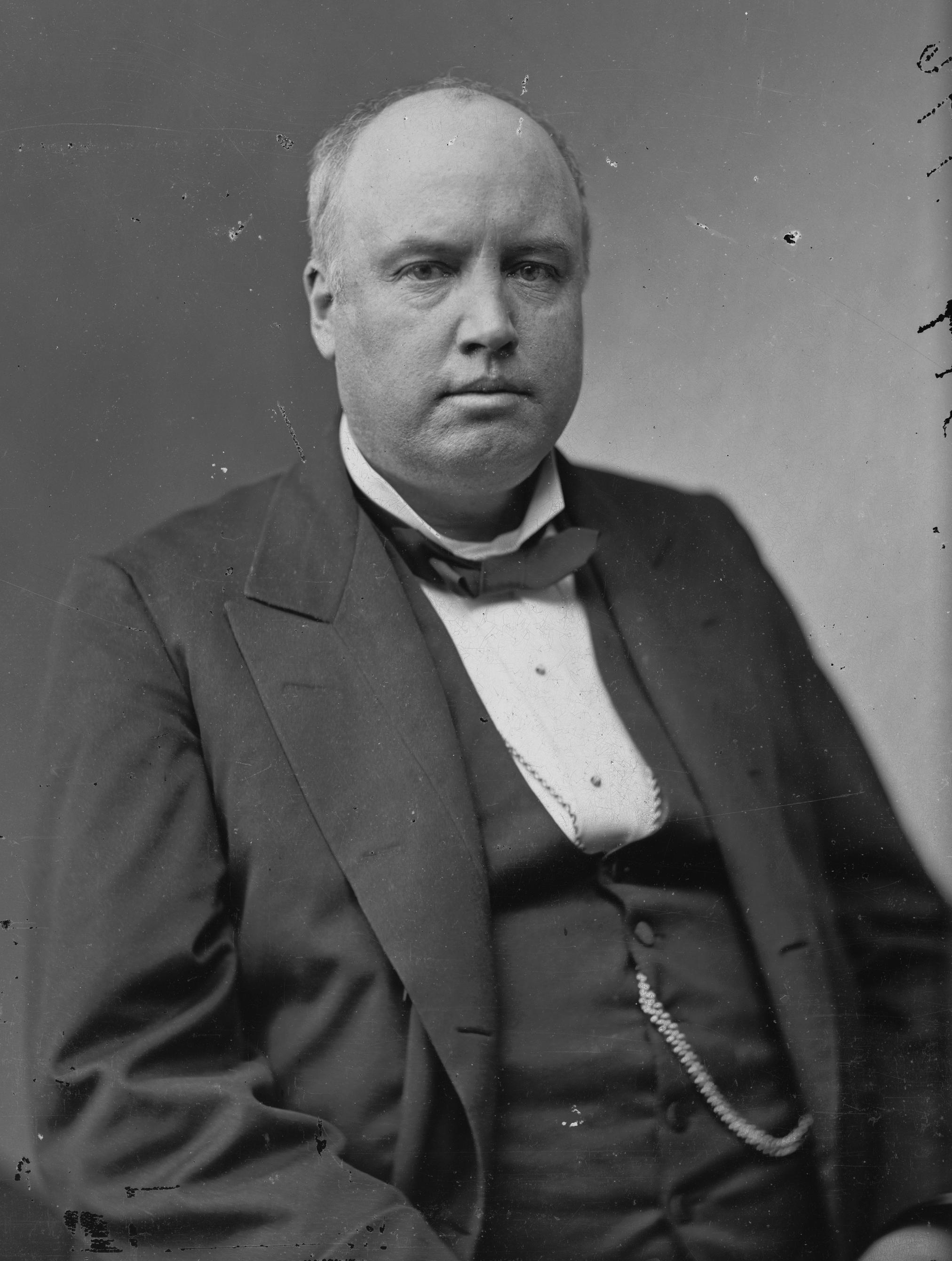
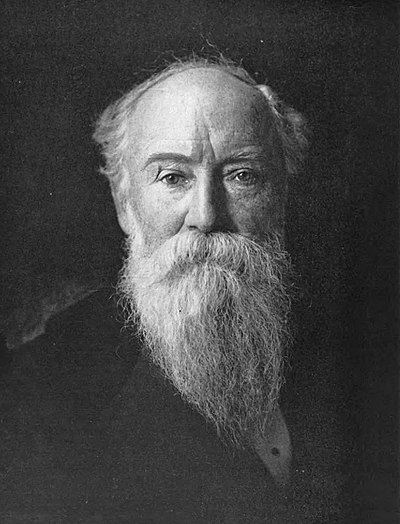
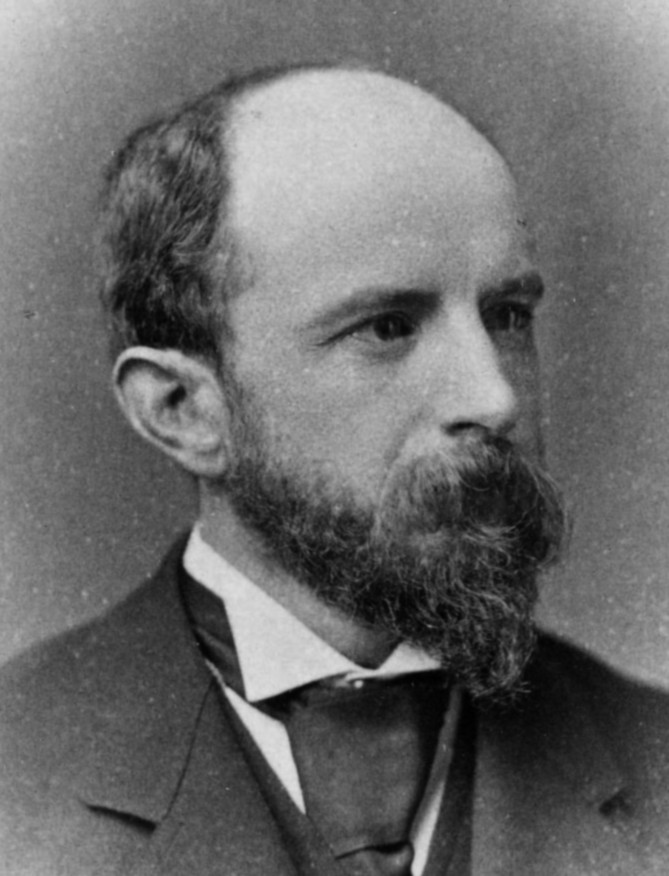
Benjamin Harrison was the 23rd president of the United States, serving from 1889 to 1893. Born on a farm near the Ohio River, he graduated from Miami University in Ohio before establishing a successful law practice in Indianapolis. A veteran of the Union Army during the Civil War, Harrison rose to the rank of brevet brigadier general. His political career began in earnest after an unsuccessful gubernatorial run in Indiana, leading to his election to the U.S. Senate from 1881 to 1887. In 1888, he defeated incumbent Grover Cleveland to become president, despite losing the popular vote, marking a significant moment in electoral history. Harrison's presidency was notable for its ambitious economic policies, including the McKinley Tariff, which introduced high protective tariffs, and the Sherman Antitrust Act aimed at curbing monopolistic practices. He also played a crucial role in the establishment of national forest reserves and oversaw the admission of six western states into the Union. His administration was characterized by a commitment to modernizing the U.S. Navy and an assertive foreign policy, although he faced challenges in advancing federal education funding and civil rights for African Americans. Harrison's legacy is marked by his efforts to expand the federal government's role in the economy and his contributions to the growth of the United States during a transformative period in its history.
Famous Quotes
View all 5 quotes“What saddens me most is that some poor woman out there has to be Garth's wife. And his three children -- oh, his poor three children. What a despicable human being this guy is.””
“I pity the man who wants a coat so cheap that the manor woman who produces the cloth will starve in the process.””
“In the old Republican days the subject of slavery and of the saving of the Union made appeals to the consciences and liberty-loving instincts of the people. These later years have been full of talk about commerce and dinner pails, but I feel sure that the American conscience and the American love of liberty have not been smothered. They will break through this crust of sordidness and realize that those only keep their liberties who accord liberty to others.””
Books from the author

Link to this page
Add a free, dofollow link to Lex on your blog, forum, syllabus, or reading list.

<a href="https://lex-books.com/author/benjamin-harrison"><img src="https://lex-books.com/badges/read-on-lex.svg" alt="Benjamin Harrison on Lex" width="160" height="40"></a>[](https://lex-books.com/author/benjamin-harrison)[url=https://lex-books.com/author/benjamin-harrison][img]https://lex-books.com/badges/read-on-lex.svg[/img][/url]Benjamin Harrison on Lex: https://lex-books.com/author/benjamin-harrison