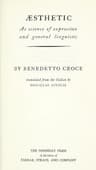
Æsthetic as Science of Expression and General Linguistic
1902
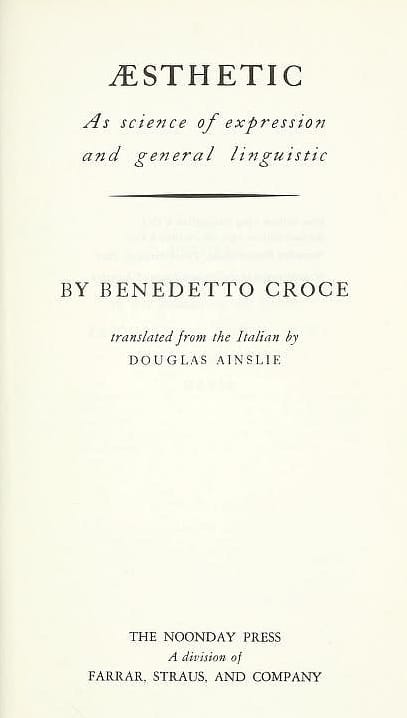
Æsthetic as Science of Expression and General Linguistic
1902
Translated by Douglas Ainslie
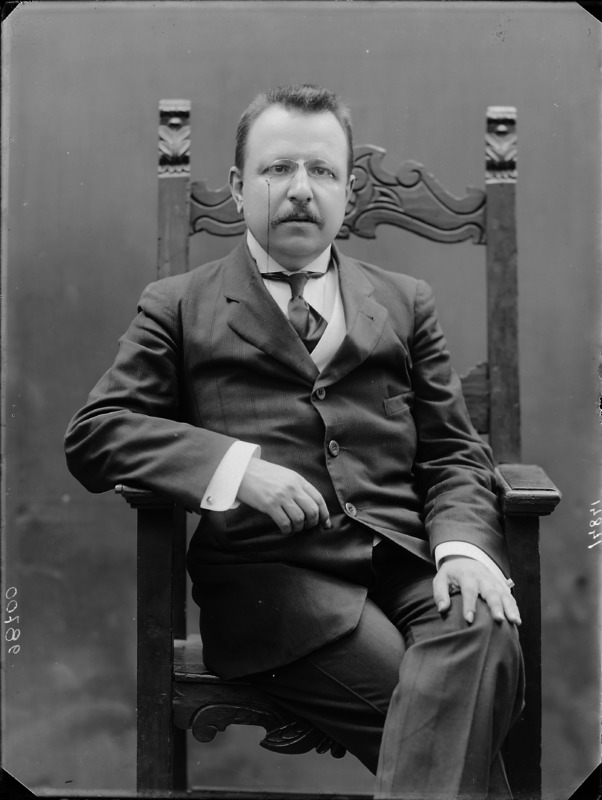
Croce published this manifesto in 1902, and it shattered how philosophers understood art. He attacks two ancient ideas: that art imitates nature, and that art conveys concepts. Both are wrong. Art is something else entirely. It begins with intuition, that mysterious faculty that grasps particulars before any intellectual framework arrives. True intuition, Croce insists, cannot exist without expression. The moment you intuit something, you have already begun to express it. There is no silent intuition, no unexpressed feeling that qualifies as aesthetic. This insight became the foundation of his entire philosophical system, influencing everyone from Gramsci to structuralists, from literary critics to semioticians. Croce writes with a philosopher's precision but also a lover of art's passion. He believes aesthetics is not a minor ornament to philosophy but its beating heart. If you have ever wondered what makes something "art" or why certain expressions move us and others leave us cold, Croce's rigorous analysis still provides the most compelling answers a century later.
Editions
X-Ray
“Economy is the aestethic of practical life - morality is its logic””
— Benedetto Croce
Link to this book
Add a free, dofollow link to Lex on your blog, forum, syllabus, or reading list.

<a href="https://lex-books.com/book/sthetic-as-science-of-expression-and-general-linguistic-2931fdd2-dc55-4e0a-b871-9fdf9fb66537"><img src="https://lex-books.com/badges/read-on-lex.svg" alt="Read Æsthetic as Science of Expression and General Linguistic by Benedetto Croce free on Lex" width="160" height="40"></a>[](https://lex-books.com/book/sthetic-as-science-of-expression-and-general-linguistic-2931fdd2-dc55-4e0a-b871-9fdf9fb66537)[url=https://lex-books.com/book/sthetic-as-science-of-expression-and-general-linguistic-2931fdd2-dc55-4e0a-b871-9fdf9fb66537][img]https://lex-books.com/badges/read-on-lex.svg[/img][/url]Read Æsthetic as Science of Expression and General Linguistic by Benedetto Croce free on Lex: https://lex-books.com/book/sthetic-as-science-of-expression-and-general-linguistic-2931fdd2-dc55-4e0a-b871-9fdf9fb66537Cite this book
Reading this edition for a paper or guide? Copy a citation.
Croce, Benedetto. Æsthetic as Science of Expression and General Linguistic. Lex, lex-books.com/book/sthetic-as-science-of-expression-and-general-linguistic-2931fdd2-dc55-4e0a-b871-9fdf9fb66537.Croce, B. (1902). Æsthetic as Science of Expression and General Linguistic. Lex. https://lex-books.com/book/sthetic-as-science-of-expression-and-general-linguistic-2931fdd2-dc55-4e0a-b871-9fdf9fb66537Croce, Benedetto. Æsthetic as Science of Expression and General Linguistic. Lex. https://lex-books.com/book/sthetic-as-science-of-expression-and-general-linguistic-2931fdd2-dc55-4e0a-b871-9fdf9fb66537.