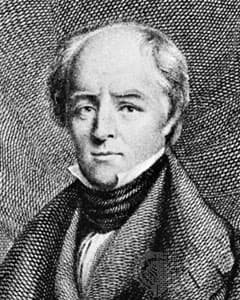
Basil Hall
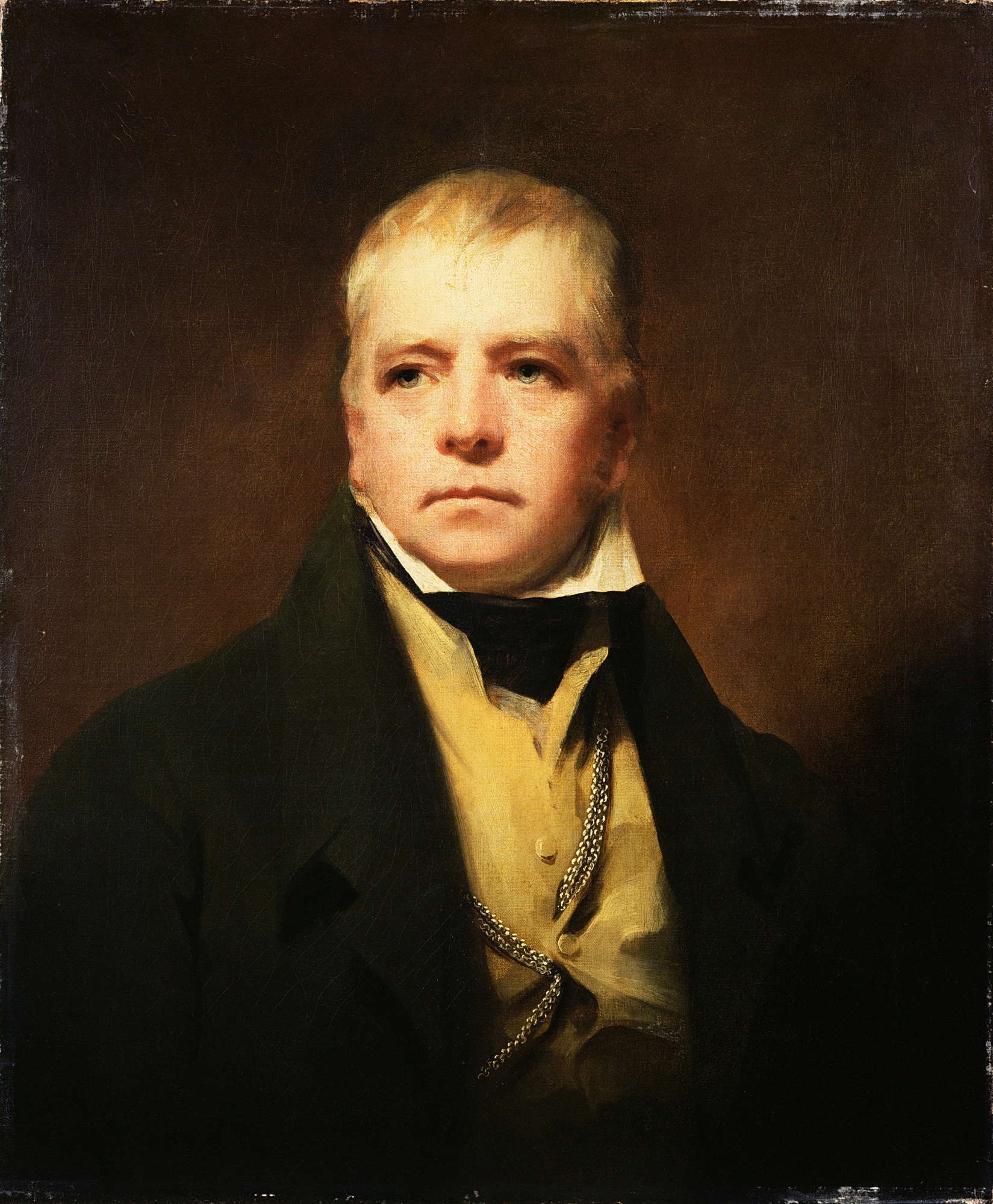
Basil Hall was a Scottish naval officer and author, known for his vivid travel narratives that captured the essence of early 19th-century exploration. Born in 1788, Hall embarked on a career in the Royal Navy, which provided him with the opportunity to travel extensively. His experiences at sea and in foreign lands inspired his writing, particularly his notable works such as "Fragments of Voyages and Travels" and "The Life of a Sailor," where he combined personal anecdotes with observations on the cultures and societies he encountered. Hall's narratives were not only entertaining but also served as important documents of maritime life and the broader world during a time of significant change and expansion in British imperial interests. Hall's literary contributions are significant for their detailed depictions of the places he visited, including the Americas, the South Seas, and the Mediterranean. His works were among the early examples of travel literature that blended adventure with a keen sense of social commentary, influencing later writers in the genre. Hall's legacy lies in his ability to transport readers to distant lands while providing insights into the complexities of human interaction across cultures, making him a notable figure in the realm of travel writing during the early 19th century.
Famous Quotes
View all 7 quotes“As the power and goodness of Heavenare infinite in their extent, and infinite intheir minuteness, to the mind cultivatedas nature meant it to be, there is not onlydelight in contemplating the sublimity of the endless sea, or everlasting mountains, or the beauty of wide-extended landscapes; but there is a pleasure in looking at every flower, and every little shell that God hasmade. Nature has scattered around us,on every side, and for every sense, an inexhaustible profusion of beauty and sweetness, if we will but perceive it. The pleasures we derive from flowers, from forms,from musical sounds, are surely not givenus in vain; and if we are constantly aliveto these, we can never be in want of subjects of agreeable contemplation, and mustbe habitually cheerful. All that is required, in order that we should duly estimate these things, is that we should not have blunted or exhausted our minds by excessive indulgence of gross appetites and passions. In that fatal case, all those delicious fruits turn to ashes. Indeed, the man who looks at the gifts of nature without pleasure, or who hopes to enjoy the delights and blessings of life withoutfeeling that gratitude to God forms their highest charms, and without becoming in consequence habitually cheerful, is surely much to be pitied.””
“A commander should recollect, that, whether it be he himself, or chiefly his officers and crew, who perform any useful public service, he invariably reaps at least his full share of the credit. His real interest, therefore, must always be, not merely to draw about him the ablest men he can induce to follow him, but to allow them the utmost latitude of independent action and responsibility, and as much of the merit of success as possible. If he persevere sincerely in this course, he will soon discover that the more he endeavours to remove the credit from himself, or, rather, to divide it handsomely with those who are acting with him, the more will he generally find the merit given back to himself. I””
“Be this as it may, I make a rule of entering a monkey as speedily as possible after hoisting my pendant; and if a reform takes place in the table of ratings, I would recommend a corner for the "ship's monkey," which should be borne on the books for "full allowance of victuals," excepting only the grog; for I have observed that a small quantity of tipple very soon upsets him; and although there are few things in nature more ridiculous than a monkey half-seas over, yet the reasons against permitting such pranks are obvious and numerous. When Lord Melville, then First Lord of the Admiralty, to my great surprise and delight, put into my hands a commission for a ship going to the South American station, a quarter of the world I had long desired to visit, my first thought was, "Where now shall I manage to find a merry rascal of a monkey?" Of course, I did not give audible expression to this thought in the First Lord's room; but, on coming down-stairs, I had a talk about it in the hall with my friend, the late Mr. Nutland, the porter, who laughed, and said,”
Books from the author




Link to this page
Add a free, dofollow link to Lex on your blog, forum, syllabus, or reading list.

<a href="https://lex-books.com/author/basil-hall"><img src="https://lex-books.com/badges/read-on-lex.svg" alt="Basil Hall on Lex" width="160" height="40"></a>[](https://lex-books.com/author/basil-hall)[url=https://lex-books.com/author/basil-hall][img]https://lex-books.com/badges/read-on-lex.svg[/img][/url]Basil Hall on Lex: https://lex-books.com/author/basil-hall