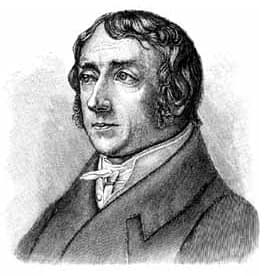
Barthold Georg Niebuhr
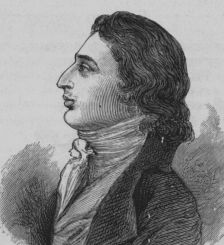
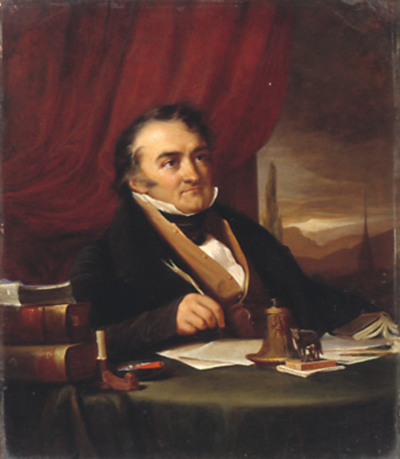
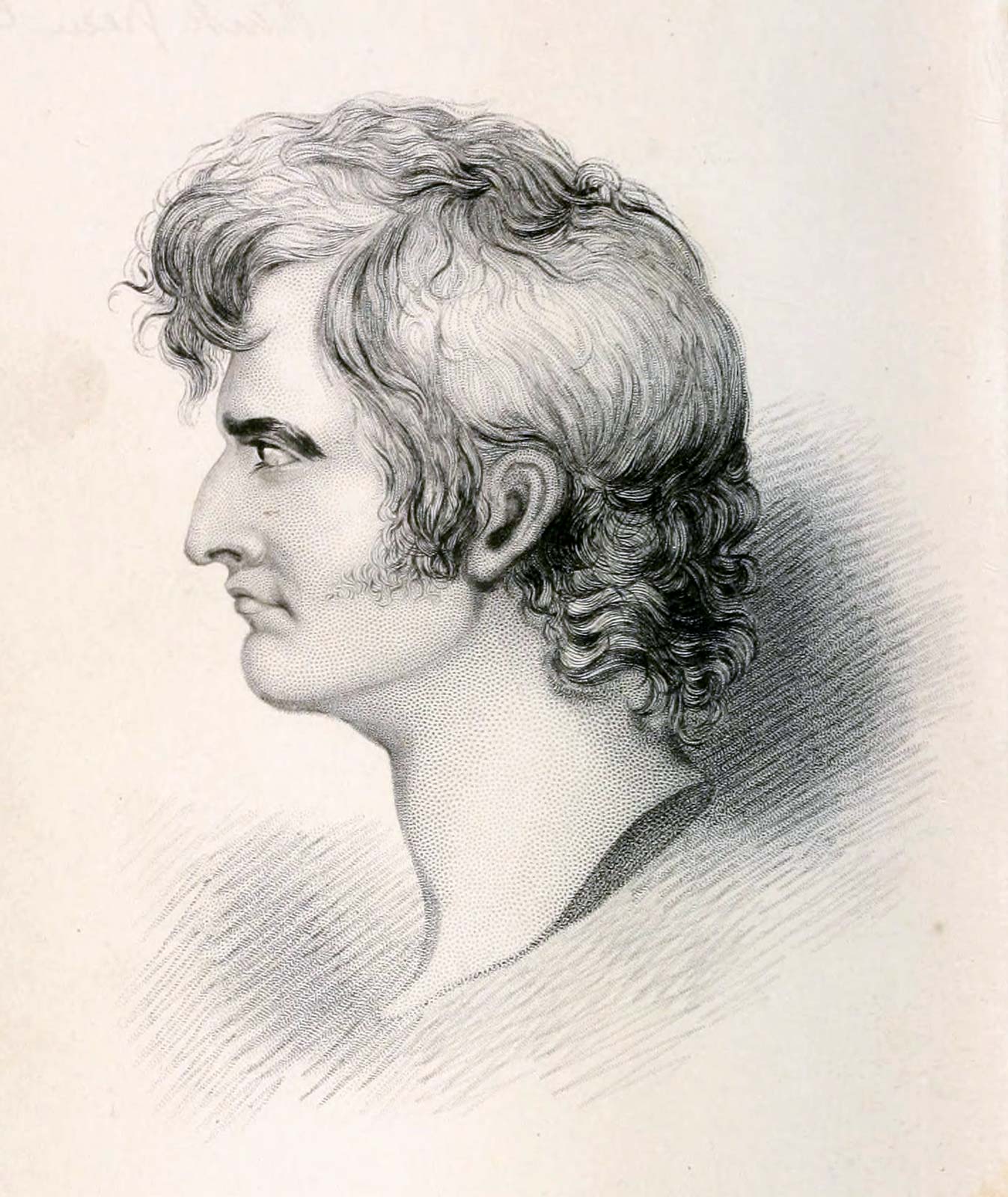
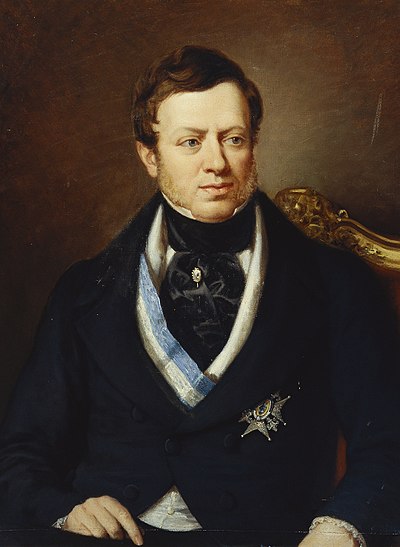
Barthold Georg Niebuhr was a prominent Danish-German statesman, banker, and historian, recognized as a pioneering figure in the study of Ancient Rome. His scholarly work laid the groundwork for modern historiography, emphasizing a rigorous analysis of historical sources and a nuanced understanding of the interplay between economic and governmental structures in ancient societies. By 1810, he was a significant presence at the University of Berlin, where his lectures inspired a sense of German nationalism among students, particularly in the wake of the country's defeat at Jena. Niebuhr's contributions to historiography were marked by his Romantic ideals, which celebrated the German national spirit while remaining deeply influenced by the Enlightenment's classical traditions. His major works, including "Roman History" and "The History of Rome," showcased his innovative approach to historical narrative, blending philological analysis with a focus on both broad trends and specific events. His legacy as a historian endures, as he is often credited with shaping the methodologies that define modern historical scholarship, making him a foundational figure in the field of history.
Famous Quotes
View all 2 quotes“He who calls what is vanished back again into being, enjoys a bliss like that of creating.”
“He who calls what has vanished back into being, enjoys a bliss like that of creating”
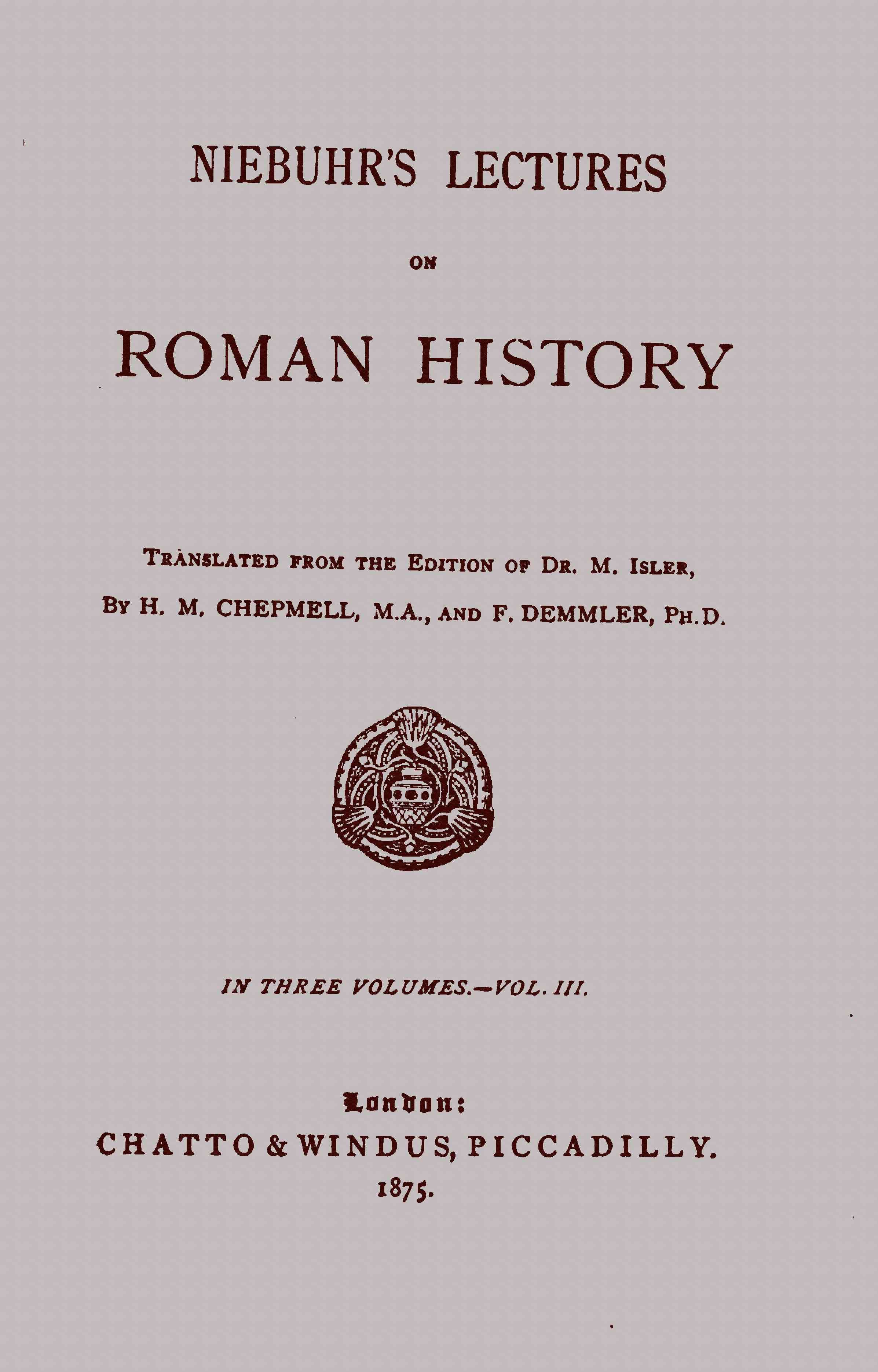
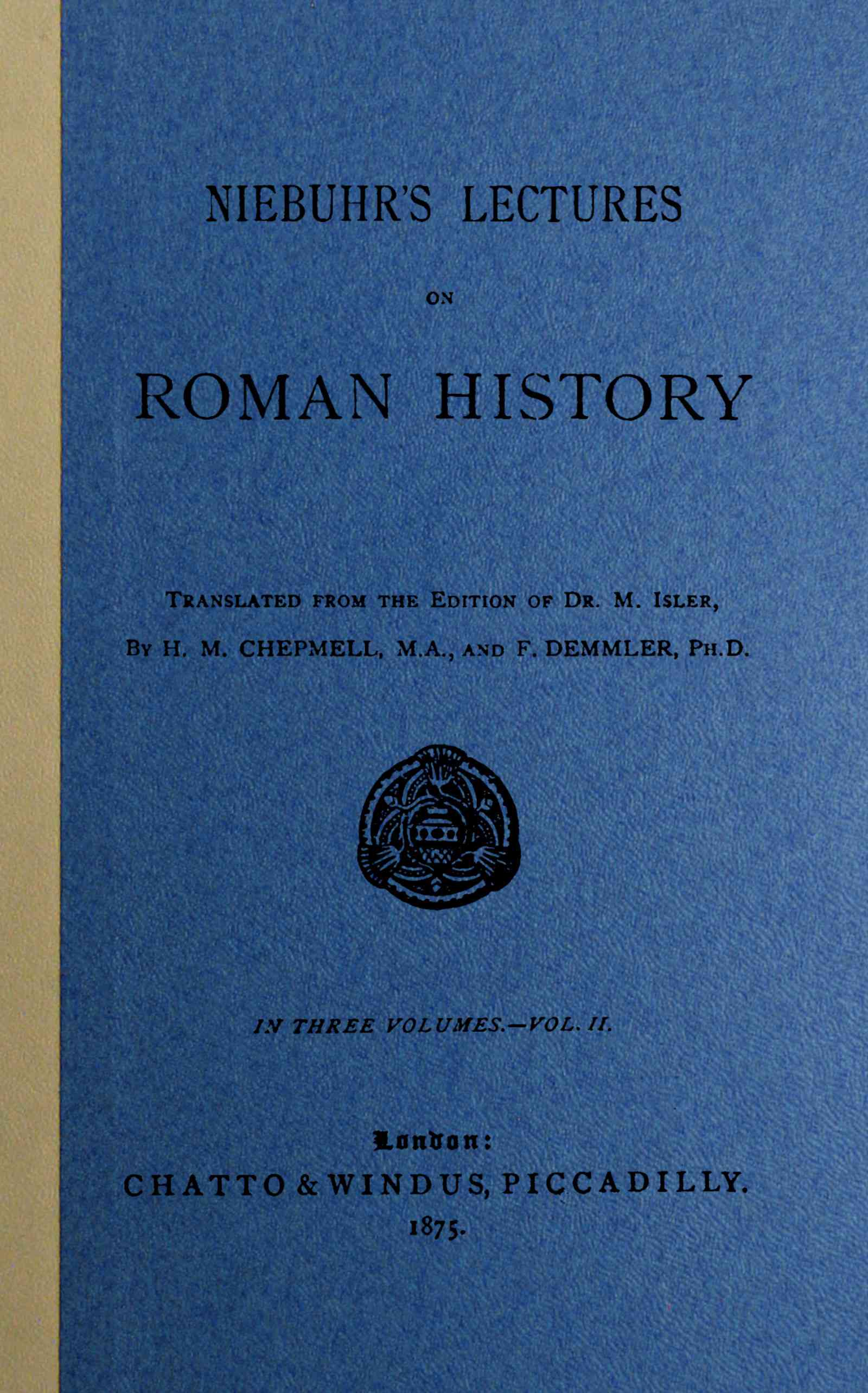
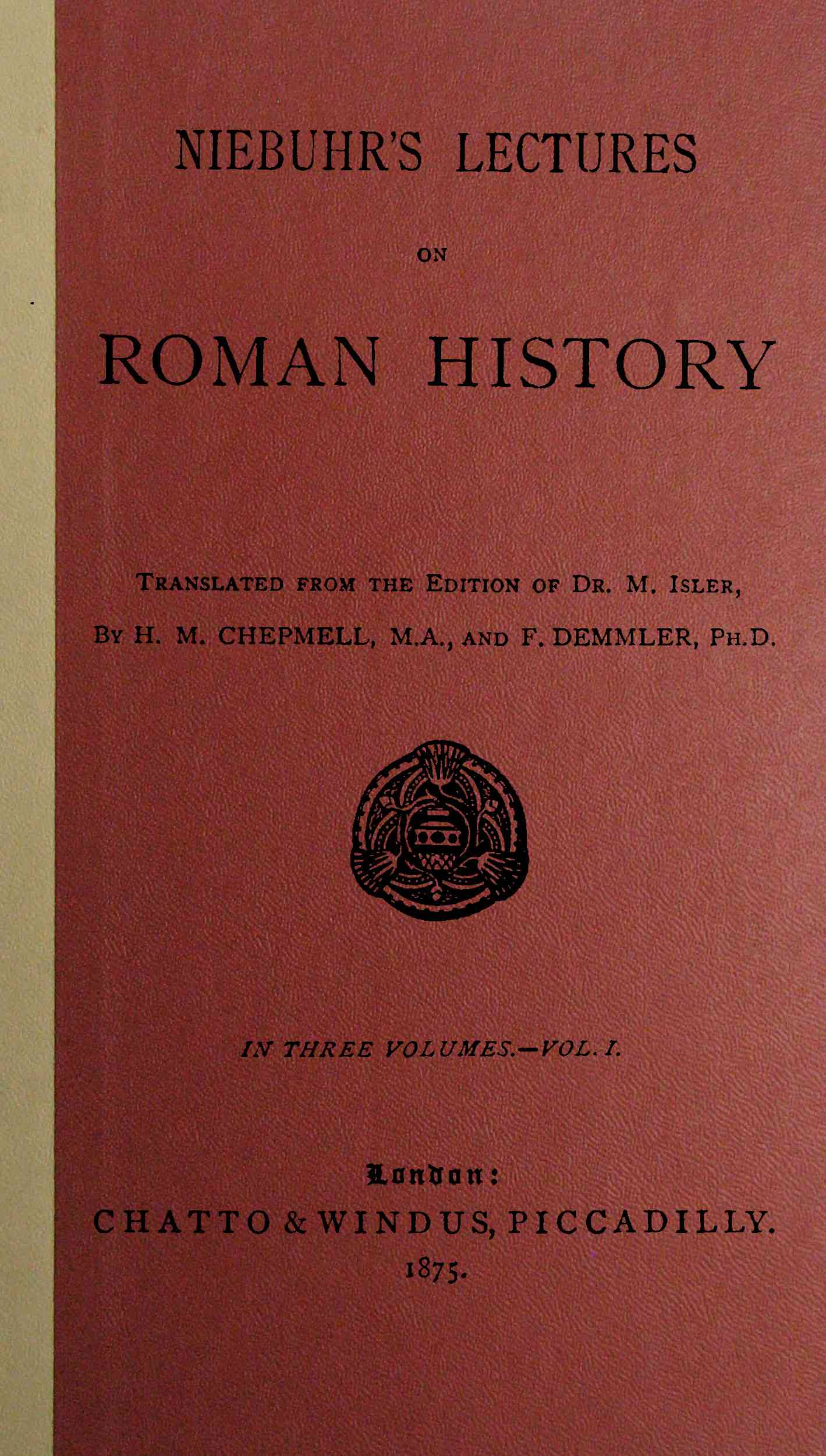
Books from the author





Link to this page
Add a free, dofollow link to Lex on your blog, forum, syllabus, or reading list.

<a href="https://lex-books.com/author/barthold-georg-niebuhr"><img src="https://lex-books.com/badges/read-on-lex.svg" alt="Barthold Georg Niebuhr on Lex" width="160" height="40"></a>[](https://lex-books.com/author/barthold-georg-niebuhr)[url=https://lex-books.com/author/barthold-georg-niebuhr][img]https://lex-books.com/badges/read-on-lex.svg[/img][/url]Barthold Georg Niebuhr on Lex: https://lex-books.com/author/barthold-georg-niebuhr