Niebuhr's Lectures on Roman History, Vol. 1 (of 3)
1875
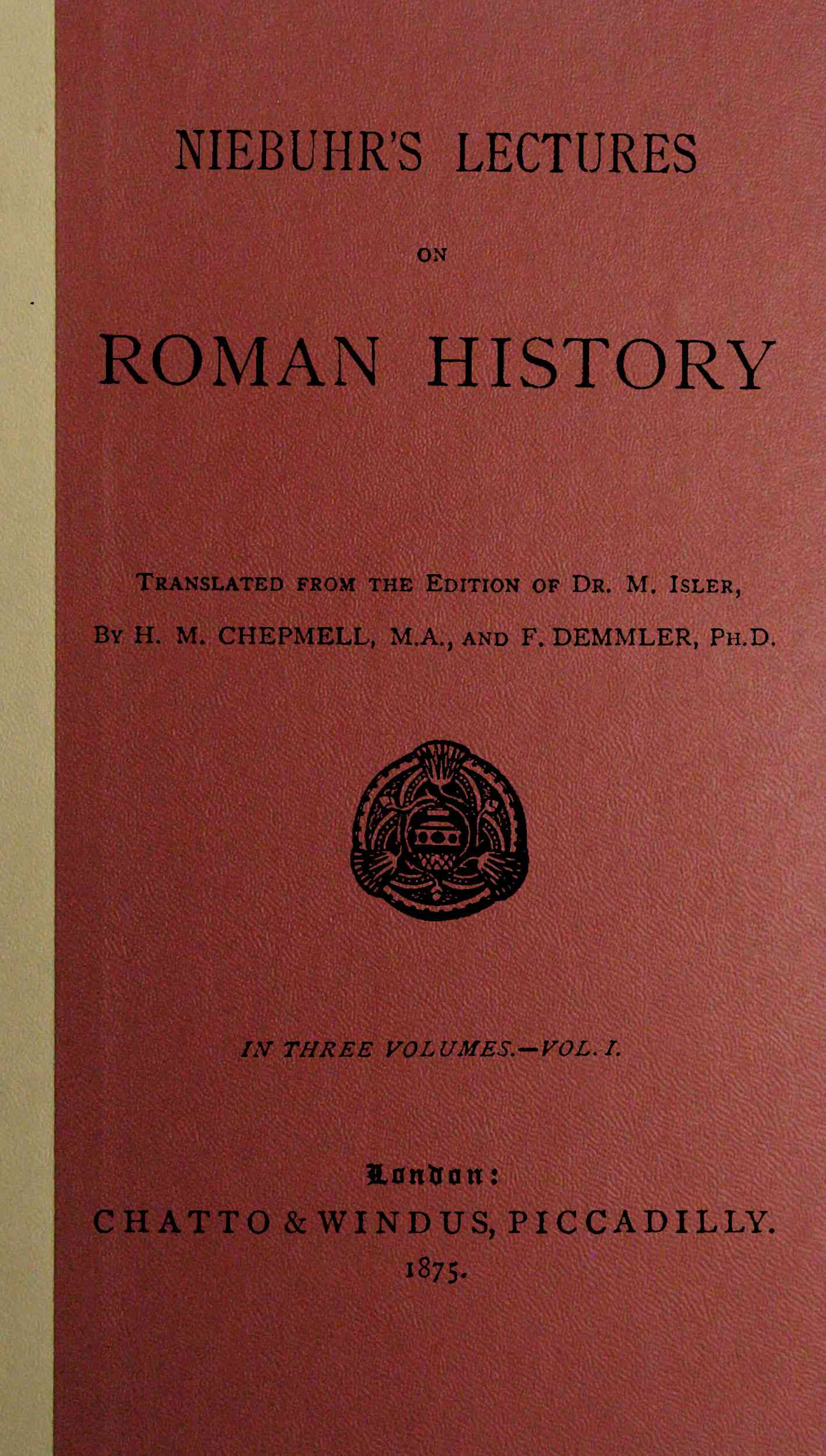
Niebuhr's Lectures on Roman History, Vol. 1 (of 3)
1875
Translated by Havilland Le Mesurier Chepmell
Niebuhr's Lectures on Roman History, first published in 1875, is a collection of lectures that examines the origins and early development of Roman history. Barthold Georg Niebuhr blends critical analysis with narrative, providing insights into historical sources and influential figures of ancient Rome. This volume emphasizes the importance of scrutinizing historical accounts and the contributions of early Roman writers, setting the stage for a comprehensive understanding of Rome's past and its legacy.
Editions
X-Ray
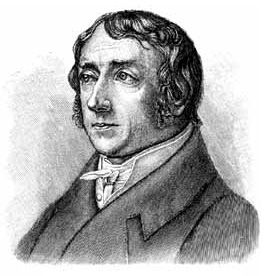
The author and lecturer whose critical analysis of Roman history forms the foundation of this work. A pioneering historian who applied rigorous scholarly methods to ancient sources.
Legendary founder of Rome, depicted as son of Mars and Rea Silvia. Niebuhr treats him as a poetical personification rather than historical figure.
Twin brother of Romulus who founded the rival settlement of Remuria. Killed by Celer for mocking Rome's boundaries.
Second king of Rome, representing the peaceful Sabine element. Associated with religious reforms and marriage to the goddess Egeria.
About Niebuhr's Lectures on Roman History, Vol. 1 (of 3)
Chapter Summaries
- Introduction
- Niebuhr establishes Roman history's unique importance among ancient histories, arguing it combines political perfection, military might, and intellectual achievement. He outlines the scope of covering twelve centuries of Roman development.
- Sources
- Comprehensive analysis of ancient sources for Roman history, from the Annales Maximi to later historians like Livy and Tacitus. Niebuhr evaluates the credibility and biases of each source, establishing the foundation for critical historical analysis.
- Early History Origins
- Niebuhr argues that early Roman history originated from ancient songs and lays rather than factual records. He demonstrates the poetical nature of early traditions and how they were later historicized by annalists.
Key Themes
- Historical Criticism vs. Traditional Narrative
- Niebuhr challenges centuries of accepted Roman historical narrative, arguing that much early history is poetical rather than factual. He demonstrates how critical analysis can separate authentic elements from later inventions.
- The Development of Constitutional Government
- The work traces the evolution of Roman political institutions from monarchy through the establishment of the Republic. Niebuhr emphasizes the gradual, organic development of Roman constitutional forms.
- Social Class and Political Power
- The relationship between patricians and plebeians forms a central theme, with Niebuhr analyzing how different social orders emerged and competed for political influence in early Rome.
Characters
- Barthold Georg Niebuhr(protagonist)
- The author and lecturer whose critical analysis of Roman history forms the foundation of this work. A pioneering historian who applied rigorous scholarly methods to ancient sources.
- Romulus(major)
- Legendary founder of Rome, depicted as son of Mars and Rea Silvia. Niebuhr treats him as a poetical personification rather than historical figure.
- Remus(major)
- Twin brother of Romulus who founded the rival settlement of Remuria. Killed by Celer for mocking Rome's boundaries.
- Numa Pompilius(major)
- Second king of Rome, representing the peaceful Sabine element. Associated with religious reforms and marriage to the goddess Egeria.
- Tullus Hostilius(major)
- Third king of Rome who destroyed Alba Longa. Represents the beginning of more historical accounts according to Niebuhr.
- Ancus Marcius(major)
- Fourth king of Rome, grandson of Numa. Founded Ostia and settled Latin populations on the Aventine, beginning the plebeian class.
Link to this book
Add a free, dofollow link to Lex on your blog, forum, syllabus, or reading list.

<a href="https://lex-books.com/book/niebuhr-s-lectures-on-roman-history-vol-1-of-3-74e0ecfa-7946-45f9-bd4a-551f96e0454d"><img src="https://lex-books.com/badges/read-on-lex.svg" alt="Read Niebuhr's Lectures on Roman History, Vol. 1 (of 3) by Barthold Georg Niebuhr free on Lex" width="160" height="40"></a>[](https://lex-books.com/book/niebuhr-s-lectures-on-roman-history-vol-1-of-3-74e0ecfa-7946-45f9-bd4a-551f96e0454d)[url=https://lex-books.com/book/niebuhr-s-lectures-on-roman-history-vol-1-of-3-74e0ecfa-7946-45f9-bd4a-551f96e0454d][img]https://lex-books.com/badges/read-on-lex.svg[/img][/url]Read Niebuhr's Lectures on Roman History, Vol. 1 (of 3) by Barthold Georg Niebuhr free on Lex: https://lex-books.com/book/niebuhr-s-lectures-on-roman-history-vol-1-of-3-74e0ecfa-7946-45f9-bd4a-551f96e0454dCite this book
Reading this edition for a paper or guide? Copy a citation.
Niebuhr, Barthold Georg. Niebuhr's Lectures on Roman History, Vol. 1 (of 3). Lex, lex-books.com/book/niebuhr-s-lectures-on-roman-history-vol-1-of-3-74e0ecfa-7946-45f9-bd4a-551f96e0454d.Niebuhr, B. G. (1875). Niebuhr's Lectures on Roman History, Vol. 1 (of 3). Lex. https://lex-books.com/book/niebuhr-s-lectures-on-roman-history-vol-1-of-3-74e0ecfa-7946-45f9-bd4a-551f96e0454dNiebuhr, Barthold Georg. Niebuhr's Lectures on Roman History, Vol. 1 (of 3). Lex. https://lex-books.com/book/niebuhr-s-lectures-on-roman-history-vol-1-of-3-74e0ecfa-7946-45f9-bd4a-551f96e0454d.