
B. L. Hutchins
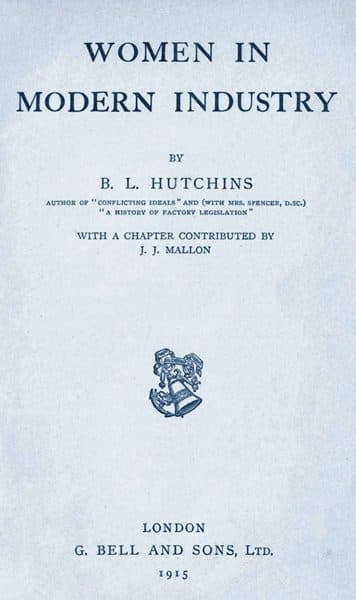
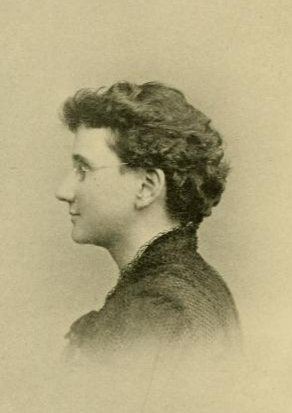
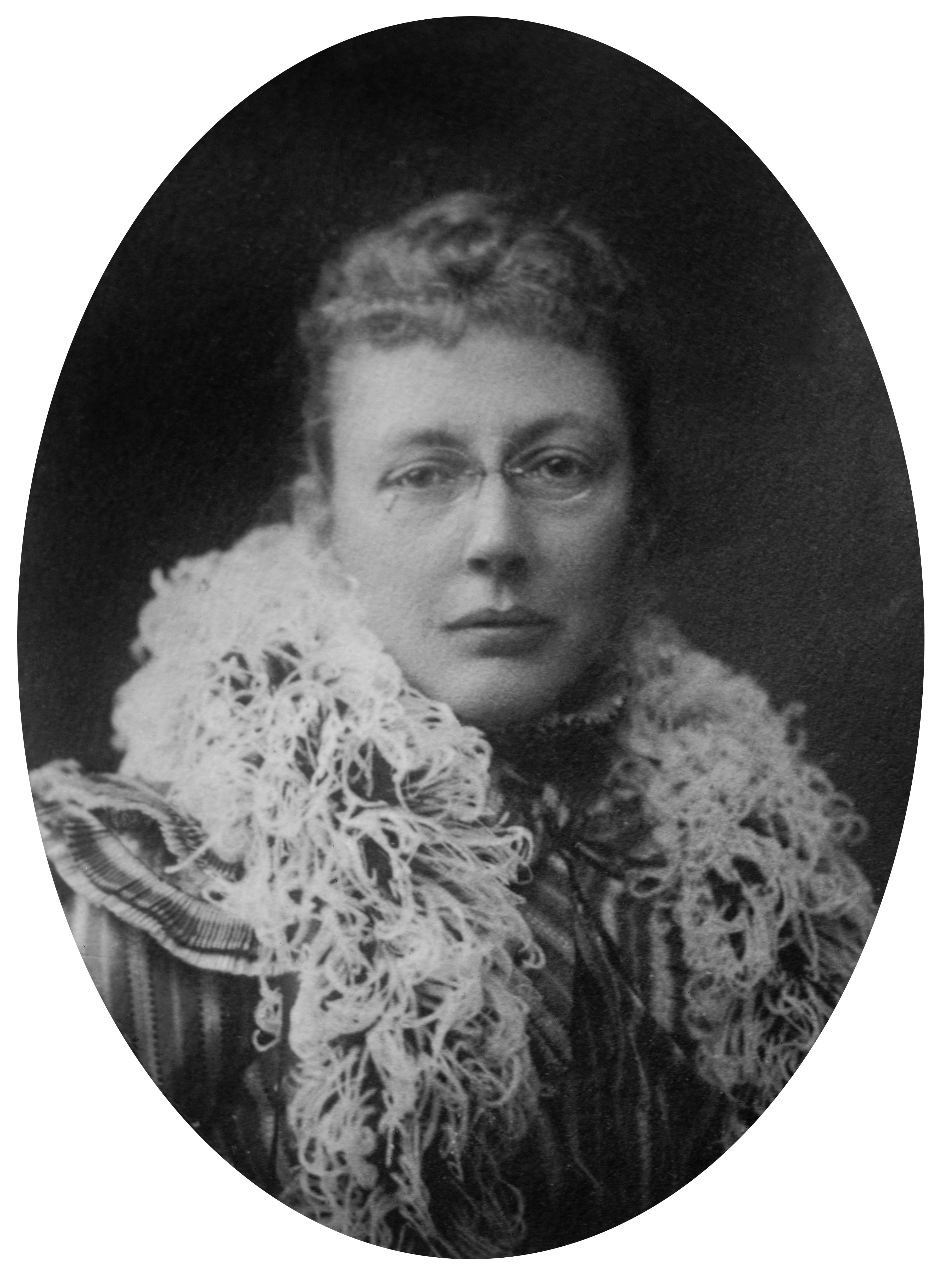
B. L. Hutchins, born Elizabeth Leigh Hutchins, was a pioneering British social researcher and socialist activist whose work significantly impacted women's labor rights in the early 20th century. Raised in London and educated at prestigious institutions such as King's College and the London School of Economics, Hutchins became deeply involved in socialist movements, joining the Women's Industrial Council in 1899 and the Fabian Society the following year. Her commitment to advocating for women's rights in the workplace led her to produce over twenty influential works, including 'History of Factory Legislation' and 'Women in Modern Industry.' In these writings, she not only promoted the need for protective legislation for women workers, such as minimum wage laws, but also critiqued the stances of some middle-class feminists who resisted such reforms. Hutchins's role in the Fabian Society from 1907 to 1912 and her lectures at King's College further established her as a key figure in the fight for social justice. Her efforts helped lay the groundwork for future advancements in labor rights and women's equality in the workforce. Through her research and activism, Hutchins contributed to the broader discourse on socialism and women's rights, leaving a legacy that continues to inspire social reformers today.
Books from the author


Link to this page
Add a free, dofollow link to Lex on your blog, forum, syllabus, or reading list.

<a href="https://lex-books.com/author/b-l-hutchins"><img src="https://lex-books.com/badges/read-on-lex.svg" alt="B. L. Hutchins on Lex" width="160" height="40"></a>[](https://lex-books.com/author/b-l-hutchins)[url=https://lex-books.com/author/b-l-hutchins][img]https://lex-books.com/badges/read-on-lex.svg[/img][/url]B. L. Hutchins on Lex: https://lex-books.com/author/b-l-hutchins