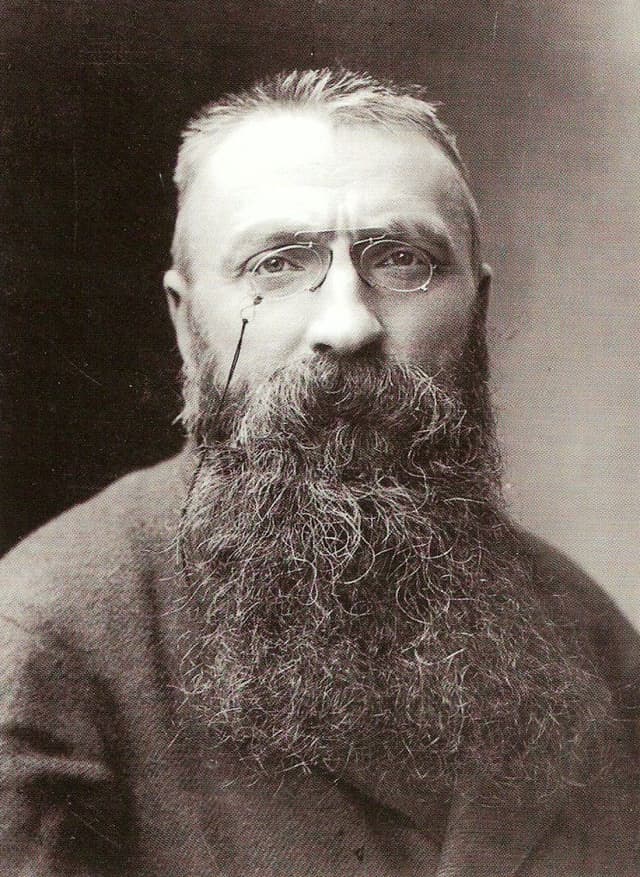
Auguste Rodin
Auguste Rodin was a pioneering French sculptor, widely regarded as the founder of modern sculpture. He approached his craft with a traditional schooling but infused it with a unique ability to capture the complexities of the human form. Rodin's notable works, including The Thinker, The Kiss, and The Burghers of Calais, broke away from the decorative and formulaic traditions of his time, focusing instead on naturalism and the celebration of individual character. His sculptures often sparked controversy due to their departure from conventional themes of mythology and allegory, yet he remained steadfast in his artistic vision, which ultimately garnered him acclaim from both the public and the artistic community. Rodin's reputation soared after his participation in the 1900 World's Fair, leading to commissions from wealthy patrons and collaborations with prominent intellectuals and artists. His relationship with fellow sculptor Camille Claudel, who was both his student and creative rival, further enriched his artistic legacy. Despite a decline in the popularity of his work following his death, Rodin's influence endured, solidifying his status as one of the most significant sculptors in history. His ability to convey emotion and movement in stone and bronze has left an indelible mark on the art world, ensuring that he remains a celebrated figure beyond the confines of visual arts.
Famous Quotes
View all 3 quotes“Nothing is a waste of time if you use the experience wisely.”
“Patience is also a form of action.”
“The main thing is to be moved, to love, to hope, to tremble, to live. Be a man before being an artist!”
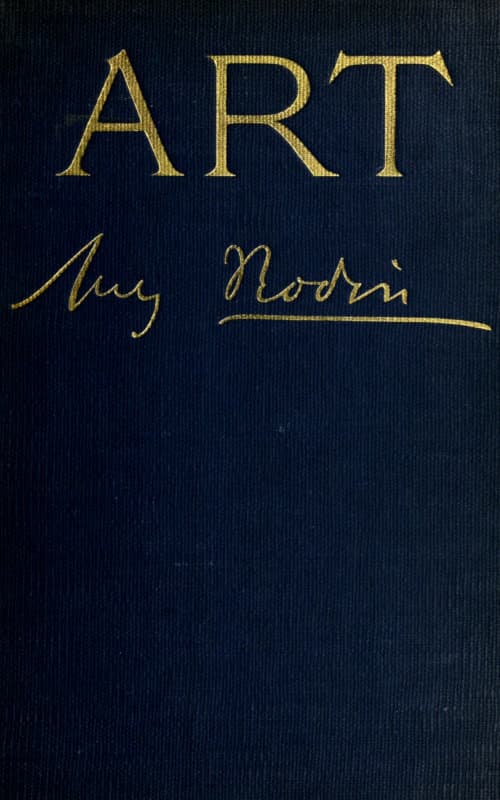
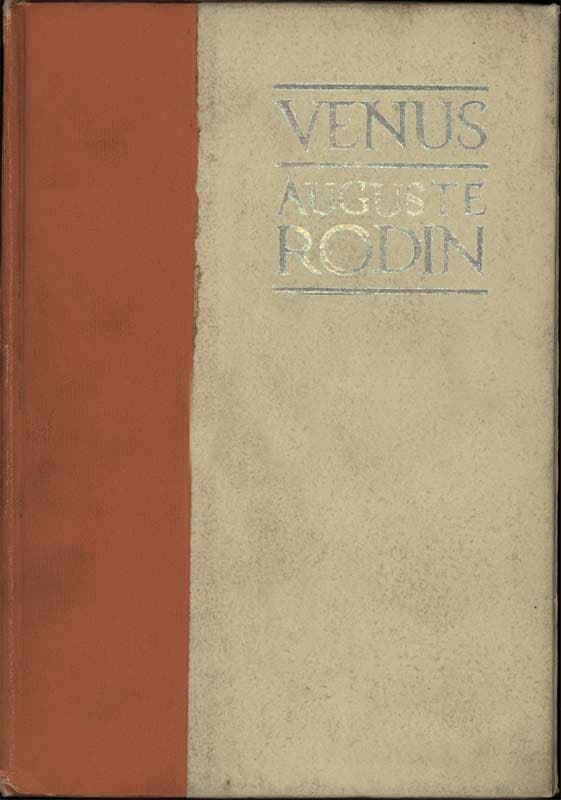
Books from the author







Link to this page
Add a free, dofollow link to Lex on your blog, forum, syllabus, or reading list.

<a href="https://lex-books.com/author/auguste-rodin"><img src="https://lex-books.com/badges/read-on-lex.svg" alt="Auguste Rodin on Lex" width="160" height="40"></a>[](https://lex-books.com/author/auguste-rodin)[url=https://lex-books.com/author/auguste-rodin][img]https://lex-books.com/badges/read-on-lex.svg[/img][/url]Auguste Rodin on Lex: https://lex-books.com/author/auguste-rodin