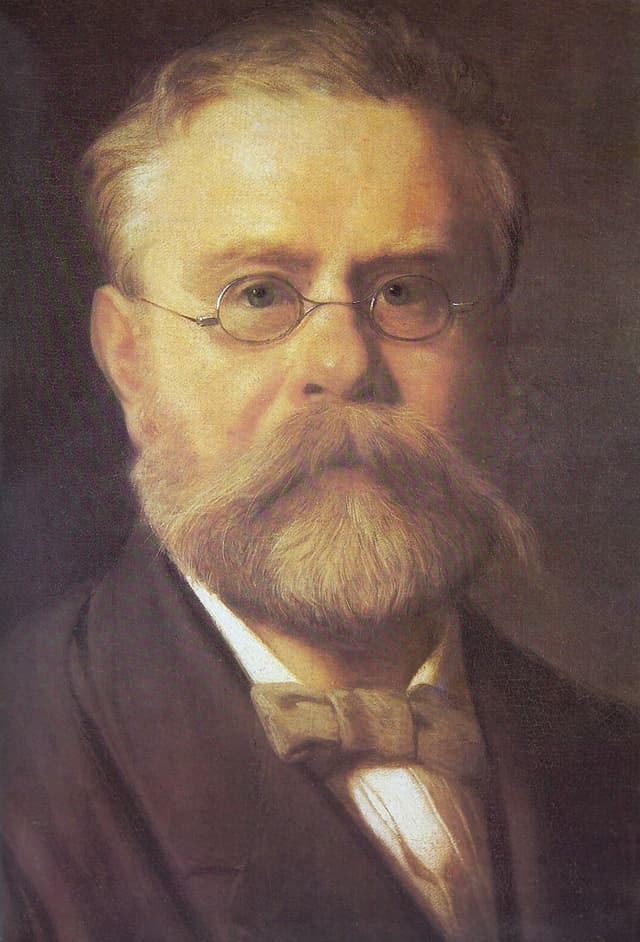
Fritz Reuter
Fritz Reuter was a significant figure in Northern German literature, known for his contributions to Low German writing. Born Heinrich Ludwig Christian Friedrich Reuter, he began his career as a novelist in the mid-19th century, capturing the essence of rural life and the dialect of his native Mecklenburg. His works often reflected the struggles and joys of the common people, showcasing a deep understanding of their culture and traditions. Notable among his writings are 'Ut de Franzosentid' and 'De Lütt Matten', both of which highlight his mastery of storytelling and his commitment to preserving the Low German language. Reuter's literary significance lies not only in his vivid portrayals of peasant life but also in his role as a cultural ambassador for the Low German dialect. He was instrumental in elevating the status of Low German literature, which had been overshadowed by High German works. His ability to weave humor and social commentary into his narratives made his stories relatable and enduring. Reuter's legacy continues to influence German literature, and he is remembered as a pioneer who championed regional identity and linguistic diversity in his writing.
Famous Quotes
View all 1 quotes“Ni jedan život ne teče tako jednoliko i blago da ne bi jednom udario na nasip, da se jednom ne bi počeo vrtjeti u krugu ili da mu ljudi ne bi počeli bacati kamenje u bistru vodu. Svakome se, dakle, nešto događa - i moramo nastojati da nam voda ostane bistra kako bi se nebo i zemlja mogli u njoj ogledati.”
Books from the author



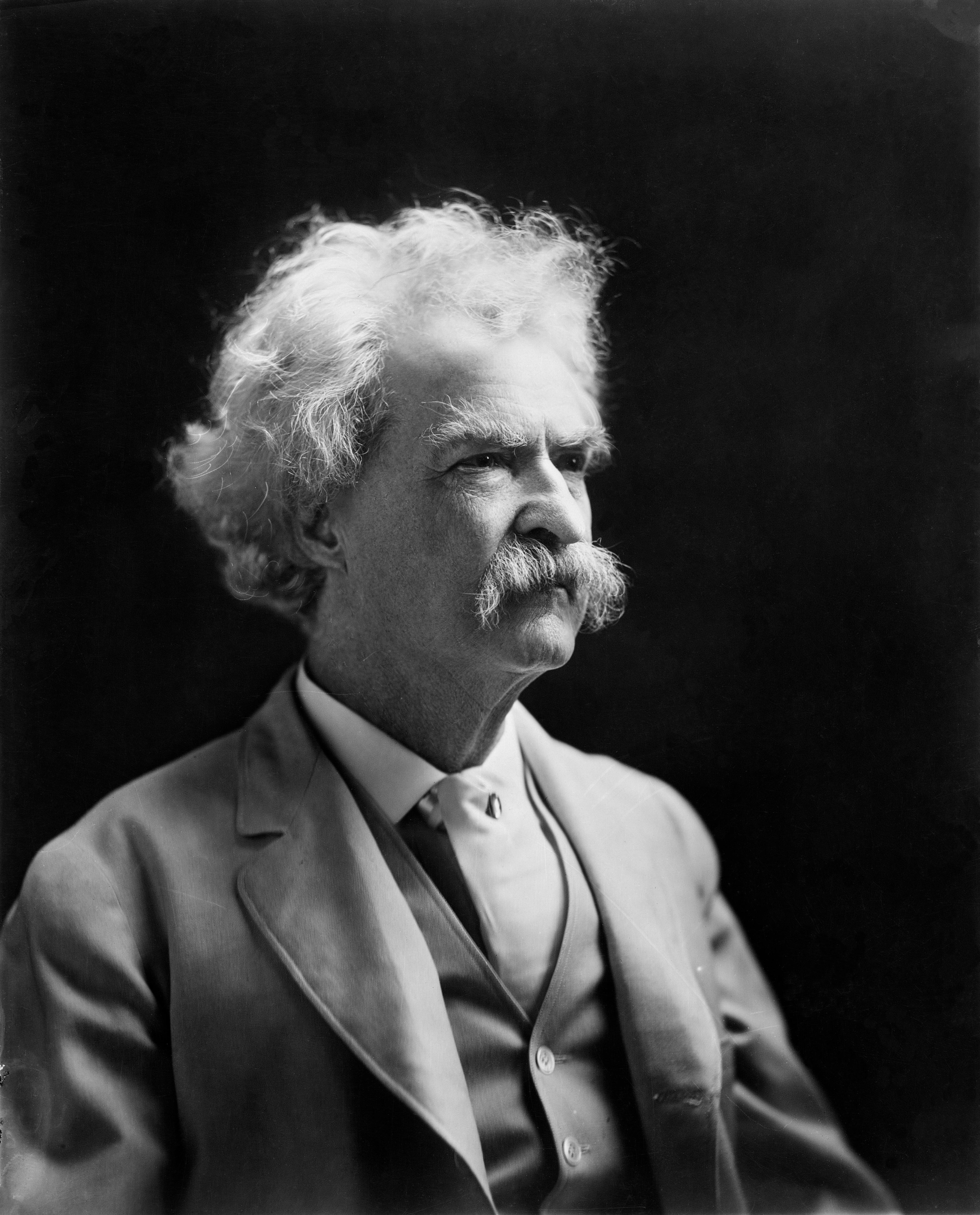
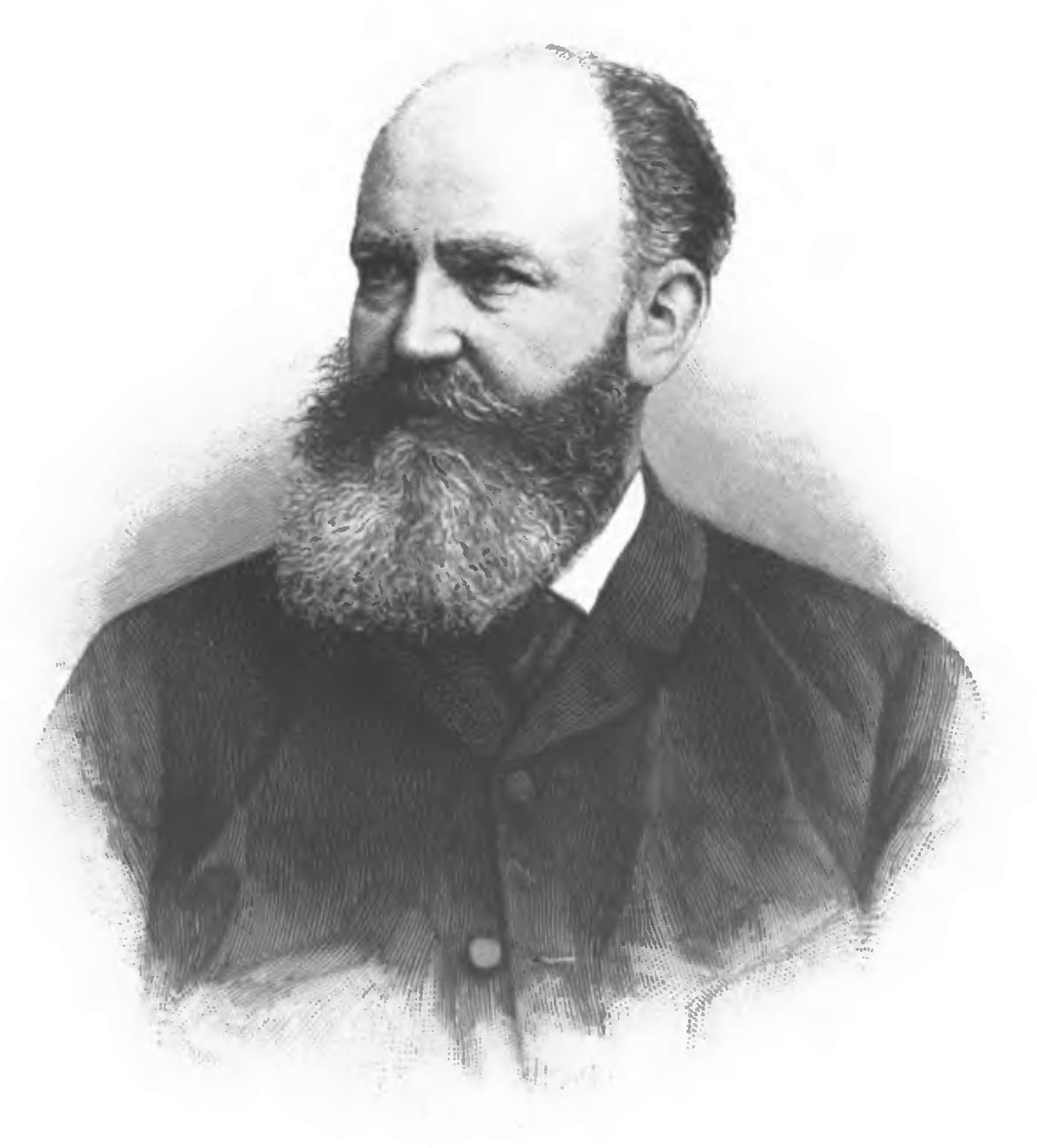
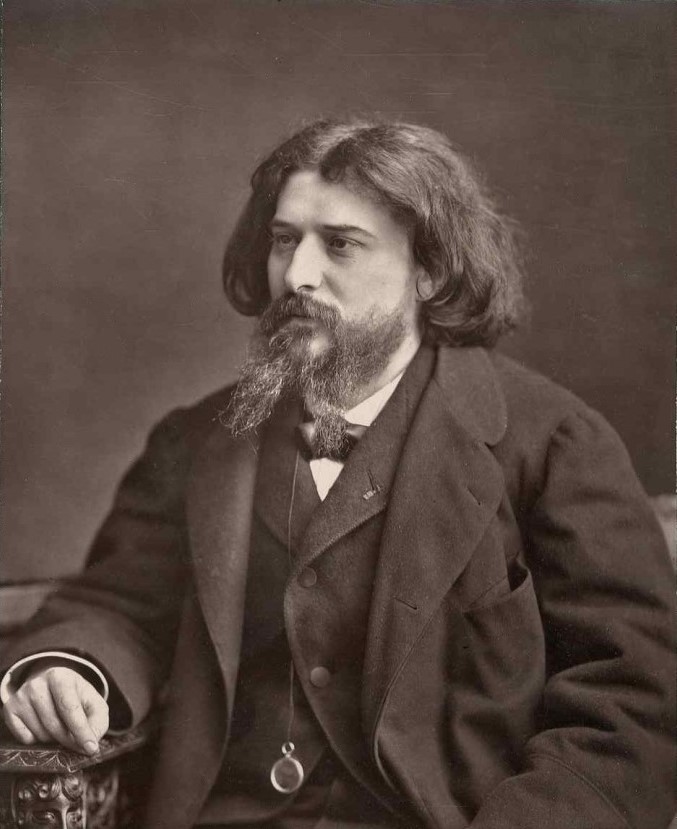
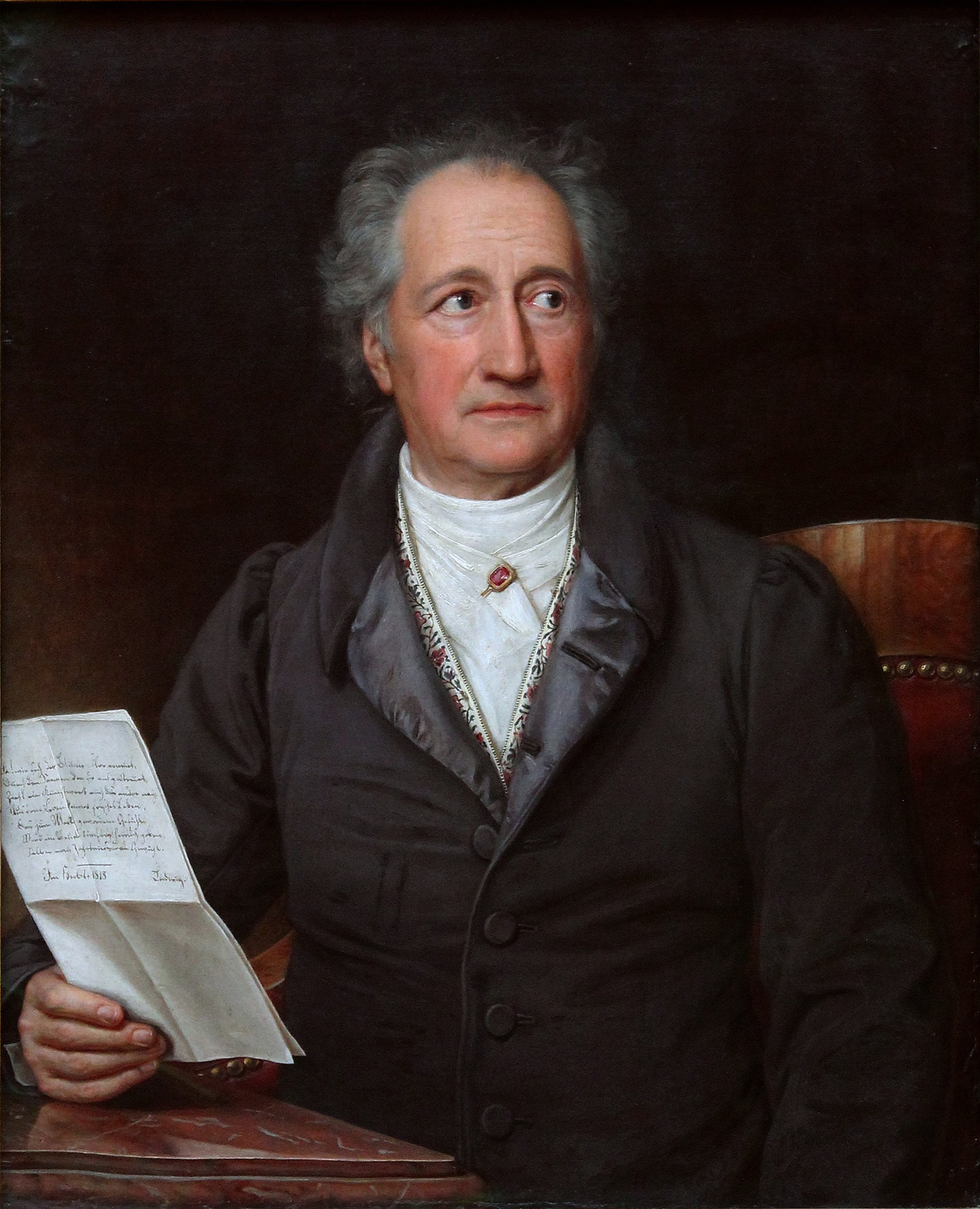
Link to this page
Add a free, dofollow link to Lex on your blog, forum, syllabus, or reading list.

<a href="https://lex-books.com/author/fritz-reuter"><img src="https://lex-books.com/badges/read-on-lex.svg" alt="Fritz Reuter on Lex" width="160" height="40"></a>[](https://lex-books.com/author/fritz-reuter)[url=https://lex-books.com/author/fritz-reuter][img]https://lex-books.com/badges/read-on-lex.svg[/img][/url]Fritz Reuter on Lex: https://lex-books.com/author/fritz-reuter