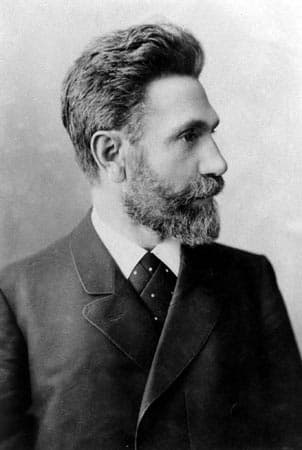
August Bebel
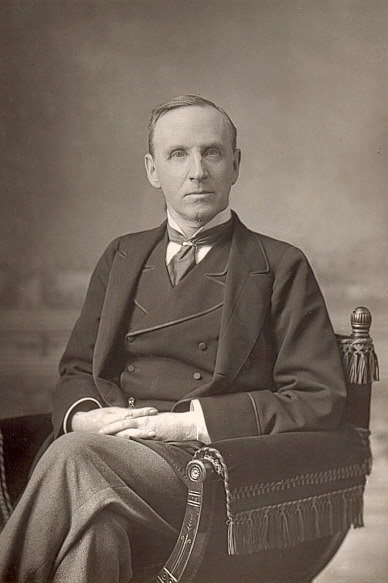
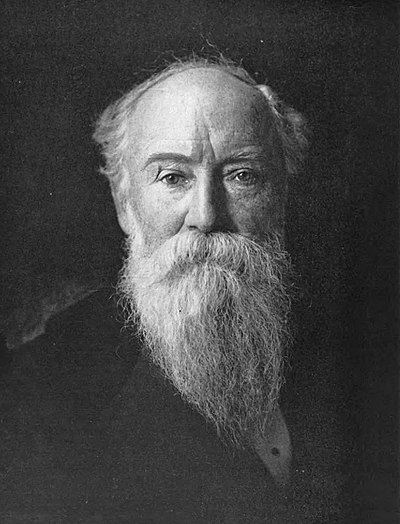
Ferdinand August Bebel was a prominent German socialist activist and politician, recognized as a founding figure of the Social Democratic Workers' Party of Germany (SDAP) in 1869. His early life was marked by hardship; born into poverty in Prussia and orphaned at a young age, he apprenticed as a woodturner, which exposed him to the struggles of the working class. This background fueled his commitment to socialist politics in the 1860s, where he emerged as a leading voice against the nationalist and state-oriented socialism of his time, advocating for a more orthodox Marxist and internationalist approach alongside fellow socialist Wilhelm Liebknecht. Bebel's political career was characterized by his steadfast opposition to the annexation of Alsace-Lorraine during the Franco-Prussian War, which resulted in a conviction for high treason in 1872. Throughout his four-decade leadership of the German workers' movement, Bebel played a crucial role during the Anti-Socialist Laws (1878–1890), guiding the Social Democratic Party (SPD) through a period of severe repression. He was instrumental in maintaining party unity and establishing its official newspaper, Der Sozialdemokrat. Following the repeal of the Anti-Socialist Laws, Bebel oversaw the SPD's transformation into a mass party and contributed to the drafting of the influential Erfurt Program in 1891. His advocacy for women's rights, particularly through his seminal work, Woman and Socialism, cemented his legacy as a key figure in the socialist movement, where he balanced the defense of orthodox Marxist principles with a pragmatic approach to reform in the Reichstag.
Famous Quotes
View all 1 quotes“In time of war the loudest patriots are the greatest profiteers.”
Books from the author








Link to this page
Add a free, dofollow link to Lex on your blog, forum, syllabus, or reading list.

<a href="https://lex-books.com/author/august-bebel"><img src="https://lex-books.com/badges/read-on-lex.svg" alt="August Bebel on Lex" width="160" height="40"></a>[](https://lex-books.com/author/august-bebel)[url=https://lex-books.com/author/august-bebel][img]https://lex-books.com/badges/read-on-lex.svg[/img][/url]August Bebel on Lex: https://lex-books.com/author/august-bebel