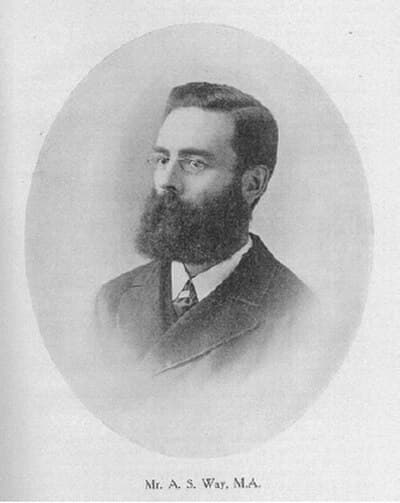
Arthur S. Way
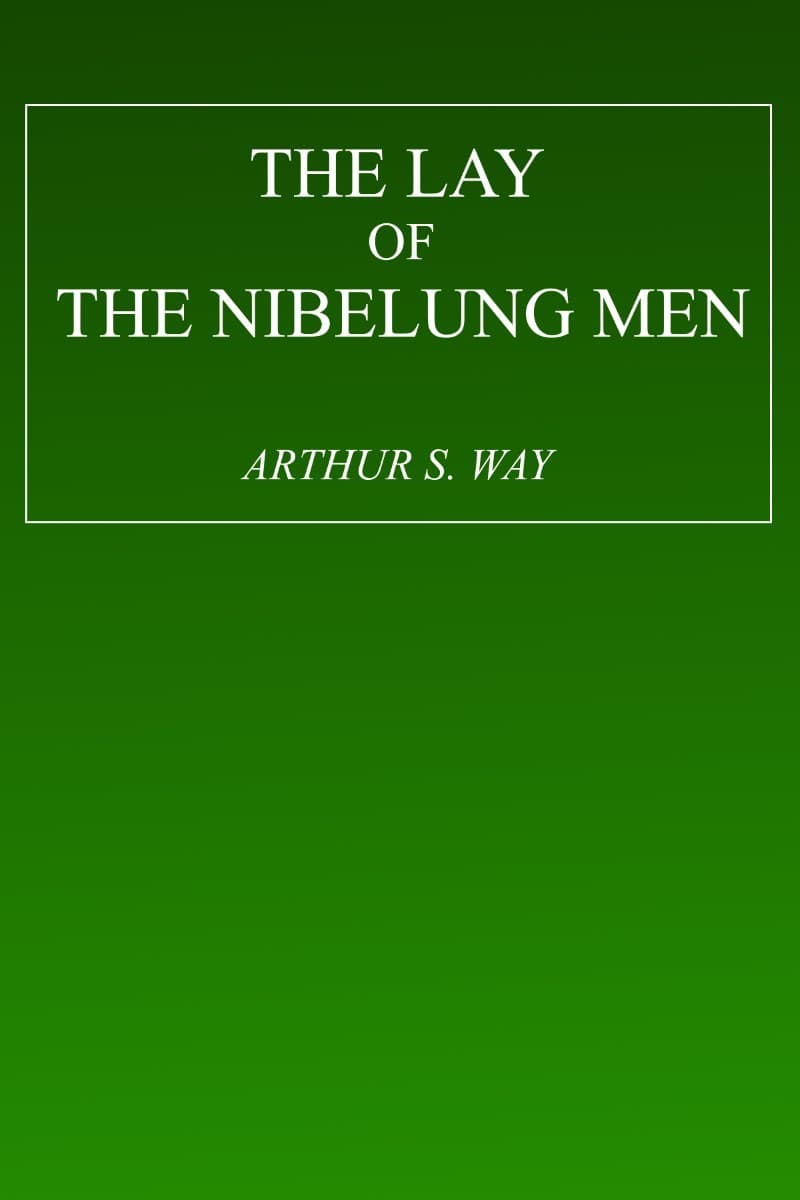
Arthur S. Way was a British poet and translator, renowned for his contributions to the field of literature through his translations of classical works. He is particularly noted for his translation of 'The Lay of the Nibelung Men,' which brought the epic Germanic tale of the Nibelungenlied to an English-speaking audience. Way's work is characterized by its lyrical quality and fidelity to the original text, making it accessible while retaining the essence of the source material. In addition to his translation work, Way was involved in the literary community of his time, contributing to various literary journals and engaging with contemporary literary movements. His translations not only helped to popularize the Nibelungenlied but also influenced subsequent generations of poets and translators who sought to bridge the gap between ancient texts and modern readers. Way's legacy lies in his ability to convey the richness of epic storytelling through his poetic sensibilities, ensuring that these timeless tales continue to resonate with audiences today.
Famous Quotes
View all 5 quotes“When we read, another person thinks for us: we merely repeat his mental process. In learning to write, the pupil goes over with his pen what the teacher has outlined in pencil: so in reading; the greater part of the work of thought is already done for us. This is why it relieves us to take up a book after being occupied with our own thoughts. And in reading, the mind is, in fact, only the playground of another’s thoughts. So it comes about that if anyone spends almost the whole day in reading, and by way of relaxation devotes the intervals to some thoughtless pastime, he gradually loses the capacity for thinking; just as the man who always rides, at last forgets how to walk. This is the case with many learned persons: they have read themselves stupid.””
“Nobody dast blame this man. You don’t understand: Willy was a salesman. And for a salesman, there’s no rock bottom to the life. He don’t put a bolt to a nut, he don’t tell you the law or give you medicine. He’s a man way out there in the blue riding on a smile and a shoeshine. And when they start not smiling back”
“If human nature were not base, but thoroughly honourable, we should in every debate have no other aim than the discovery of truth; we should not in the least care whether the truth proved to be in favour of the opinion which we had begun by expressing, or of the opinion of our adversary. That we should regard as a matter of no moment, or, at any rate, of very secondary consequence; but, as things are, it is the main concern. Our innate vanity, which is particularly sensitive in reference to our intellectual powers, will not suffer us to allow that our first position was wrong and our adversary’s right. The way out of this difficulty would be simply to take the trouble always to form a correct judgment. For this a man would have to think before he spoke. But, with most men, innate vanity is accompanied by loquacity and innate dishonesty. They speak before they think; and even though they may afterwards perceive that they are wrong, and that what they assert is false, they want it to seem thecontrary. The interest in truth, which may be presumed to have been their only motive when they stated the proposition alleged to be true, now gives way to the interests of vanity: and so, for the sake of vanity, what is true must seem false, and what is false must seem true.””
Books from the author



Link to this page
Add a free, dofollow link to Lex on your blog, forum, syllabus, or reading list.

<a href="https://lex-books.com/author/arthur-s-way"><img src="https://lex-books.com/badges/read-on-lex.svg" alt="Arthur S. Way on Lex" width="160" height="40"></a>[](https://lex-books.com/author/arthur-s-way)[url=https://lex-books.com/author/arthur-s-way][img]https://lex-books.com/badges/read-on-lex.svg[/img][/url]Arthur S. Way on Lex: https://lex-books.com/author/arthur-s-way