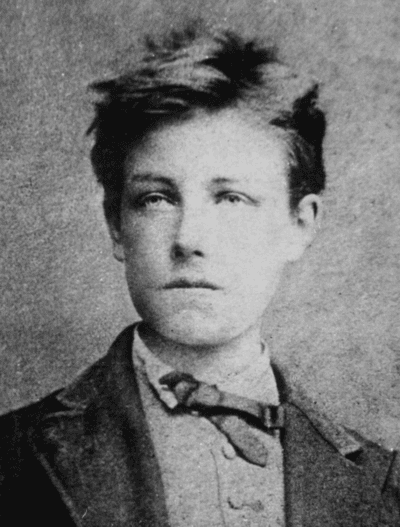
Arthur Rimbaud
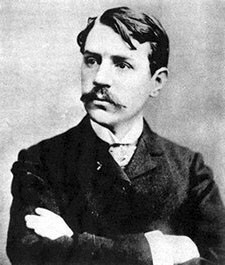
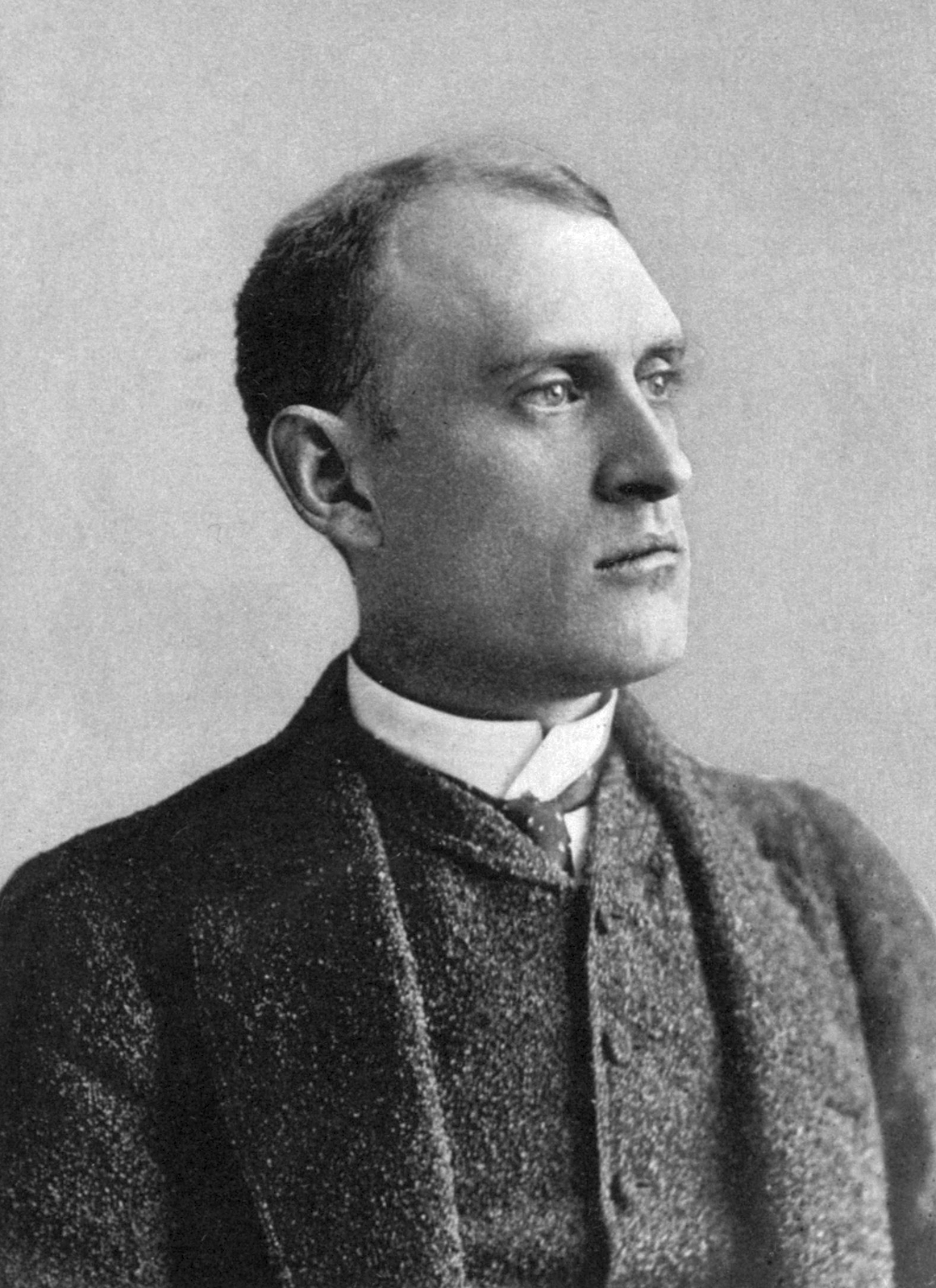
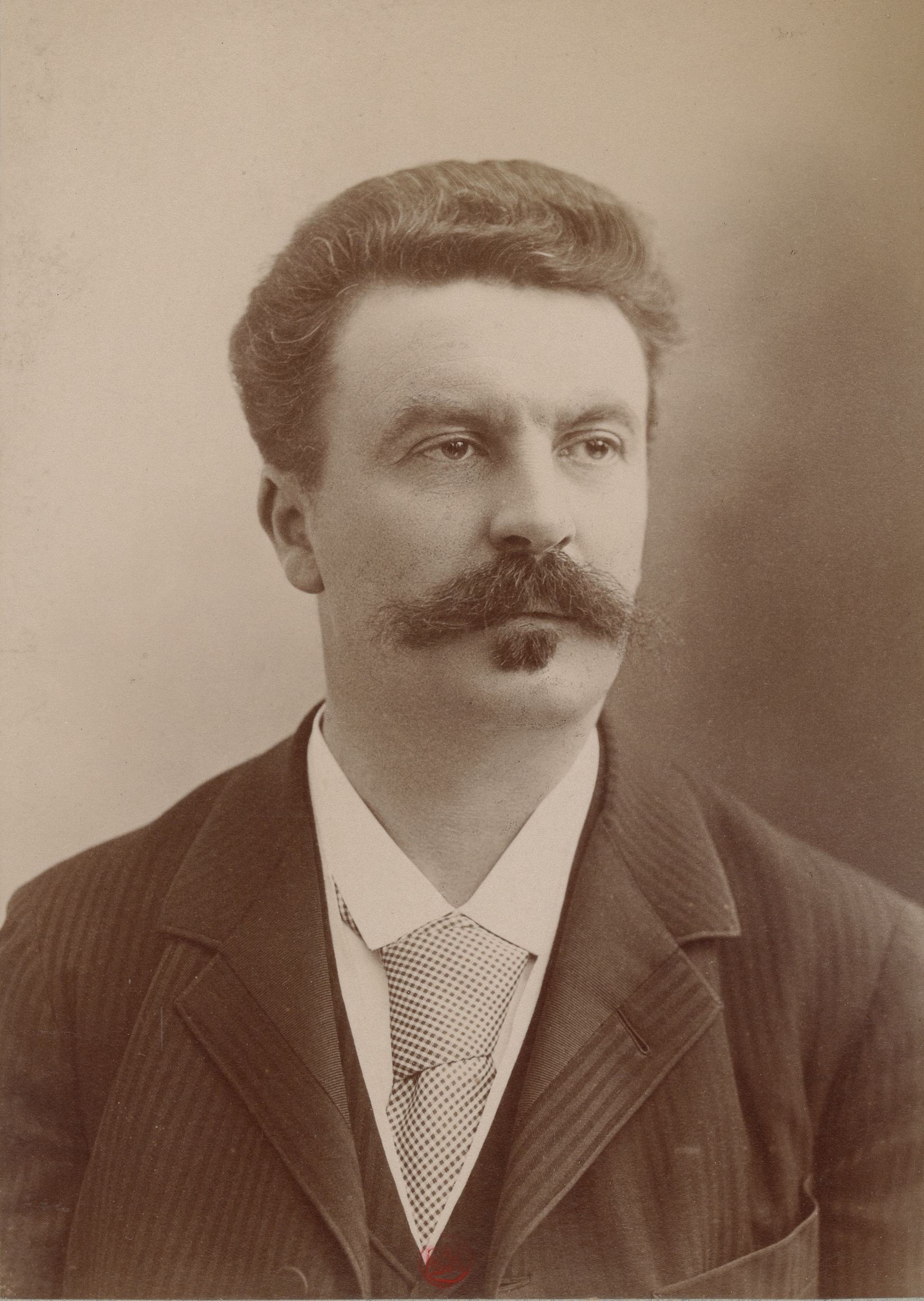
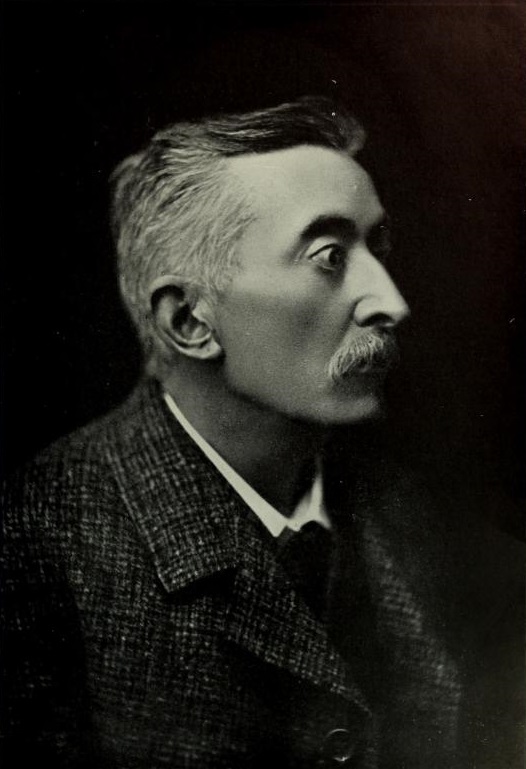
Arthur Rimbaud was a groundbreaking French poet whose innovative and often transgressive themes reshaped the landscape of modern literature. Born in Charleville, he demonstrated exceptional literary talent from a young age but chose to abandon formal education to pursue a bohemian lifestyle in Paris during the tumultuous Franco-Prussian War. Rimbaud's most prolific years were spent in his late teens and early twenties, during which he produced seminal works such as 'A Season in Hell' and 'Illuminations.' These writings not only showcased his mastery of symbolism but also prefigured the surrealist movement, influencing countless writers and artists who followed. Rimbaud's life was as tumultuous as his poetry. His passionate and often volatile relationship with fellow poet Paul Verlaine became a defining aspect of his early adulthood, marked by both creative collaboration and personal strife. Remarkably, Rimbaud ceased writing altogether by the age of twenty, choosing instead to embark on a life of travel and adventure as a merchant and explorer across three continents. Despite his brief literary career, Rimbaud's legacy endures, with his works continuing to inspire and challenge the boundaries of poetic expression long after his untimely death from cancer at the age of thirty-seven.
Famous Quotes
View all 3 quotes“Genius is the recovery of childhood at will.”
“I turned silences and nights into words. What was unutterable, I wrote down. I made the whirling world stand still.”
“I believe I am in Hell, therefore I am.”
Books from the author







Link to this page
Add a free, dofollow link to Lex on your blog, forum, syllabus, or reading list.

<a href="https://lex-books.com/author/arthur-rimbaud"><img src="https://lex-books.com/badges/read-on-lex.svg" alt="Arthur Rimbaud on Lex" width="160" height="40"></a>[](https://lex-books.com/author/arthur-rimbaud)[url=https://lex-books.com/author/arthur-rimbaud][img]https://lex-books.com/badges/read-on-lex.svg[/img][/url]Arthur Rimbaud on Lex: https://lex-books.com/author/arthur-rimbaud