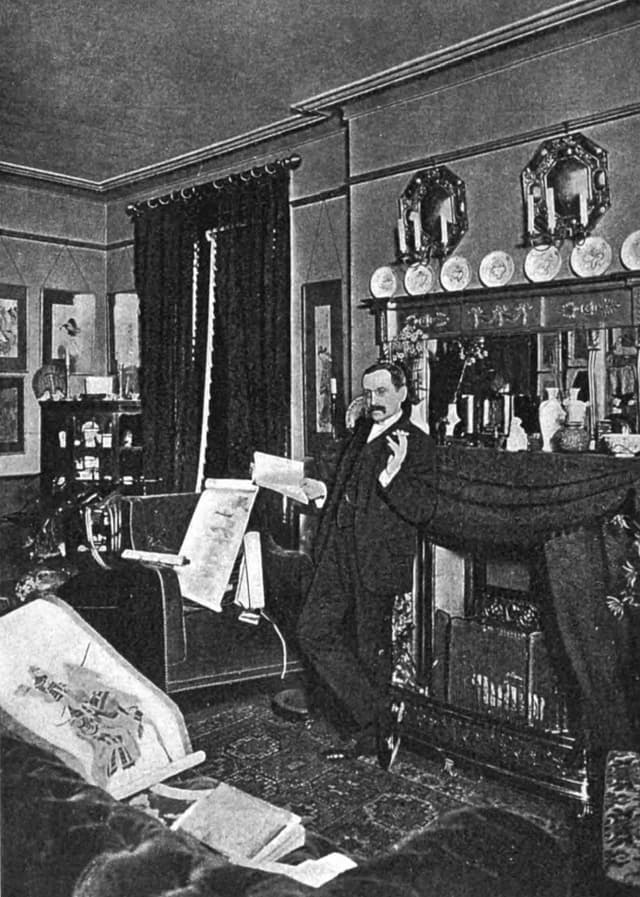
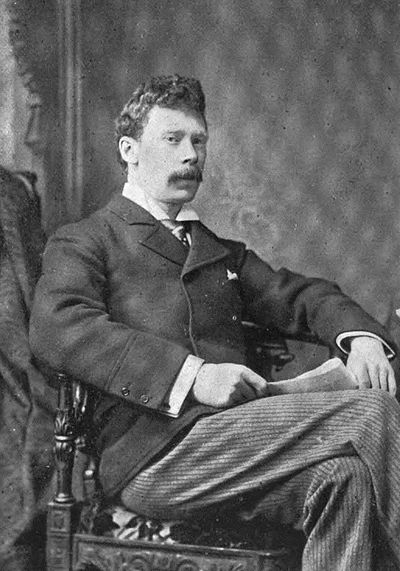
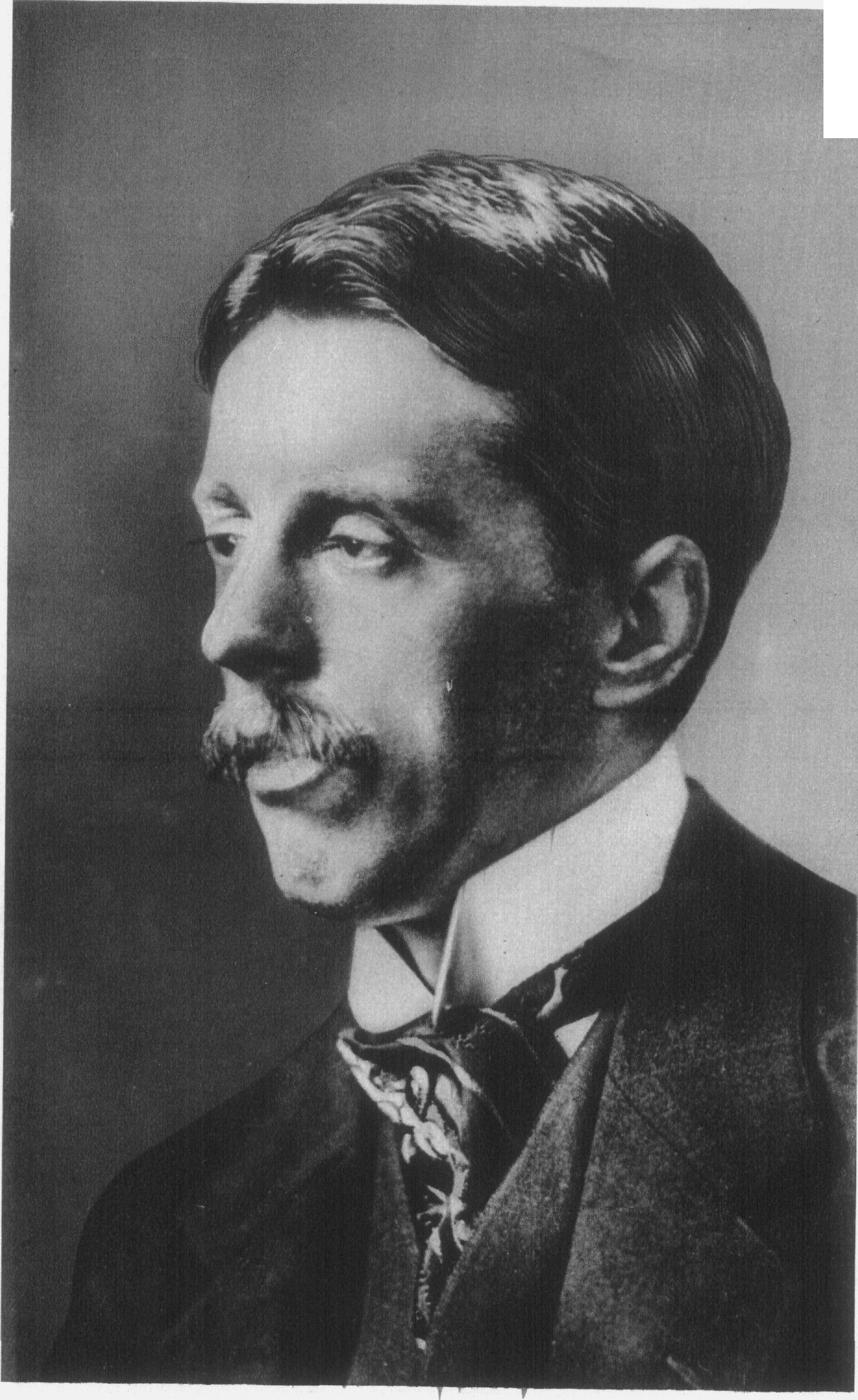
Arthur Morrison
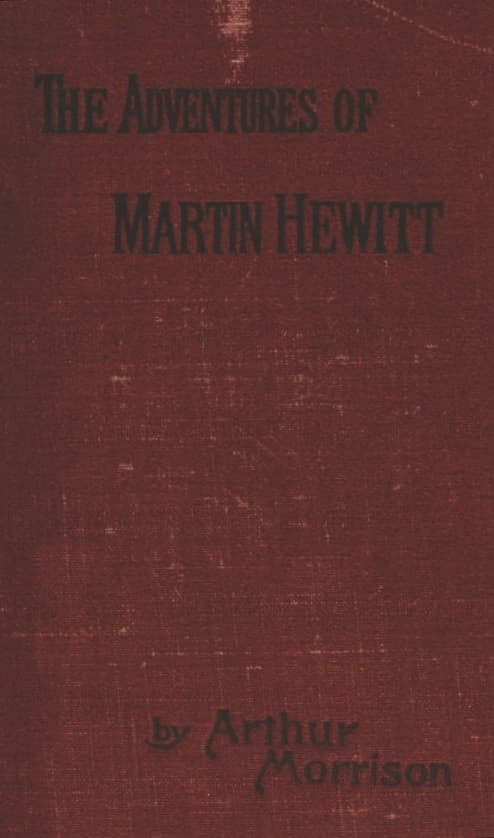
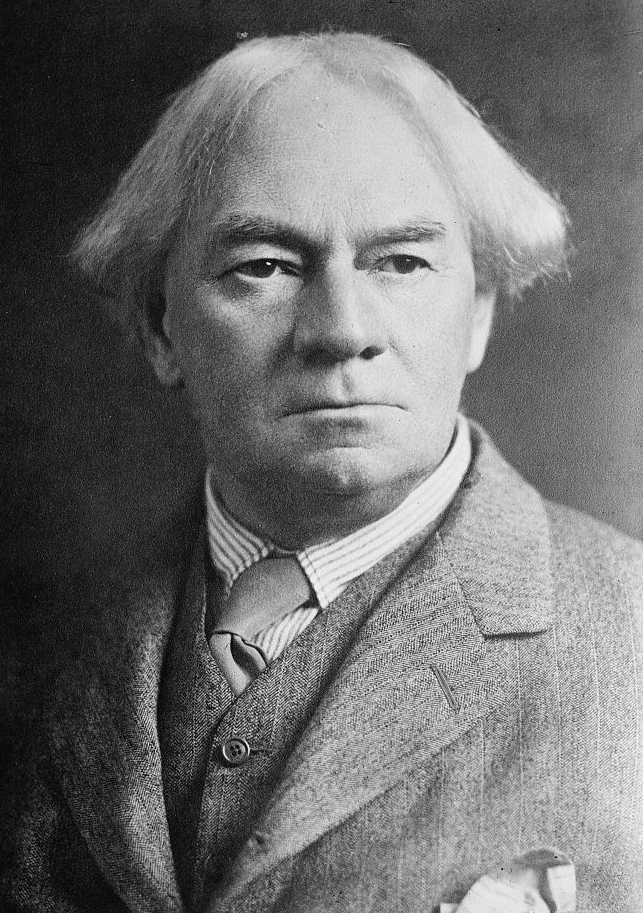
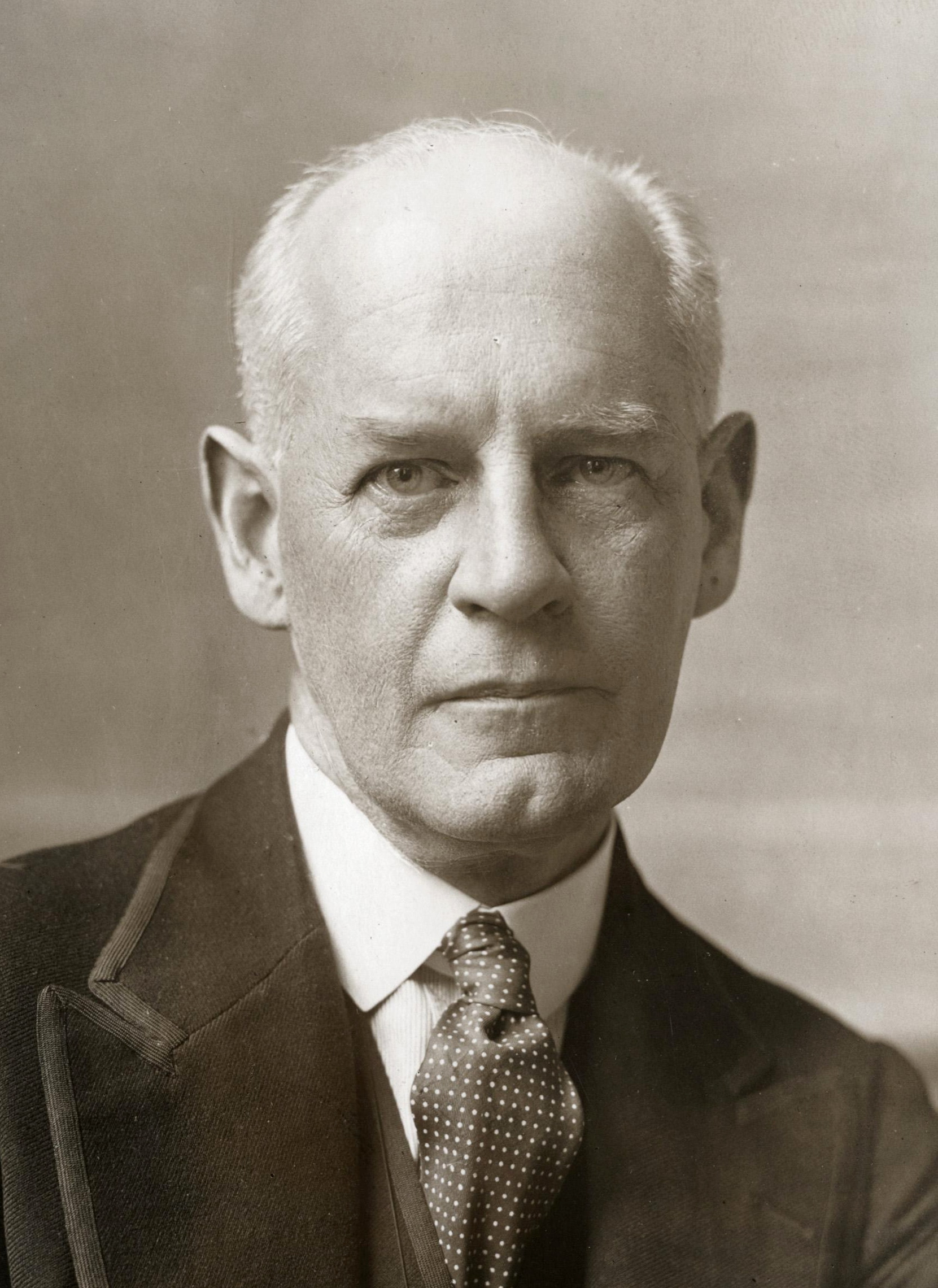
Arthur Morrison was an English writer and journalist renowned for his realistic portrayals of working-class life in London's East End. His most notable work, 'A Child of the Jago' (1896), delves into the harsh realities faced by the impoverished, offering a stark and unflinching view of urban life. Morrison's narratives often highlighted the struggles and resilience of the lower classes, setting a precedent for later social realist literature. In addition to his fiction, Morrison contributed to the detective genre with stories featuring the detective Martin Hewitt, which showcased his ability to weave intricate plots with a keen eye for detail. Beyond literature, he was an avid collector of Japanese art, publishing several works on the subject, and his collection significantly enriched the British Museum. Morrison's literary legacy lies in his commitment to realism and social commentary, influencing future generations of writers who sought to illuminate the lives of the marginalized in society.
Famous Quotes
View all 3 quotes“But here Billy Chope arrived to demand what the 'ell Sam Cardew was doing with his gal. Now Sam was ever readier for a fight than Billy was; but the sum of Billy's half pints was large: wherefore the fight began. On the skirt of a hilarious ring Lizerunt, after some small outcry, triumphed aloud. Four days before, she had no bloke; and here she stood with two, and those two fighting for her! Here in the public gaze, on the Flats! For almost five minutes she was Helen of Troy.”
“They firmly believe it to be the sole function of art to minister to their personal comfort — as upholstery does.”
“there came a hoot or two, a ‘Yah!’ and other less spellable sounds,”
Books from the author

Link to this page
Add a free, dofollow link to Lex on your blog, forum, syllabus, or reading list.

<a href="https://lex-books.com/author/arthur-morrison"><img src="https://lex-books.com/badges/read-on-lex.svg" alt="Arthur Morrison on Lex" width="160" height="40"></a>[](https://lex-books.com/author/arthur-morrison)[url=https://lex-books.com/author/arthur-morrison][img]https://lex-books.com/badges/read-on-lex.svg[/img][/url]Arthur Morrison on Lex: https://lex-books.com/author/arthur-morrison