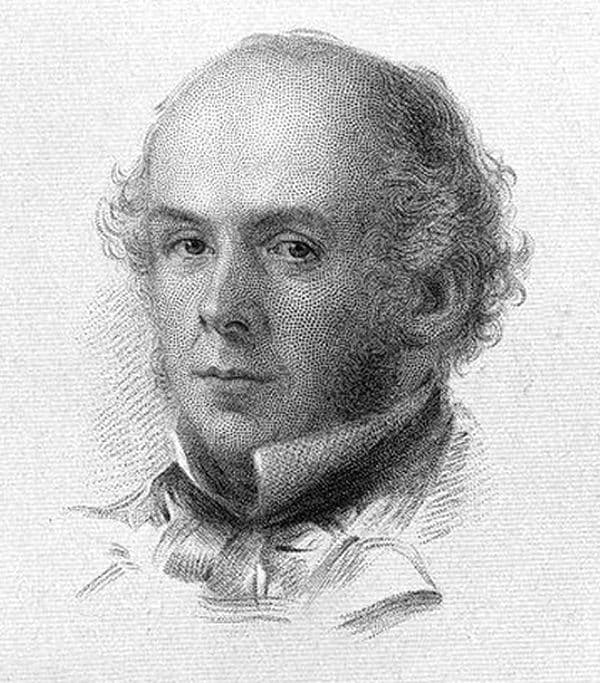
Arthur Hugh Clough
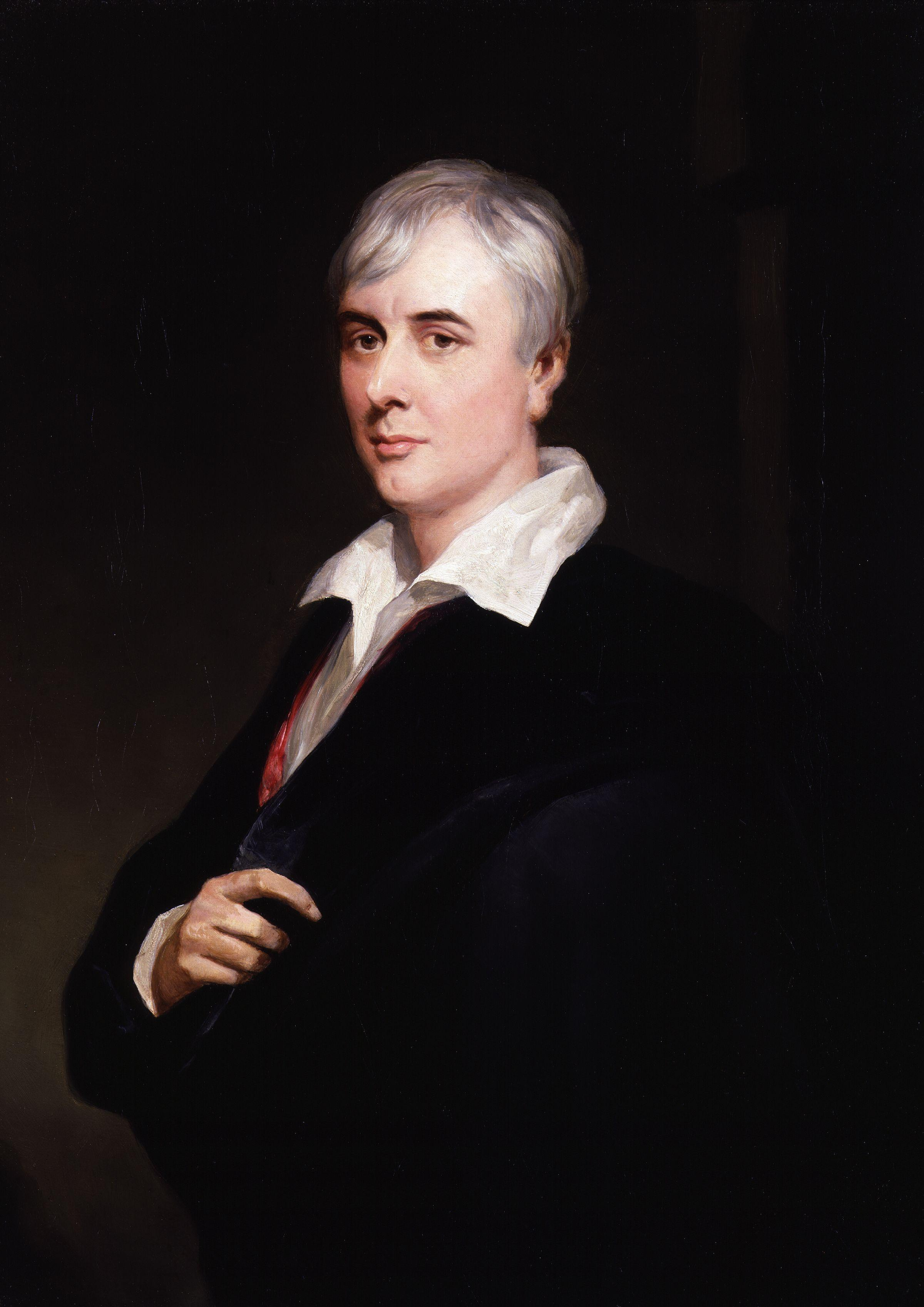
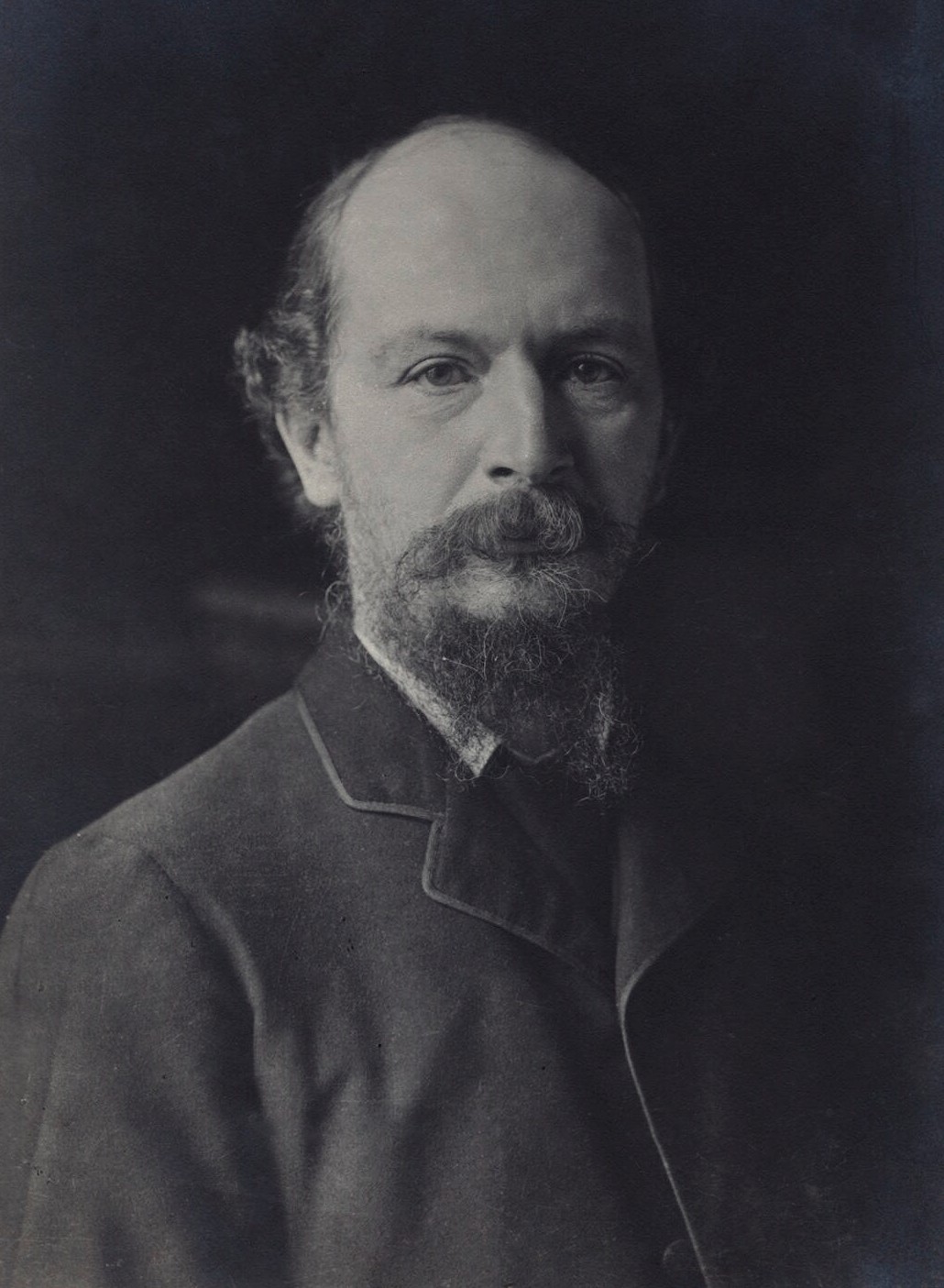
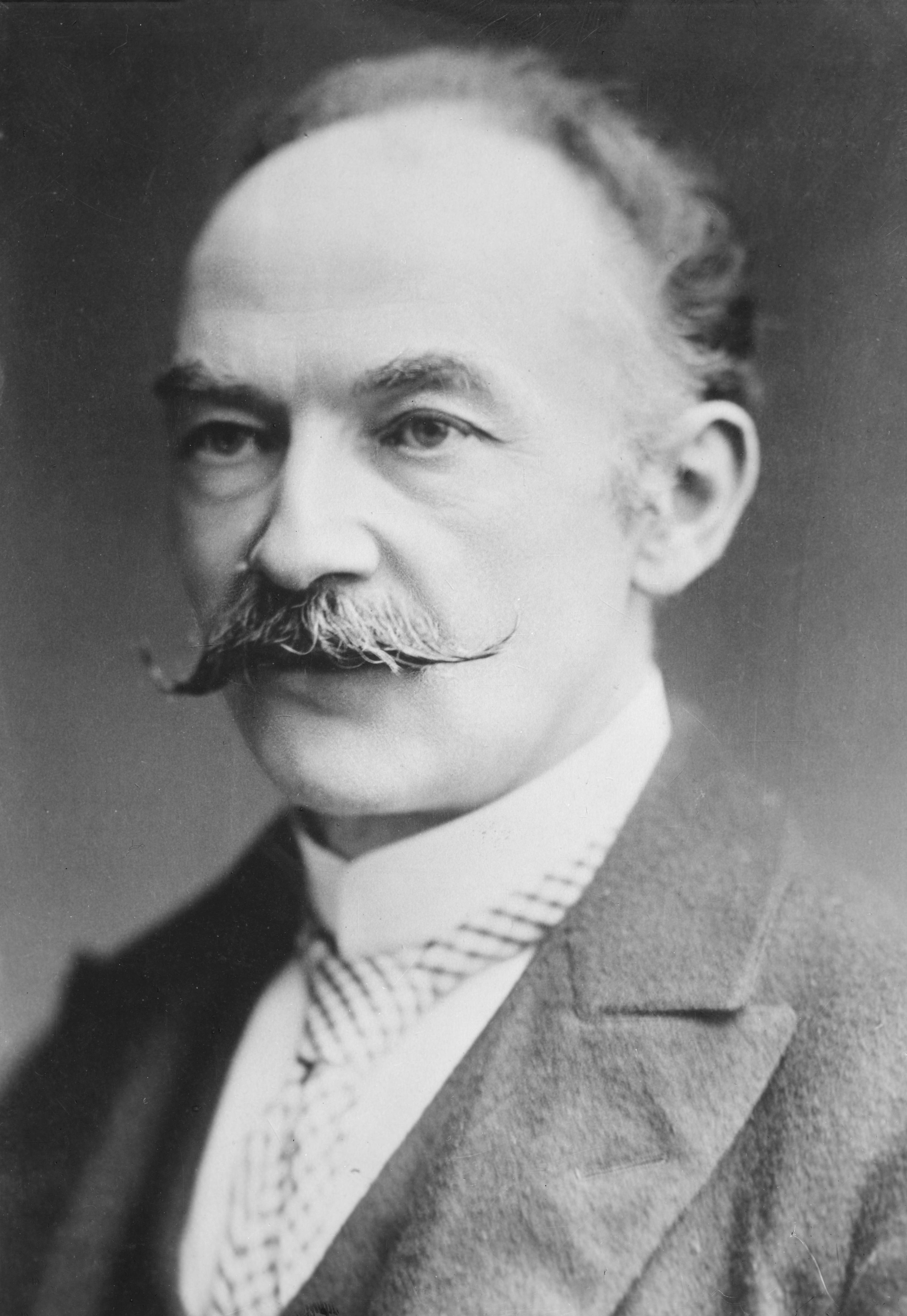
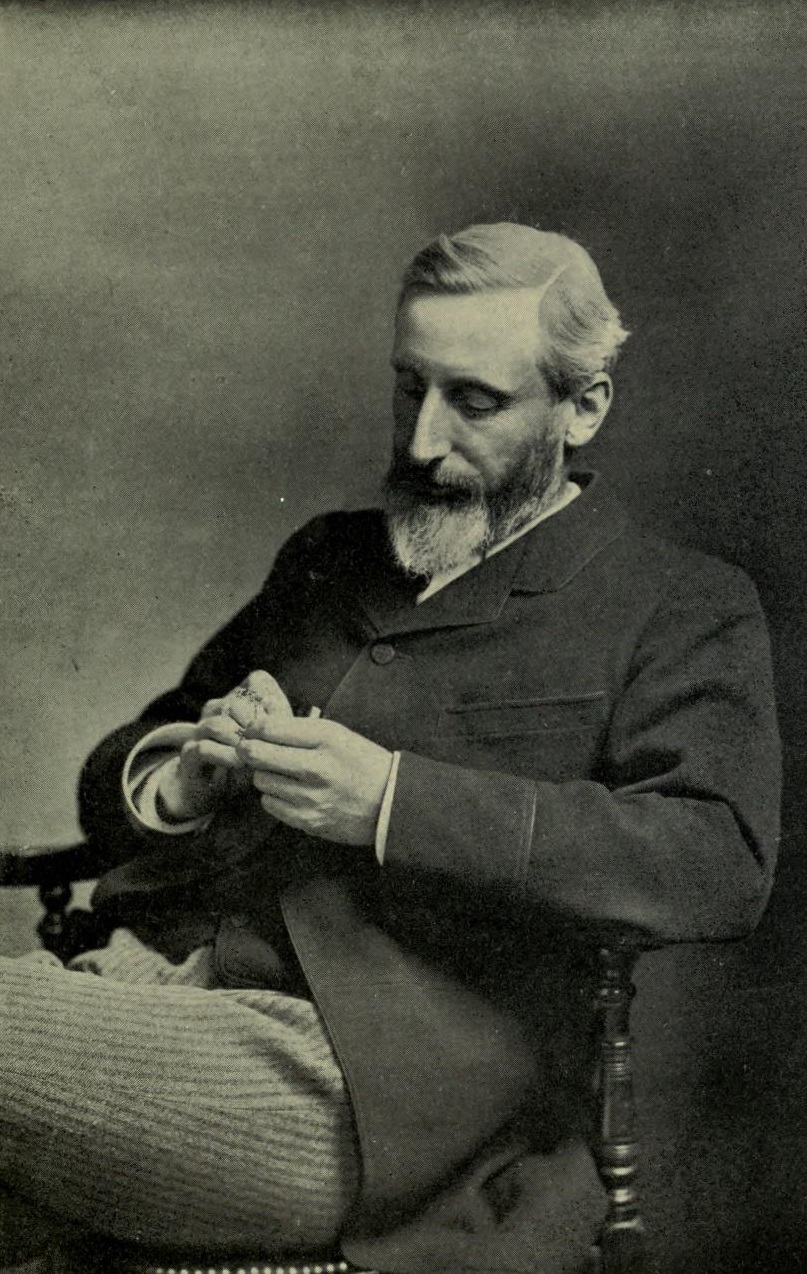
Arthur Hugh Clough was an English poet and educationalist known for his innovative approach to poetry and his commitment to social reform. Born into a family that valued education and social progress, Clough's literary career was marked by a blend of personal reflection and broader societal concerns. His notable works include 'The Bothie of Tober-na-Vuolich,' a narrative poem that explores themes of love, faith, and the complexities of human experience, and 'Amours de Voyage,' which showcases his unique style and philosophical musings. Clough's poetry often grappled with the tensions between faith and doubt, reflecting the uncertainties of his time. In addition to his literary contributions, Clough was a dedicated educationalist, serving as an assistant to Florence Nightingale and advocating for reforms in education. His influence extended beyond his own writings, as he inspired future generations of poets and thinkers with his introspective and often questioning approach to life. Clough's legacy is intertwined with the advancement of women's education, as both his sister and daughter became prominent figures in that movement, further solidifying his impact on the educational landscape of the 19th century.
Famous Quotes
View all 3 quotes“Ah yet, when all is thought and said, The heart still overrules the head; Still what we hope we must believe, And what is given us receive; Must still believe, for still we hope That in a world of larger scope, What here is faithfully begun Will be completed, not undone. My child, we still must think, when we That ampler life together see, Some true result will yet appear Of what we are, together, here.”
“For while the tired waves, vainly breaking, Seem here no painful inch to gain, Far back, through creeks and inlets making, Comes silent, flooding in, the main. And not by eastern windows only, When daylight comes, comes in the light; In front the sun climbs slow, how slowly! But westward, look, the land is bright!”
“O let me love my love unto myself alone, And know my knowledge to the world unknown, No witness to the vision call, Beholding, unbeheld of all...”
Books from the author

Link to this page
Add a free, dofollow link to Lex on your blog, forum, syllabus, or reading list.

<a href="https://lex-books.com/author/arthur-hugh-clough"><img src="https://lex-books.com/badges/read-on-lex.svg" alt="Arthur Hugh Clough on Lex" width="160" height="40"></a>[](https://lex-books.com/author/arthur-hugh-clough)[url=https://lex-books.com/author/arthur-hugh-clough][img]https://lex-books.com/badges/read-on-lex.svg[/img][/url]Arthur Hugh Clough on Lex: https://lex-books.com/author/arthur-hugh-clough