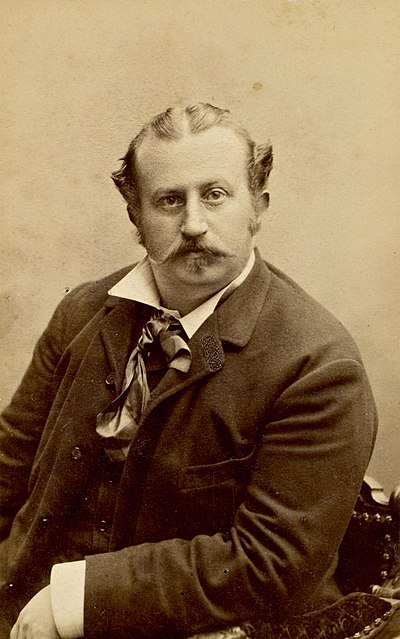
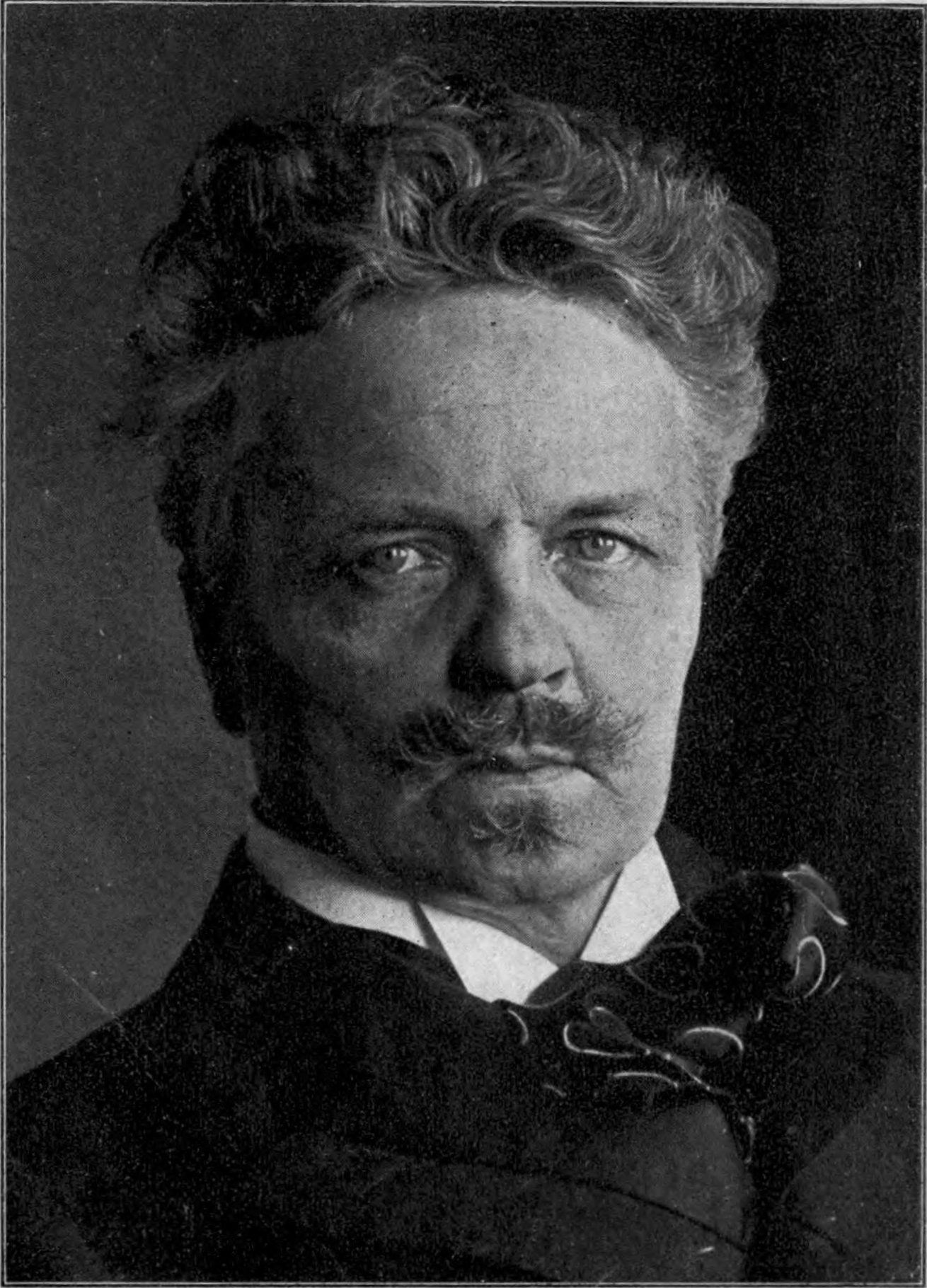
Arrigo Boito
Arrigo Boito was an influential Italian librettist, composer, poet, and critic, best known for his contributions to the world of opera. His only completed opera, Mefistofele, showcased his unique ability to blend poetic language with dramatic musical composition. Boito's literary prowess extended beyond his own compositions; he crafted the libretti for Giuseppe Verdi's final masterpieces, Otello and Falstaff, which solidified his reputation as a key figure in the operatic canon. His work not only elevated the art form but also reflected the cultural and artistic movements of his time, particularly the Scapigliatura, a bohemian movement that sought to challenge conventional norms in art and literature. In addition to his operatic achievements, Boito was a prolific writer and critic, often using the pseudonym Tobia Gorrio to publish essays that critiqued contemporary art and literature. His influence on Italian opera and literature is profound, as he helped bridge the gap between the Romantic and modernist movements. Boito's legacy endures through his innovative approach to librettos and his collaborations with other great composers, leaving an indelible mark on the landscape of 19th-century music and beyond.
Famous Quotes
View all 3 quotes“When I saw you I fell in love, and you smiled because you knew.”
“When I saw you, I fell in love, and you smiled because you knew”
“Come ti vidi M’innamorai, E tu sorridi Perché lo sai.”