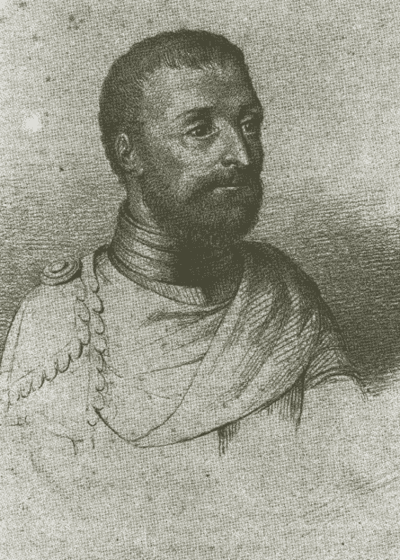
Antonio Pigafetta
Antonio Pigafetta was an Italian explorer and chronicler best known for his detailed account of the first circumnavigation of the globe, which he undertook as a member of Ferdinand Magellan's expedition. Born around 1480, Pigafetta's early life remains largely undocumented, but his journey began in 1519 when he joined Magellan's fleet, motivated by a desire for adventure and knowledge. His experiences during the voyage, including encounters with indigenous peoples and the challenges faced at sea, were meticulously recorded in his journal, which would later be published as 'The First Voyage Around the World.' This work is notable not only for its vivid descriptions of the lands and cultures encountered but also for its insights into the early European understanding of the Pacific and its peoples. Pigafetta's writings are significant for their historical value, providing one of the earliest European perspectives on the vastness of the world and the diversity of its inhabitants. His detailed observations and reflections on navigation, trade, and cultural exchanges contributed to the body of knowledge that informed future explorations. Despite the challenges he faced, including shipwrecks and the loss of many crew members, Pigafetta's legacy endures through his contributions to exploration literature and his role in expanding the European worldview during the Age of Discovery. His account remains a crucial primary source for historians studying this pivotal period in global history.
Books from the author





Link to this page
Add a free, dofollow link to Lex on your blog, forum, syllabus, or reading list.

<a href="https://lex-books.com/author/antonio-pigafetta"><img src="https://lex-books.com/badges/read-on-lex.svg" alt="Antonio Pigafetta on Lex" width="160" height="40"></a>[](https://lex-books.com/author/antonio-pigafetta)[url=https://lex-books.com/author/antonio-pigafetta][img]https://lex-books.com/badges/read-on-lex.svg[/img][/url]Antonio Pigafetta on Lex: https://lex-books.com/author/antonio-pigafetta