
Anthony Berkeley
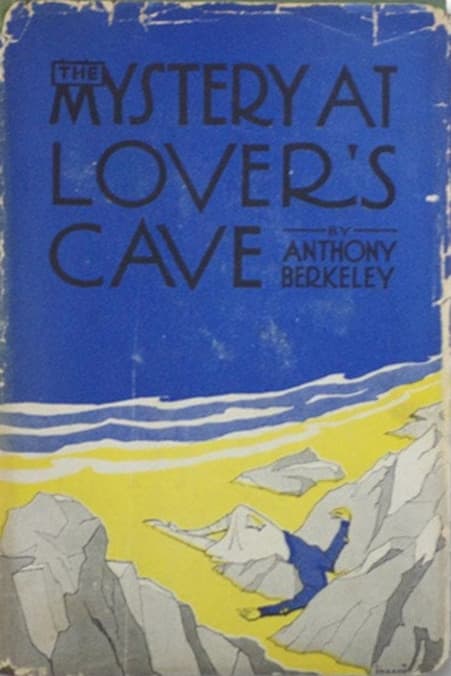
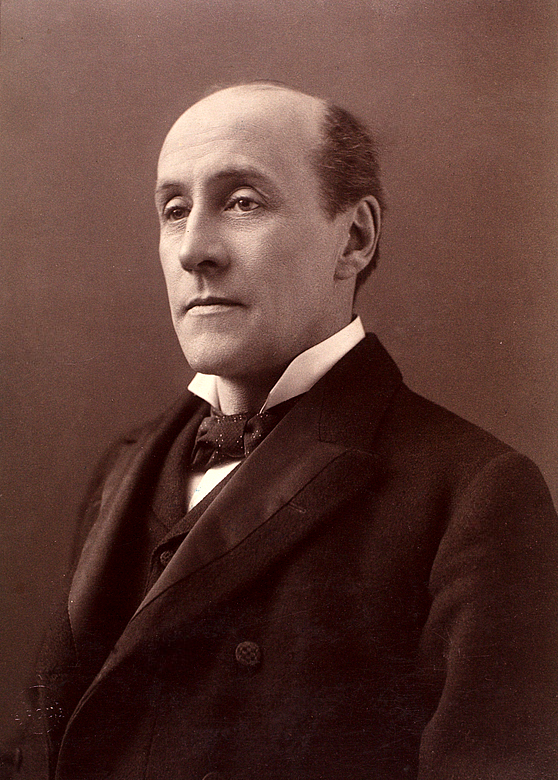
Anthony Berkeley was a British author and a pioneer of the detective fiction genre, best known for his innovative approach to mystery writing. He gained prominence in the 1920s with his novels that often featured intricate plots and psychological depth, challenging conventional norms of crime fiction. His most notable works include 'The Poisoned Chocolates Case' and 'The Wychford Poisoning Case,' both of which showcased his talent for crafting clever narratives that subverted traditional whodunit tropes. Berkeley's writing was characterized by a keen understanding of human psychology and a penchant for irony, making his stories not only entertaining but also thought-provoking. In addition to his novels, Berkeley was instrumental in founding the Detection Club in 1930, a society of mystery writers that included luminaries such as Agatha Christie and Dorothy L. Sayers. His influence extended beyond his own works; he was known for his critical essays on the genre and his advocacy for the importance of fair play in mystery writing. Berkeley's legacy endures through his contributions to the development of the detective story, as he pushed the boundaries of the genre and inspired future generations of writers to explore the complexities of crime and morality.
Famous Quotes
View all 3 quotes“She was a mild, inoffensive, well-meaning creature, with a face not unlike that of an amiable horse, and she spent most of her life striving so hard to do the right thing and invariably doing the wrong one.”
“For a minute or two they remained in complete silence--the silence of people who know each other so well that words are merely an accessory rather than a necessity.”
“Real life is one anti-climax after another.”
Books from the author



Link to this page
Add a free, dofollow link to Lex on your blog, forum, syllabus, or reading list.

<a href="https://lex-books.com/author/anthony-berkeley"><img src="https://lex-books.com/badges/read-on-lex.svg" alt="Anthony Berkeley on Lex" width="160" height="40"></a>[](https://lex-books.com/author/anthony-berkeley)[url=https://lex-books.com/author/anthony-berkeley][img]https://lex-books.com/badges/read-on-lex.svg[/img][/url]Anthony Berkeley on Lex: https://lex-books.com/author/anthony-berkeley