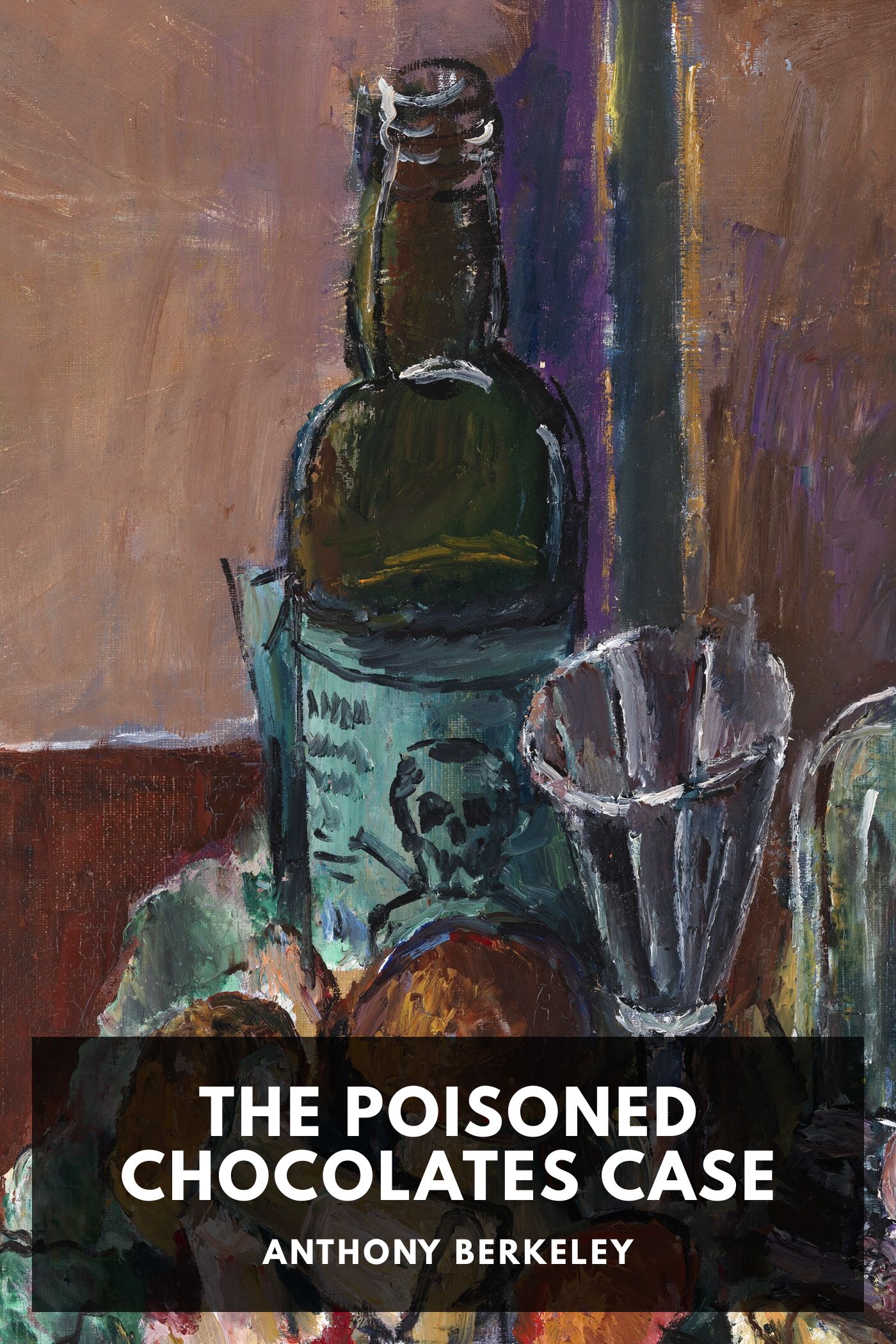
The Poisoned Chocolates Case
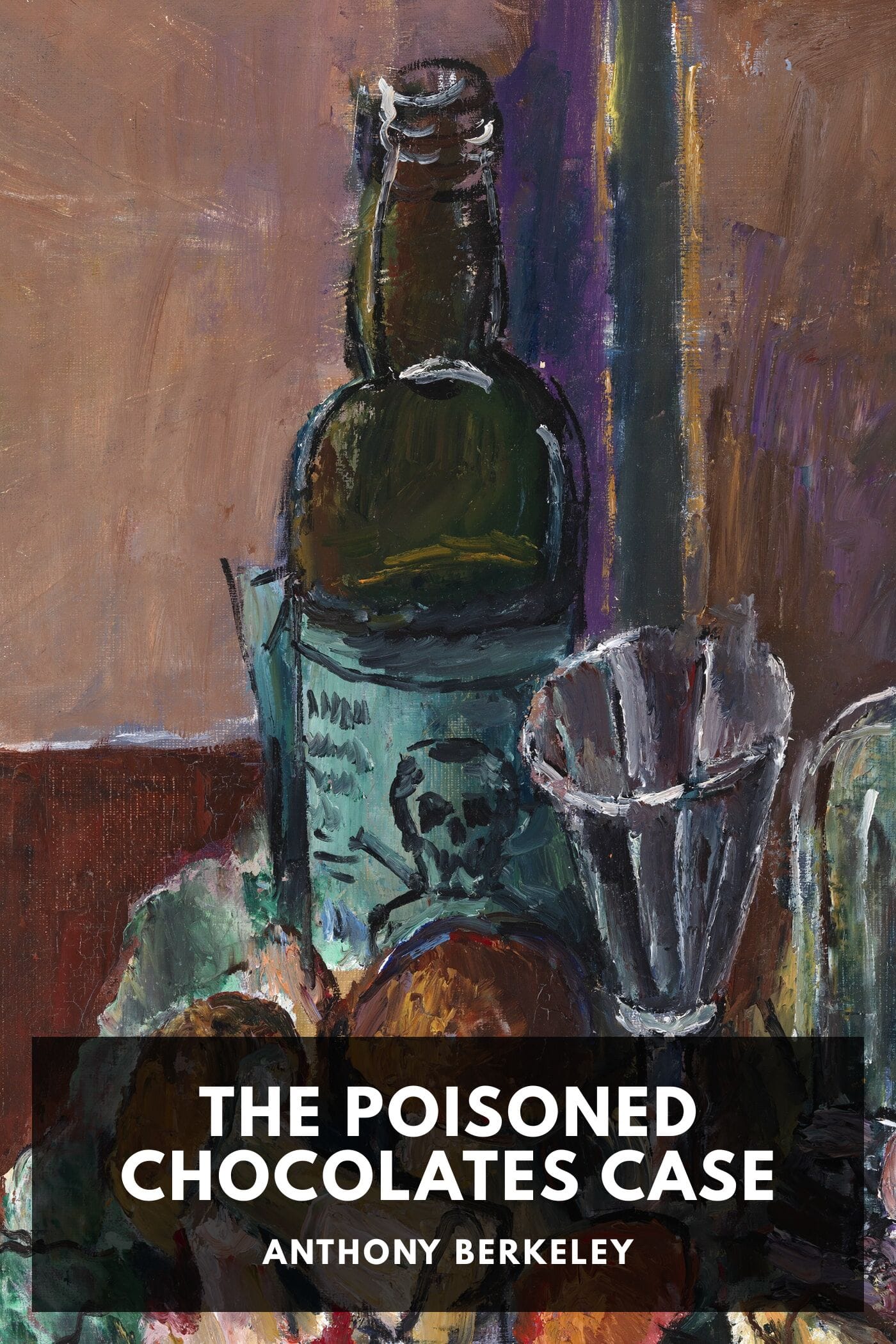
When a box of poisoned chocolates leads to the demise of Mrs. Bendix, the case lands on the desk of Scotland Yard — and, more intriguingly, into the hands of Roger Sheringham's 'Crimes Circle.' This exclusive club of amateur criminologists, each a distinct personality with their own deductive flair, takes on the baffling murder. The twist? The chocolates were a chance acquisition, passed from the notorious Sir Eustace Pennefather to Mr. Bendix, who then gifted them to his ill-fated wife. As each member of the Circle independently investigates, the reader is treated to not one, but six wildly divergent solutions to the very same crime. Who truly killed Mrs. Bendix, and how many ways can one murder be explained? Anthony Berkeley's 1929 masterpiece isn't just a clever whodunit; it's a meta-commentary on the nature of detective fiction itself. Published a year before the real-life formation of the legendary Detection Club (of which Berkeley was a founding member), this novel playfully dissects the mechanics of deduction, character, and red herrings. It's a foundational text of the Golden Age, showcasing a daring narrative structure that challenges the reader to question every assumption. Beyond the ingenious plot, it's a witty, sophisticated exploration of truth, perception, and the delightful slipperiness of facts, making it a timeless treat for any mystery aficionado.
Editions

X-Ray
President of the Crimes Circle, a novelist and amateur detective who organizes the investigation. He initially suspects Bendix but is proven wrong.
Scotland Yard detective who provides the official facts of the case to the Circle. Skeptical but helpful to Roger's investigations.
Famous barrister and member of the Crimes Circle. Initially suspects Lady Pennefather but is proven wrong.
Playwright and Circle member who dramatically accuses Sir Charles of the murder. Known for her theatrical manner and committee work.
About The Poisoned Chocolates Case
Chapter Summaries
- I
- Roger Sheringham introduces his Crimes Circle to Chief Inspector Moresby and proposes they investigate the Bendix murder case. The Circle agrees to work independently and reconvene with their solutions.
- II
- Moresby presents the official facts: Sir Eustace received poisoned chocolates at his club, gave them to Bendix, whose wife died after eating them. The chocolates contained nitrobenzene and came with a forged letter from Mason & Sons.
- III
- The police investigation reveals the chocolates were deliberately poisoned with exact doses of nitrobenzene. Only the top layer was poisoned, and holes had been drilled and plugged. The case baffles Scotland Yard.
Key Themes
- Deception and Truth
- The novel explores how truth can be manipulated and hidden, with each detective presenting convincing but false solutions. The real murderer hides in plain sight while misdirecting others.
- Class and Social Hypocrisy
- The story critiques upper-class moral pretensions, showing how characters like Mrs. Bendix maintain facades of respectability while engaging in adultery, and how social position affects perception of guilt.
- The Fallibility of Detection
- Berkeley demonstrates how intelligent people can reach completely different conclusions from the same evidence, questioning the reliability of deductive reasoning and the myth of the infallible detective.
Characters
- Roger Sheringham(protagonist)
- President of the Crimes Circle, a novelist and amateur detective who organizes the investigation. He initially suspects Bendix but is proven wrong.
- Chief Inspector Moresby(major)
- Scotland Yard detective who provides the official facts of the case to the Circle. Skeptical but helpful to Roger's investigations.
- Sir Charles Wildman(major)
- Famous barrister and member of the Crimes Circle. Initially suspects Lady Pennefather but is proven wrong.
- Mrs. Fielder-Flemming(major)
- Playwright and Circle member who dramatically accuses Sir Charles of the murder. Known for her theatrical manner and committee work.
- Morton Harrogate Bradley(major)
- Detective story writer who presents elaborate theories and enjoys intellectual sparring. Originally Percy Robinson, he despises almost everyone.
- Alicia Dammers(major)
- Brilliant novelist and the actual murderer. Cool, analytical, and psychologically astute, she manipulates the investigation while appearing to solve it.
Link to this book
Add a free, dofollow link to Lex on your blog, forum, syllabus, or reading list.

<a href="https://lex-books.com/book/the-poisoned-chocolates-case-d98a4373-4083-4278-b47b-95bf9a3dbed3"><img src="https://lex-books.com/badges/read-on-lex.svg" alt="Read The Poisoned Chocolates Case by Anthony Berkeley free on Lex" width="160" height="40"></a>[](https://lex-books.com/book/the-poisoned-chocolates-case-d98a4373-4083-4278-b47b-95bf9a3dbed3)[url=https://lex-books.com/book/the-poisoned-chocolates-case-d98a4373-4083-4278-b47b-95bf9a3dbed3][img]https://lex-books.com/badges/read-on-lex.svg[/img][/url]Read The Poisoned Chocolates Case by Anthony Berkeley free on Lex: https://lex-books.com/book/the-poisoned-chocolates-case-d98a4373-4083-4278-b47b-95bf9a3dbed3Cite this book
Reading this edition for a paper or guide? Copy a citation.
Berkeley, Anthony. The Poisoned Chocolates Case. Lex, lex-books.com/book/the-poisoned-chocolates-case-d98a4373-4083-4278-b47b-95bf9a3dbed3.Berkeley, A. (n.d.). The Poisoned Chocolates Case. Lex. https://lex-books.com/book/the-poisoned-chocolates-case-d98a4373-4083-4278-b47b-95bf9a3dbed3Berkeley, Anthony. The Poisoned Chocolates Case. Lex. https://lex-books.com/book/the-poisoned-chocolates-case-d98a4373-4083-4278-b47b-95bf9a3dbed3.