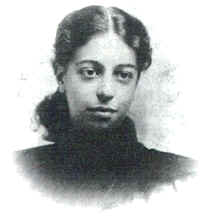
Angelina Weld Grimké
Angelina Weld Grimké was an influential African American poet, playwright, and educator whose work addressed themes of race, identity, and social justice. Born into a prominent family in Boston, she was the daughter of a white mother and a Black father, which deeply informed her perspective on race relations in America. Grimké's literary career flourished during the Harlem Renaissance, where she became known for her poignant poetry and groundbreaking plays that highlighted the struggles of Black Americans. Her most notable work, the play 'Rachel' (1916), was one of the first to portray the impact of racial violence on the lives of African Americans, making a significant contribution to American theater and social discourse at the time. Grimké's poetry, characterized by its lyrical beauty and emotional depth, often explored themes of love, loss, and the quest for racial equality. Her collection 'In the Closing of a Century' (1944) reflects her commitment to social justice and her experiences as a Black woman in a racially divided society. Despite facing challenges due to her race and gender, Grimké's work has left a lasting legacy, influencing future generations of writers and activists. Her contributions to literature and her advocacy for civil rights have solidified her place in American literary history, marking her as a pioneering figure in both the arts and the fight for social change.
Famous Quotes
View all 1 quotes“At the Spring DawnI watched the dawn come, Watched the spring dawn come.And the red sun shouldered his way up Through the grey, through the blue,Through the lilac mists.The quiet of it! The goodness of it! And one bird awoke, sang, whirredA blur of moving black against the sun, Sang again”
Books from the author









Link to this page
Add a free, dofollow link to Lex on your blog, forum, syllabus, or reading list.

<a href="https://lex-books.com/author/angelina-weld-grimké"><img src="https://lex-books.com/badges/read-on-lex.svg" alt="Angelina Weld Grimké on Lex" width="160" height="40"></a>[](https://lex-books.com/author/angelina-weld-grimké)[url=https://lex-books.com/author/angelina-weld-grimké][img]https://lex-books.com/badges/read-on-lex.svg[/img][/url]Angelina Weld Grimké on Lex: https://lex-books.com/author/angelina-weld-grimké