
Andrew Combe
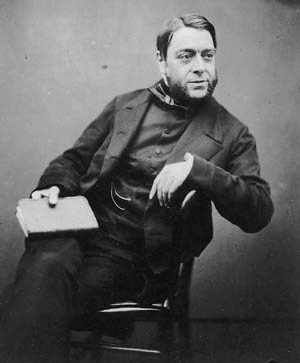
Andrew Combe was a prominent Scottish physician and phrenologist known for his influential work in the early 19th century. He was a key figure in the development of phrenology, a controversial field that posited that the shape of the skull could reveal an individual's character and mental faculties. Combe's writings, particularly 'The Constitution of Man' published in 1828, argued for the importance of understanding the relationship between physical health and mental well-being, advocating for a holistic approach to medicine that emphasized the role of environment and lifestyle in human development. Combe's contributions to phrenology and his advocacy for preventive medicine marked him as a significant figure in the medical community of his time. His ideas not only influenced contemporary medical practices but also sparked debates about the scientific validity of phrenology. Despite the controversies surrounding his work, Combe's emphasis on the interplay between mind and body laid groundwork for future discussions in psychology and health. His legacy endures in the ongoing exploration of the connections between physical health, mental health, and personal development.
Famous Quotes
View all 2 quotes“Colton turned out to be as formidable a tutor as he was a teaching assistant. His notes were a study in diligence. Every subject was meticulously labeled, the pages pristinely bulleted, each notebook alphabetized and color-coded to the point of obsession. Each night they staked out a workplace and studied deep into the night, combing through his stenographer-worthy binders until she'd managed to flood the sizable gaps in her notebooks with everything in his.””
“The hands pulled at his fingers with ferocious strength, and someone shouted his name again. He didn’t want to open his eyes, didn’t want to let in whatever lay in the darkness beyond, but it was overpowering, a tidal surge between the cracks of his hand. Fingers pulled at his, cold and strong, breaking through his grasp, and he screamed and lashed out. Linda fell backward onto the bedroom floor. Her back connected with the edge of the bed, knocking the box spring and mattress crooked. Her nightgown was askew, hiked up above her hips from the force of the fall, her underwear exposed between splayed legs. Her face was a mask of horror. Tommy stood at the edge of the bed, just where that dark boy had stood, only Tommy was crying and covering his mouth. “You’re scaring us! Stop, please!” he gulped again and again in run-on sentences. Only Jessica was silent, unaffected by what Dan realized had been a nightmare. She combed the hair of her doll softly, as if ready to fall back asleep. “Goddammit, Dan,” Linda said, her words spat out with an indignant rage. “What’s the matter with you?””
Books from the author


Link to this page
Add a free, dofollow link to Lex on your blog, forum, syllabus, or reading list.

<a href="https://lex-books.com/author/andrew-combe"><img src="https://lex-books.com/badges/read-on-lex.svg" alt="Andrew Combe on Lex" width="160" height="40"></a>[](https://lex-books.com/author/andrew-combe)[url=https://lex-books.com/author/andrew-combe][img]https://lex-books.com/badges/read-on-lex.svg[/img][/url]Andrew Combe on Lex: https://lex-books.com/author/andrew-combe