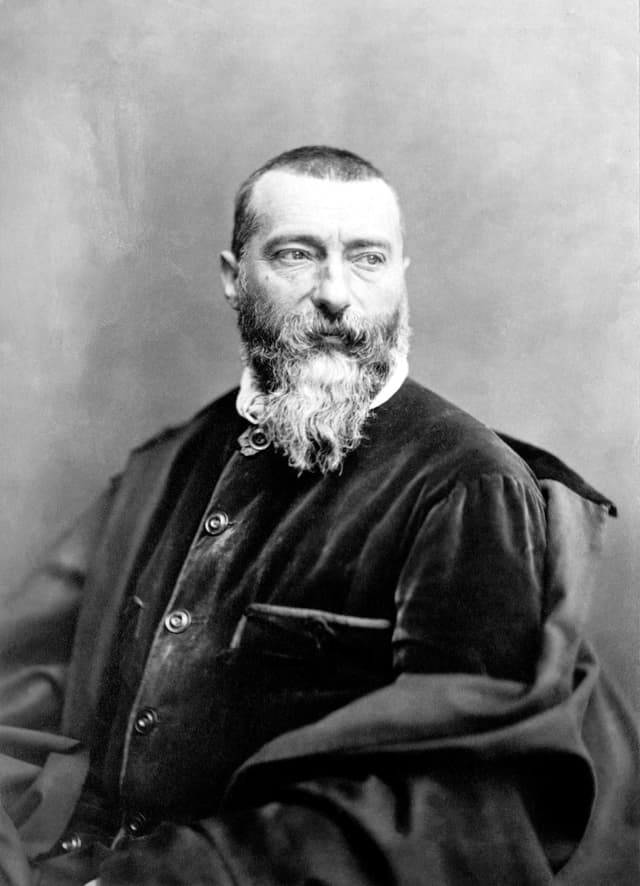
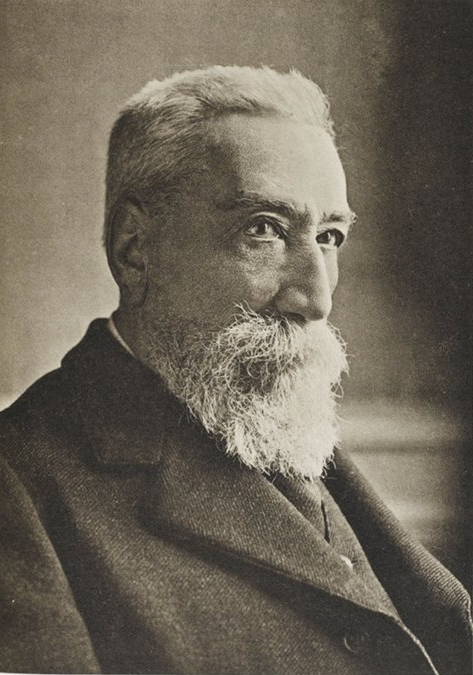
Alphonse Karr
Jean-Baptiste Alphonse Karr was a prominent French critic, journalist, and novelist known for his sharp wit and keen observations of society. Born in 1808, Karr began his career as a journalist, contributing to various publications where he developed a reputation for his incisive commentary on contemporary issues. His most notable work, 'Les Guêpes' (The Wasps), was a collection of satirical articles that offered a critical lens on the political and social landscape of France during the July Monarchy. Karr's writing style was characterized by its humor and irony, making his critiques both entertaining and thought-provoking. In addition to his journalistic endeavors, Karr authored several novels, including 'Sous les tilleuls' and 'L'École des femmes,' which explored themes of love, society, and the complexities of human relationships. His literary contributions were significant in the development of the French novel, and he is often credited with influencing later writers with his blend of realism and satire. Karr's legacy endures not only through his own works but also through his impact on the literary and journalistic landscape of 19th-century France, where he championed the importance of social critique in literature.
Famous Quotes
View all 3 quotes“We can complain because rose bushes have thorns, or rejoice because thorns have roses.”
“All people have three characters, that which they exhibit, that which they are, and that which they think they are.”
“So the more things stay the same, the more they change after all.”
Books from the author








Link to this page
Add a free, dofollow link to Lex on your blog, forum, syllabus, or reading list.

<a href="https://lex-books.com/author/alphonse-karr"><img src="https://lex-books.com/badges/read-on-lex.svg" alt="Alphonse Karr on Lex" width="160" height="40"></a>[](https://lex-books.com/author/alphonse-karr)[url=https://lex-books.com/author/alphonse-karr][img]https://lex-books.com/badges/read-on-lex.svg[/img][/url]Alphonse Karr on Lex: https://lex-books.com/author/alphonse-karr