
Alfred Henschke
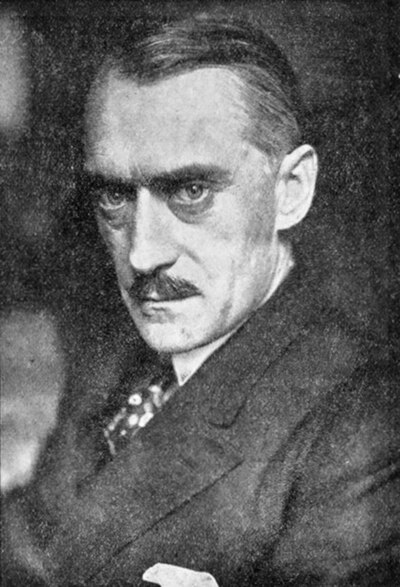
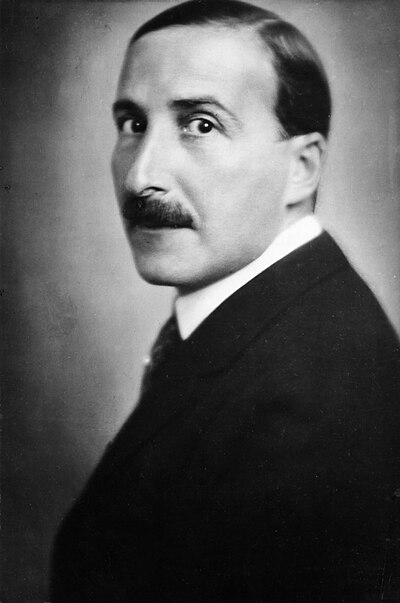
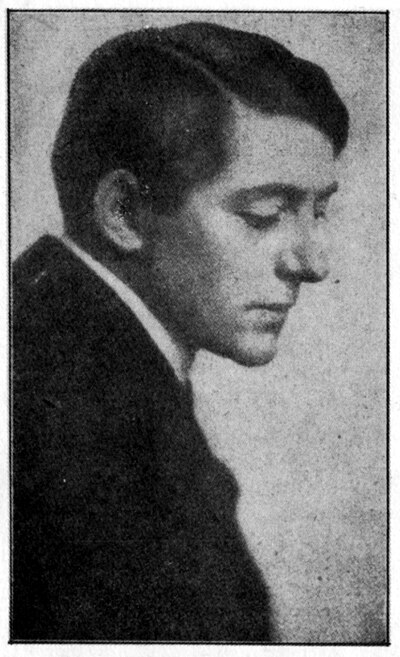
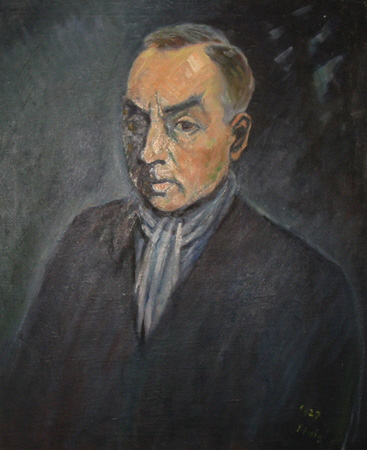
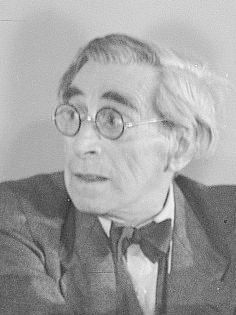
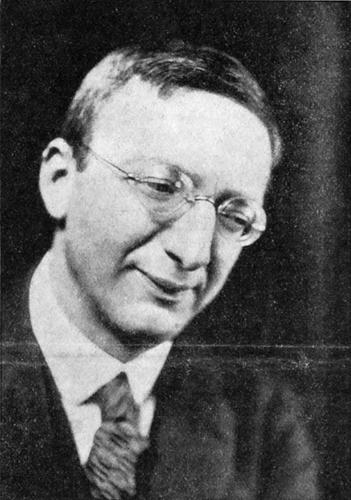
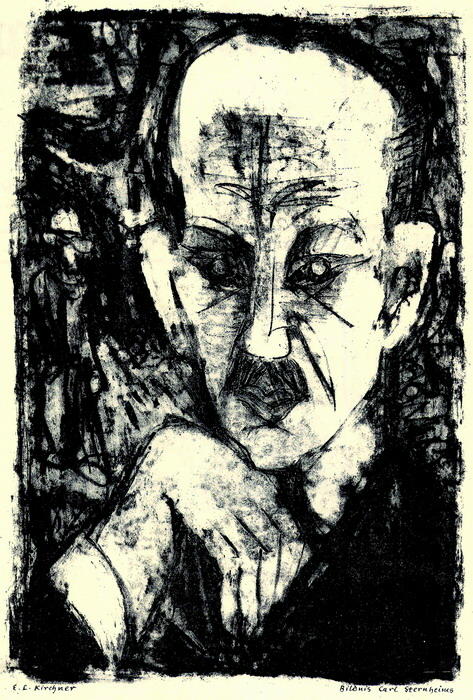
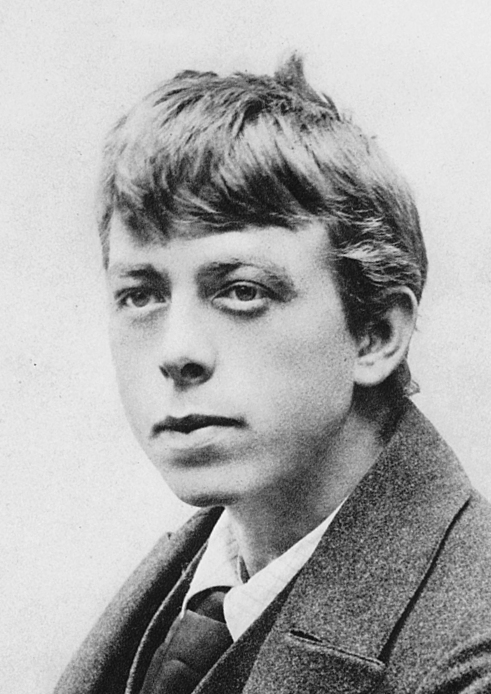
Alfred Henschke, known by his pen name Klabund, was a notable German writer whose works spanned poetry, novels, and plays. Born in 1890, he became a prominent figure in the literary scene during the early 20th century, characterized by his innovative use of language and exploration of themes such as love, death, and the human condition. Klabund's literary career was marked by a distinctive blend of expressionism and modernism, which set him apart from his contemporaries. His notable works include 'Der Tod' and 'Die Flucht,' which reflect his deep engagement with existential themes and the struggles of the individual in a rapidly changing world. Klabund's significance lies not only in his literary contributions but also in his role as a cultural commentator during a tumultuous period in German history. His writings often challenged societal norms and explored the complexities of human emotions, making him a precursor to later existentialist thought. Despite his relatively short life, ending in 1928, Klabund's impact on German literature and his innovative narrative style left a lasting legacy, influencing future generations of writers and poets who sought to capture the intricacies of the human experience.
Books from the author

Link to this page
Add a free, dofollow link to Lex on your blog, forum, syllabus, or reading list.

<a href="https://lex-books.com/author/alfred-henschke"><img src="https://lex-books.com/badges/read-on-lex.svg" alt="Alfred Henschke on Lex" width="160" height="40"></a>[](https://lex-books.com/author/alfred-henschke)[url=https://lex-books.com/author/alfred-henschke][img]https://lex-books.com/badges/read-on-lex.svg[/img][/url]Alfred Henschke on Lex: https://lex-books.com/author/alfred-henschke