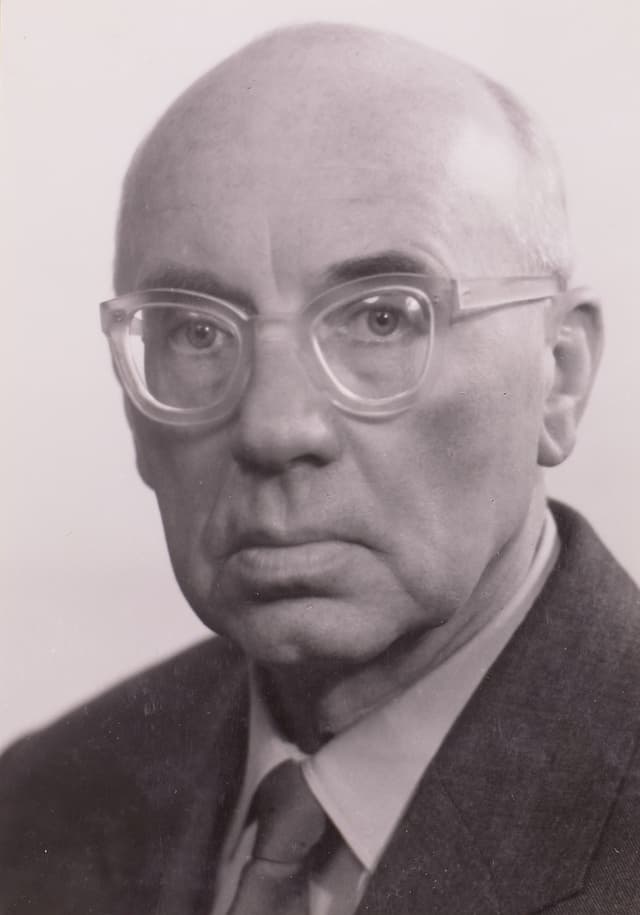
Johannes Robert Becher
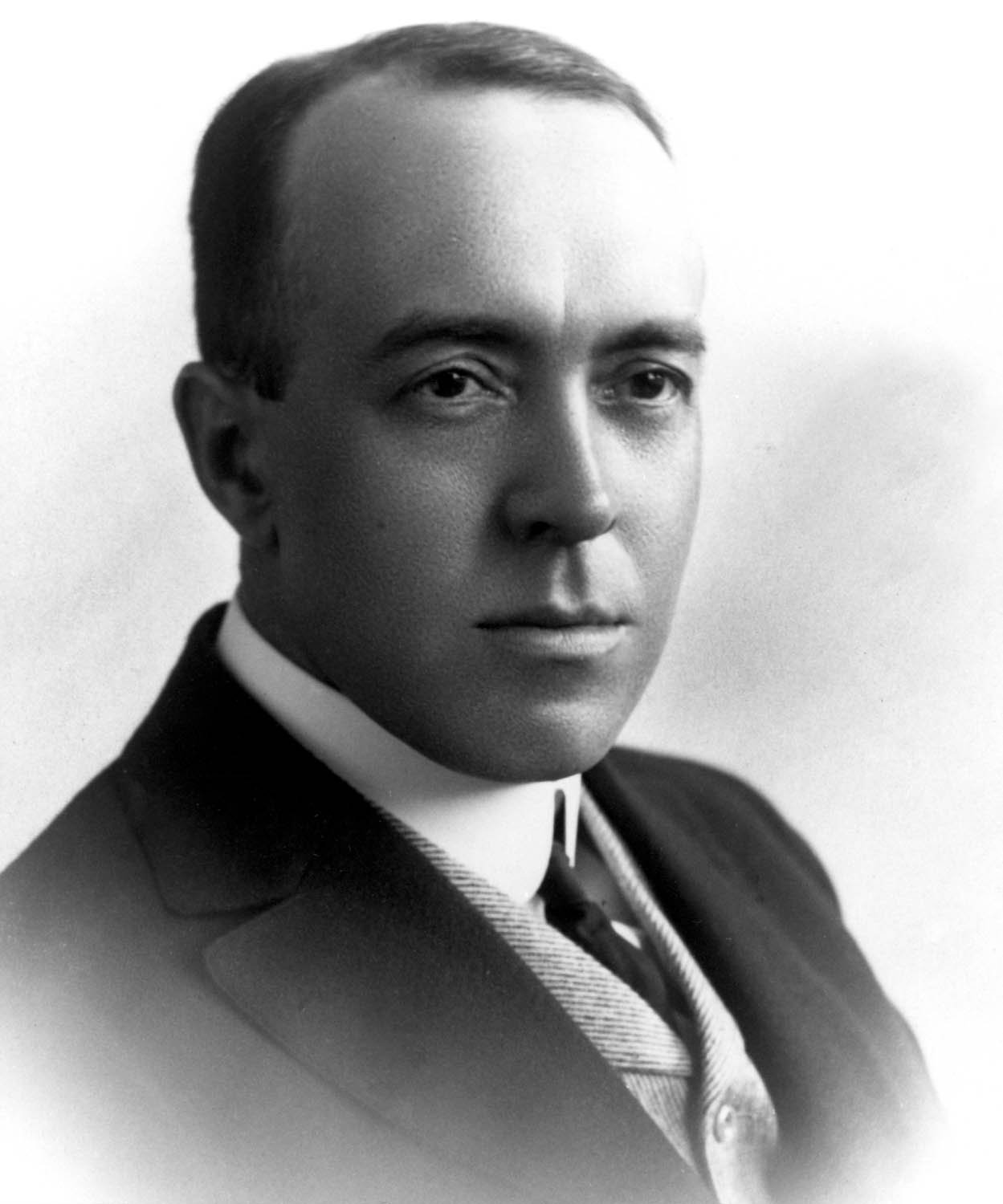
Johannes Robert Becher was a multifaceted German politician, novelist, and poet who played a significant role in the cultural landscape of 20th-century Germany. Initially affiliated with the Communist Party of Germany, he was part of the literary avant-garde and wrote in an expressionist style, contributing to the modernist movement before the rise of the Nazi Party led to the suppression of such artistic expressions. Following his escape from a military raid in 1933, Becher lived in Paris before migrating to the Soviet Union in 1935, where he continued to engage with communist ideals. His experiences during World War II, including evacuation to Tashkent and later a return to Moscow, shaped his political and literary perspectives. After the war, Becher returned to Germany, settling in East Berlin, where he became a prominent figure in the Socialist Unity Party. He was instrumental in founding the East German Academy of Arts in 1949 and served as its president from 1953 to 1956. His contributions to culture and politics were recognized when he received the Stalin Peace Prize in 1953. As the culture minister of the German Democratic Republic from 1954 until his death in 1958, Becher's legacy is marked by his commitment to promoting socialist ideals through literature and the arts, making him a notable figure in the history of East German cultural policy.
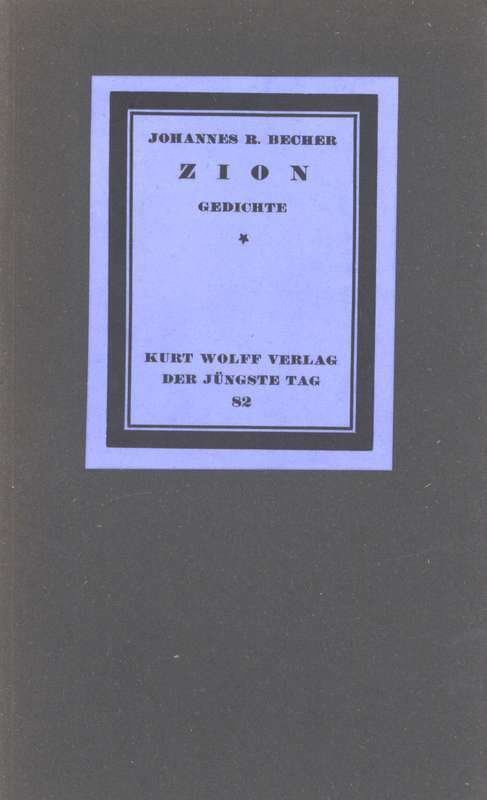
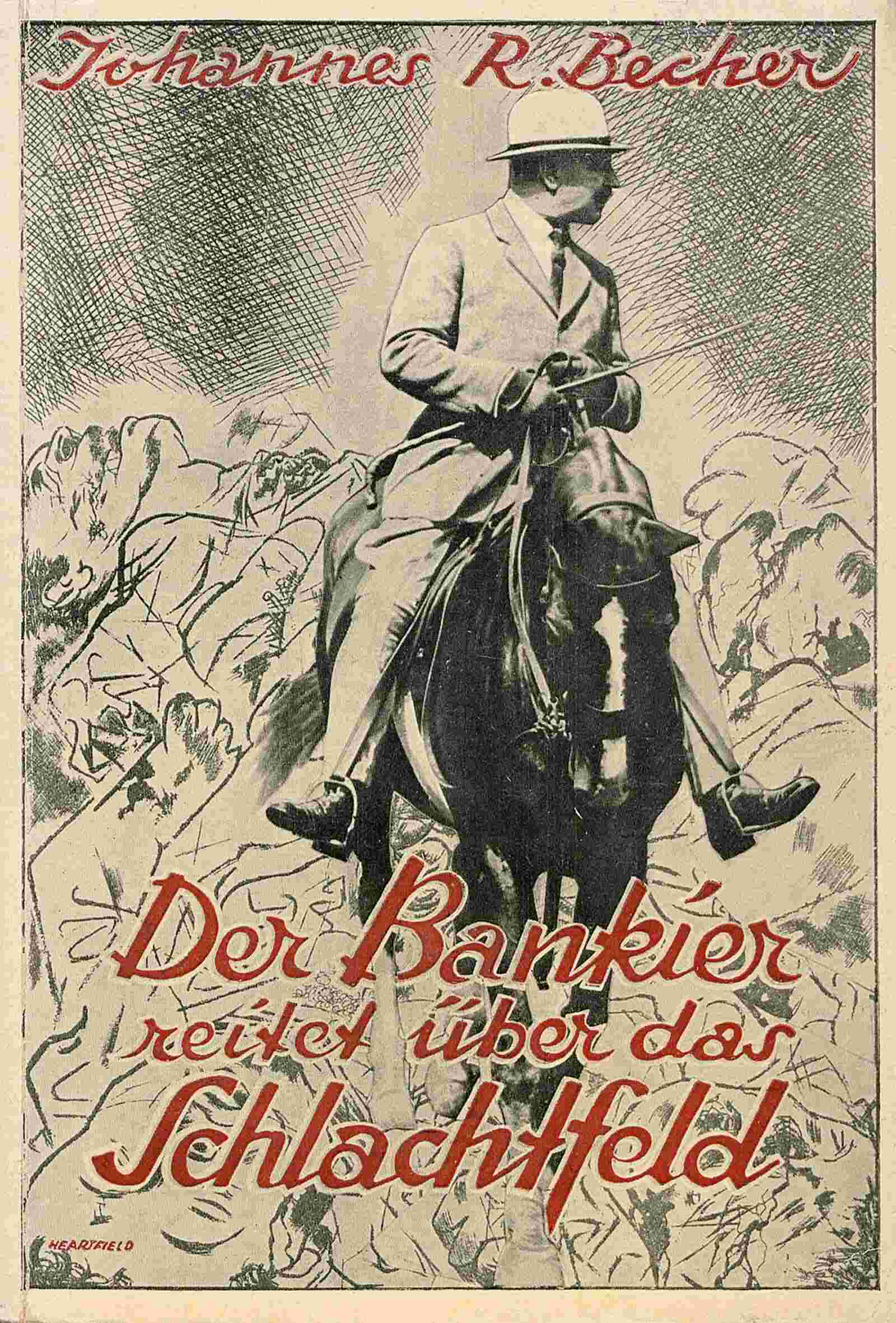
Books from the author

Link to this page
Add a free, dofollow link to Lex on your blog, forum, syllabus, or reading list.

<a href="https://lex-books.com/author/johannes-robert-becher"><img src="https://lex-books.com/badges/read-on-lex.svg" alt="Johannes Robert Becher on Lex" width="160" height="40"></a>[](https://lex-books.com/author/johannes-robert-becher)[url=https://lex-books.com/author/johannes-robert-becher][img]https://lex-books.com/badges/read-on-lex.svg[/img][/url]Johannes Robert Becher on Lex: https://lex-books.com/author/johannes-robert-becher