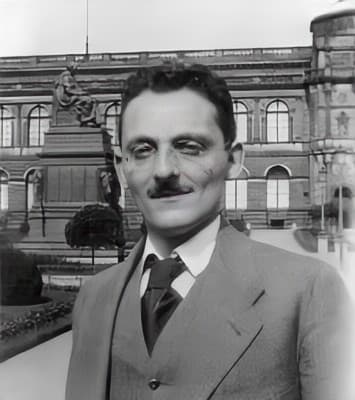
Max Brod
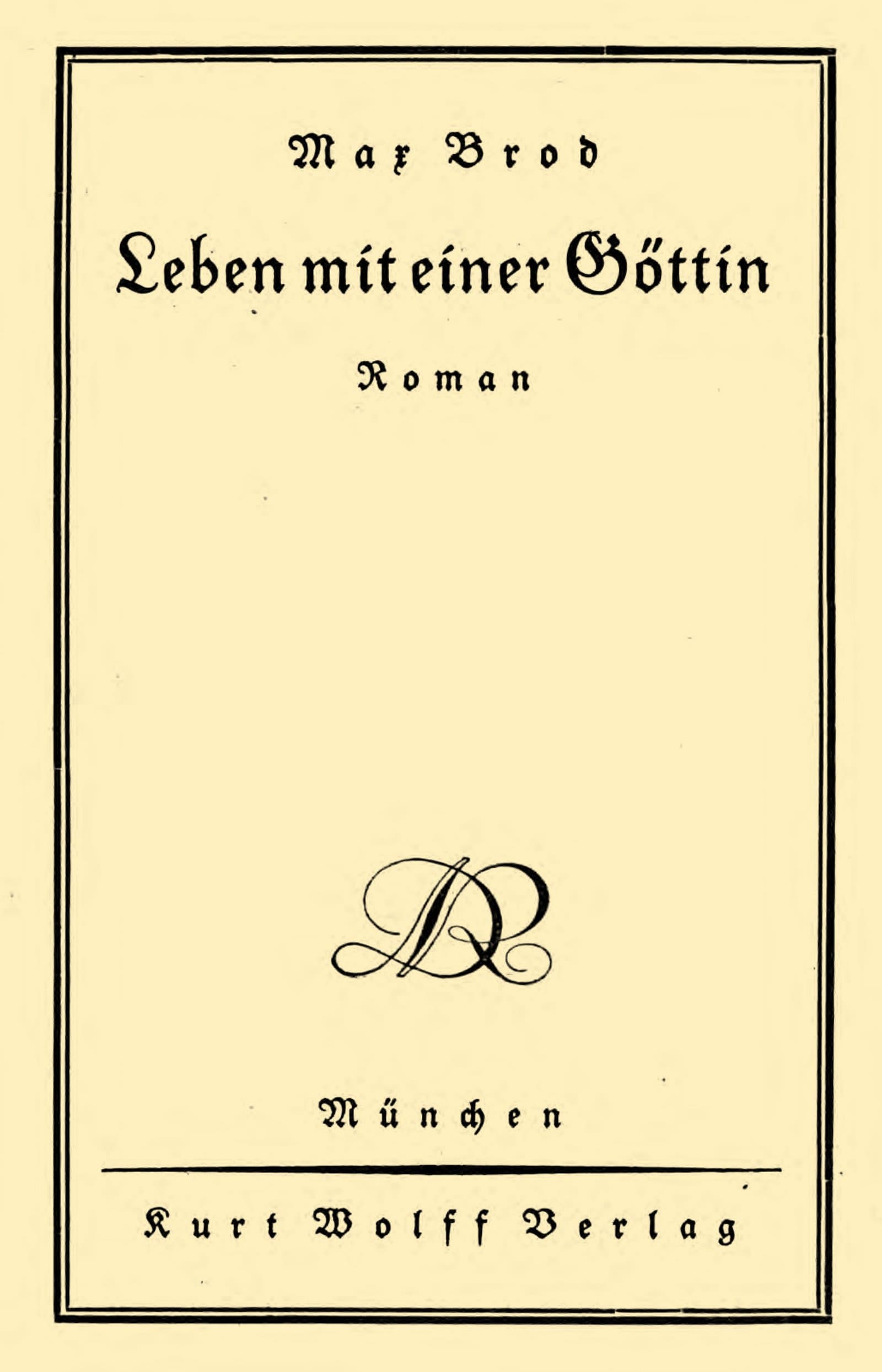
Max Brod was a Czech-born Israeli author, composer, and journalist, renowned for his pivotal role in the literary world of the early 20th century. He is best known for his close friendship with Franz Kafka, whom he not only admired but also championed. Kafka entrusted Brod with his literary legacy, instructing him to destroy his unpublished works after his death. In a bold act of defiance, Brod chose to publish these writings instead, ensuring that Kafka's genius would be recognized and celebrated. This decision significantly shaped the trajectory of modern literature, as Kafka's works, including 'The Trial' and 'The Metamorphosis,' gained widespread acclaim and influence through Brod's efforts. In addition to his advocacy for Kafka, Brod was a prolific writer in his own right, producing novels, essays, and plays that often explored themes of identity, existentialism, and the human condition. His own notable works include 'The Last Days of Mankind' and 'The Golem,' which reflect his engagement with Jewish themes and the cultural milieu of his time. After fleeing Prague in 1939 due to the Nazi occupation, Brod settled in Mandatory Palestine, where he continued to write and promote the arts. His legacy endures not only through his own literary contributions but also through his unwavering commitment to preserving Kafka's work, which has left an indelible mark on literature and continues to inspire generations of writers and readers alike.
Famous Quotes
View all 3 quotes“The soul can only blossom forth to its sublime and rare capacities when it feels it is being met with faith.”
“...over and over, you would like to be recognized according to your own self, your own person, your own heart's inclination-but they always ask only what you have done, and really, if you look at it rationally, they have nothing else by which they can judge your state of mind except the manifestations of that state of mind.”
“Kafka’yla yaptığım bir konuşmayı hatırlıyorum, çıkış noktamız bugünkü Avrupa ve insanlığın çöküşüydü. ‘Bizler,’ demişti Kafka ‘Tanrının zihnine üşüşen nihilist düşünceler, intihar fikirleriyiz.’ Bu bana önce Gnostik dünya görüşünü hatırlattı: Kötü bir demiurg olarak tanrı, dünyaysa onun düşüşü. ‘Hayır.’ dedi Kafka ‘bizim dünyamız Tanrının kötü bir ruh haline, kötü bir gününe rastlamış.’ ‘Öyleyse bu bildiğimiz dünya dışında umut olabilir mi?’ diye sordum. Gülümsedi: ‘Elbette yeterince var hatta sonsuz umut var ama bizim için değil.”
Books from the author
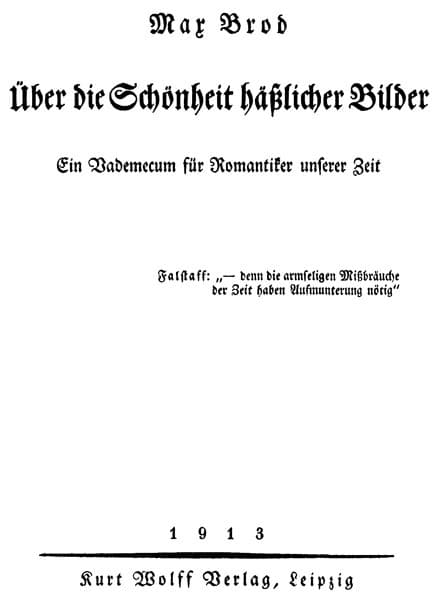

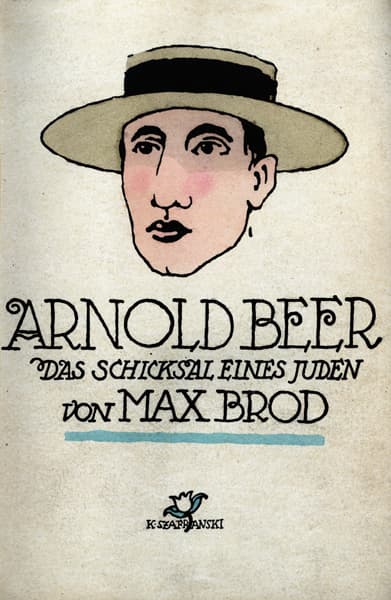
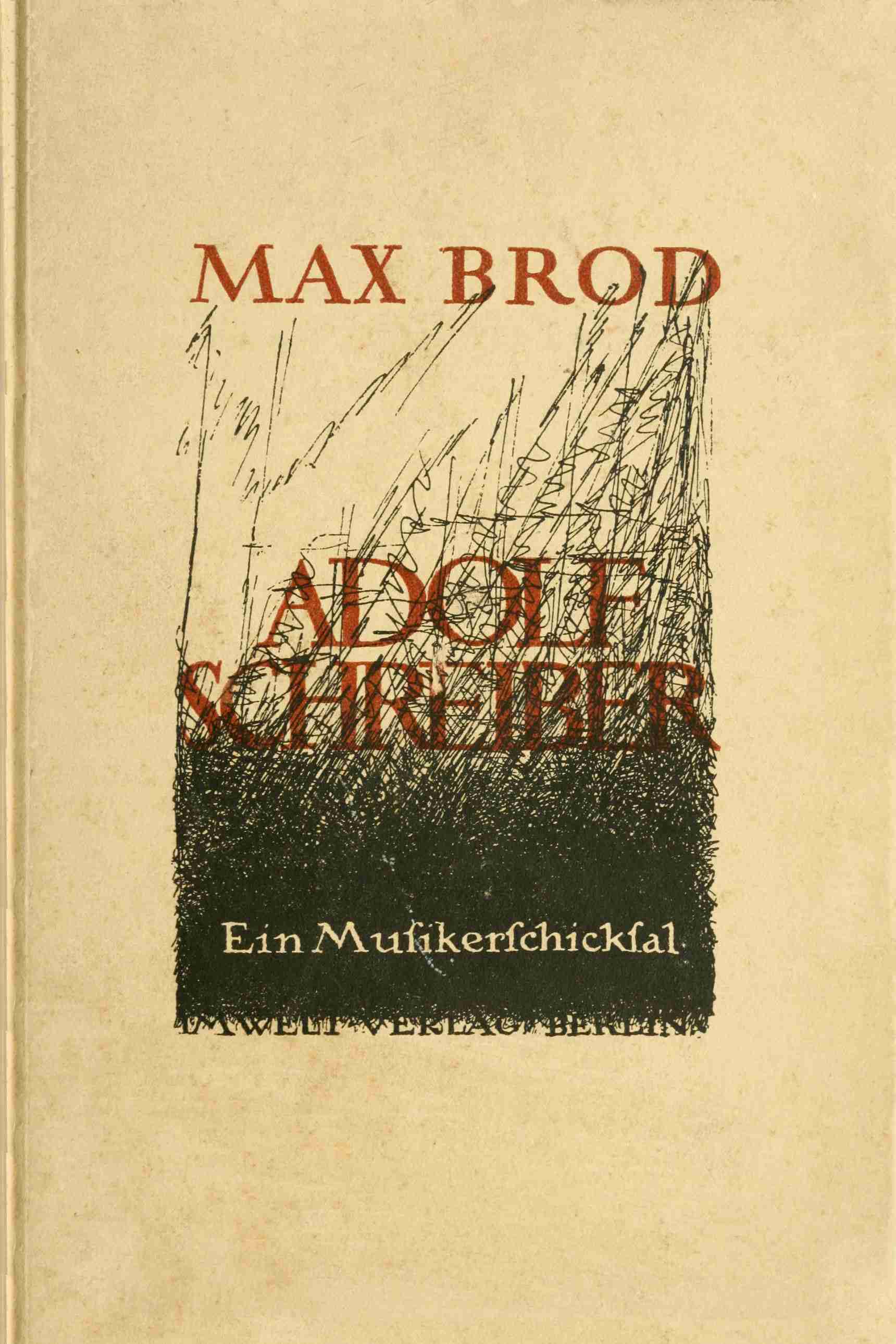

Link to this page
Add a free, dofollow link to Lex on your blog, forum, syllabus, or reading list.

<a href="https://lex-books.com/author/max-brod"><img src="https://lex-books.com/badges/read-on-lex.svg" alt="Max Brod on Lex" width="160" height="40"></a>[](https://lex-books.com/author/max-brod)[url=https://lex-books.com/author/max-brod][img]https://lex-books.com/badges/read-on-lex.svg[/img][/url]Max Brod on Lex: https://lex-books.com/author/max-brod