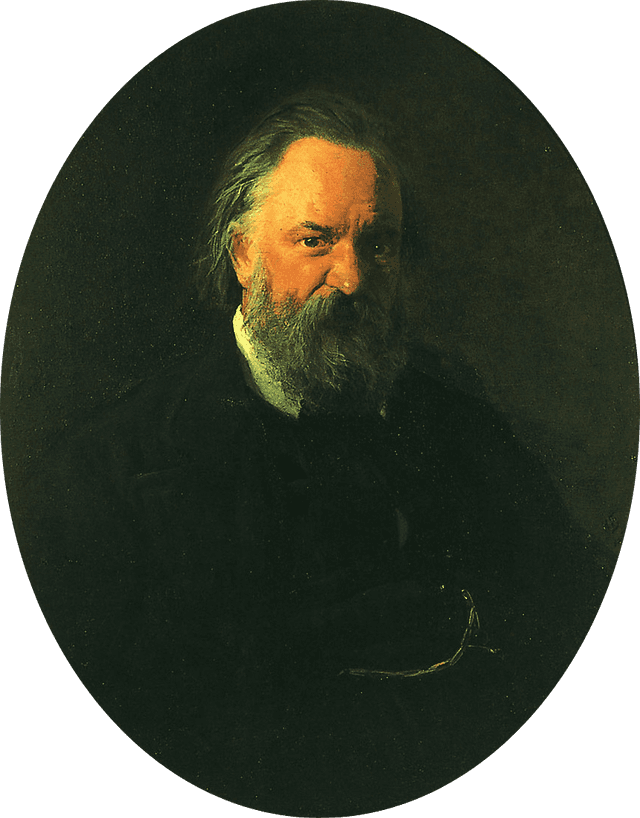
Aleksandr Herzen
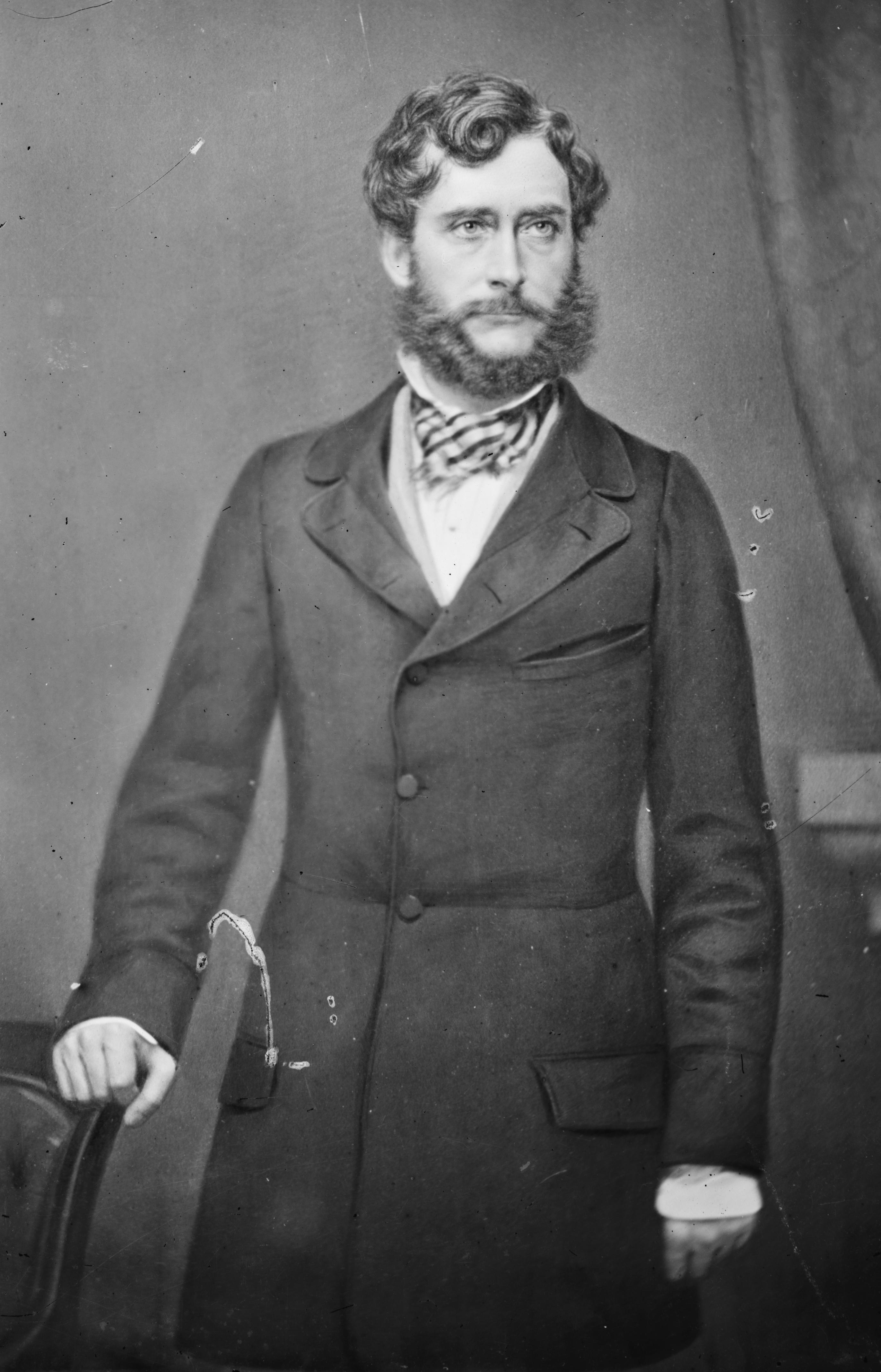
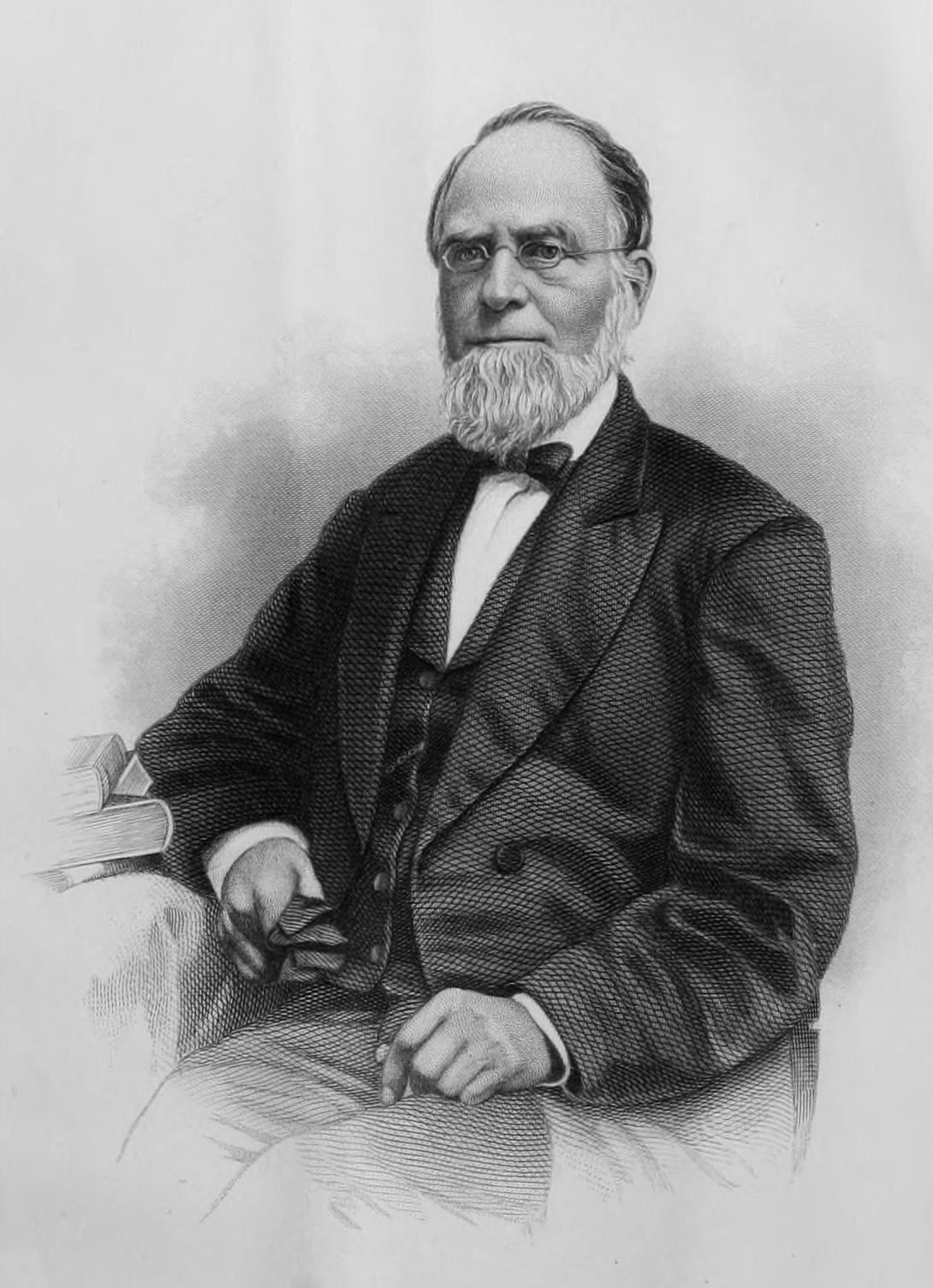
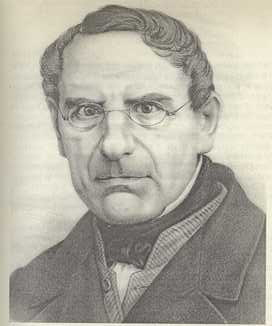
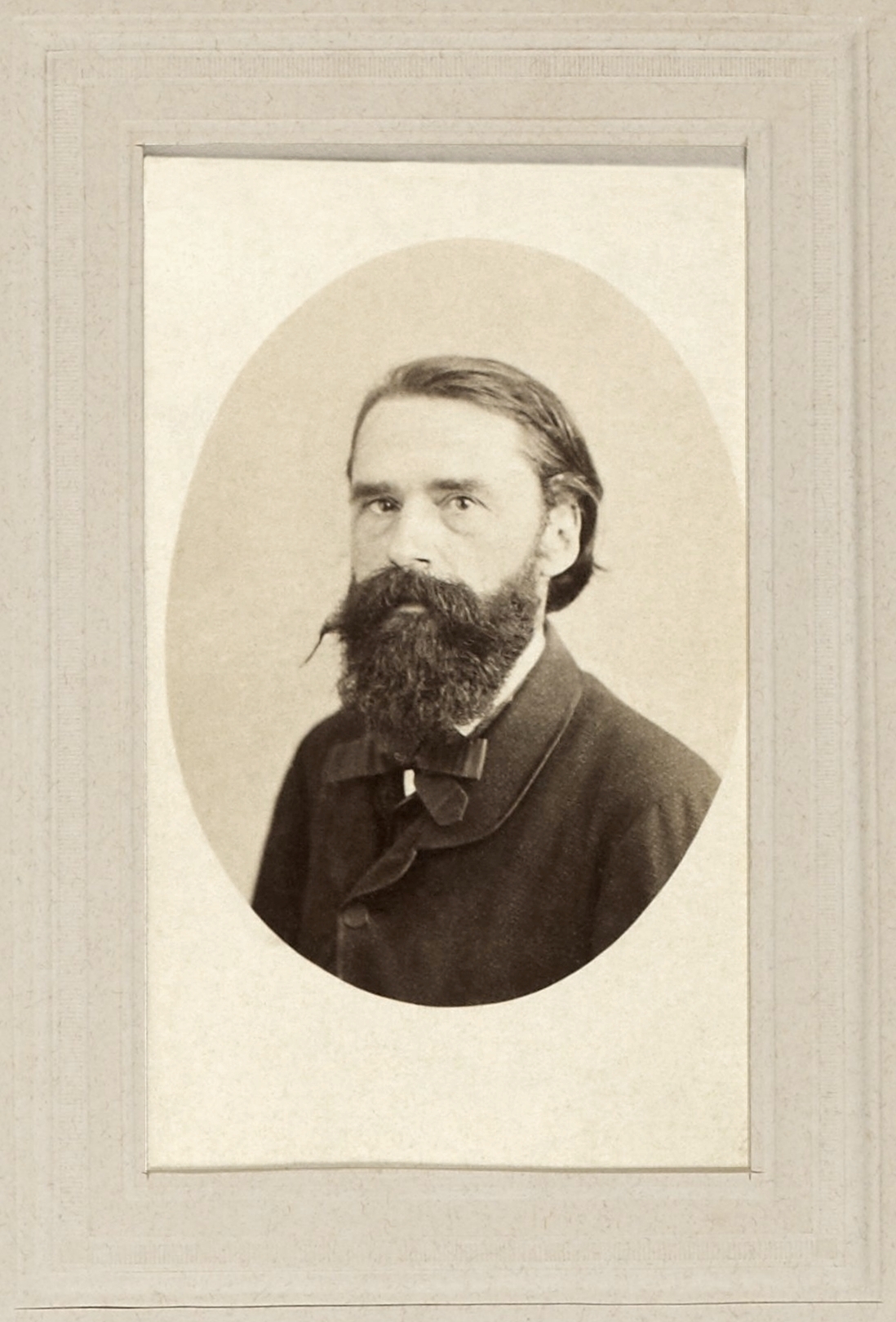
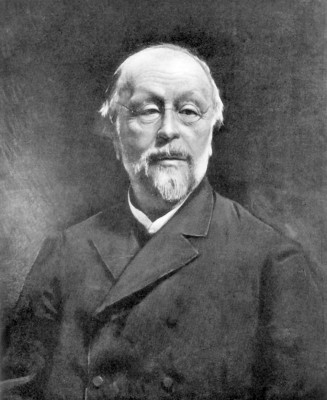
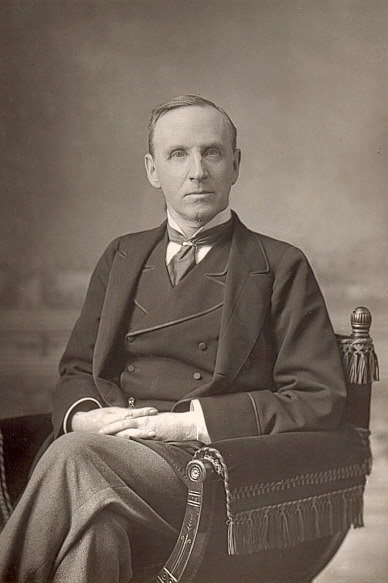
Aleksandr Herzen was a pivotal Russian writer and thinker, recognized as a precursor to Russian socialism and a significant figure in the development of agrarian populism. Born into a privileged family, he became an outspoken critic of the social and political injustices in Russia. His exile in London allowed him to articulate his revolutionary ideas, which contributed to the growing political consciousness that ultimately led to the emancipation of the serfs in 1861. Herzen's influential social novel, 'Who is to Blame?' (1845–46), explored the moral dilemmas of Russian society, while his autobiographical work, 'My Past and Thoughts' (written between 1852 and 1870), is celebrated for its introspective depth and narrative style, marking a high point in Russian autobiographical literature. Herzen's legacy lies not only in his literary contributions but also in his role as a catalyst for social change. He inspired generations of Russian intellectuals and activists, becoming an ideological ancestor to various revolutionary movements, including the Narodniki and the Socialist-Revolutionaries. His writings continue to be studied for their profound insights into the human condition and the socio-political landscape of 19th-century Russia, solidifying his place as a foundational figure in the history of Russian thought and literature.
Famous Quotes
View all 2 quotes“Nothing is easier than to sit, like Father Matthew,[17] in the seat of judgement and condemn drunkenness, while you are yourself intoxicated with sobriety;””
“There is no art more akin to mysticism than architecture.””
Books from the author






Link to this page
Add a free, dofollow link to Lex on your blog, forum, syllabus, or reading list.

<a href="https://lex-books.com/author/aleksandr-herzen"><img src="https://lex-books.com/badges/read-on-lex.svg" alt="Aleksandr Herzen on Lex" width="160" height="40"></a>[](https://lex-books.com/author/aleksandr-herzen)[url=https://lex-books.com/author/aleksandr-herzen][img]https://lex-books.com/badges/read-on-lex.svg[/img][/url]Aleksandr Herzen on Lex: https://lex-books.com/author/aleksandr-herzen