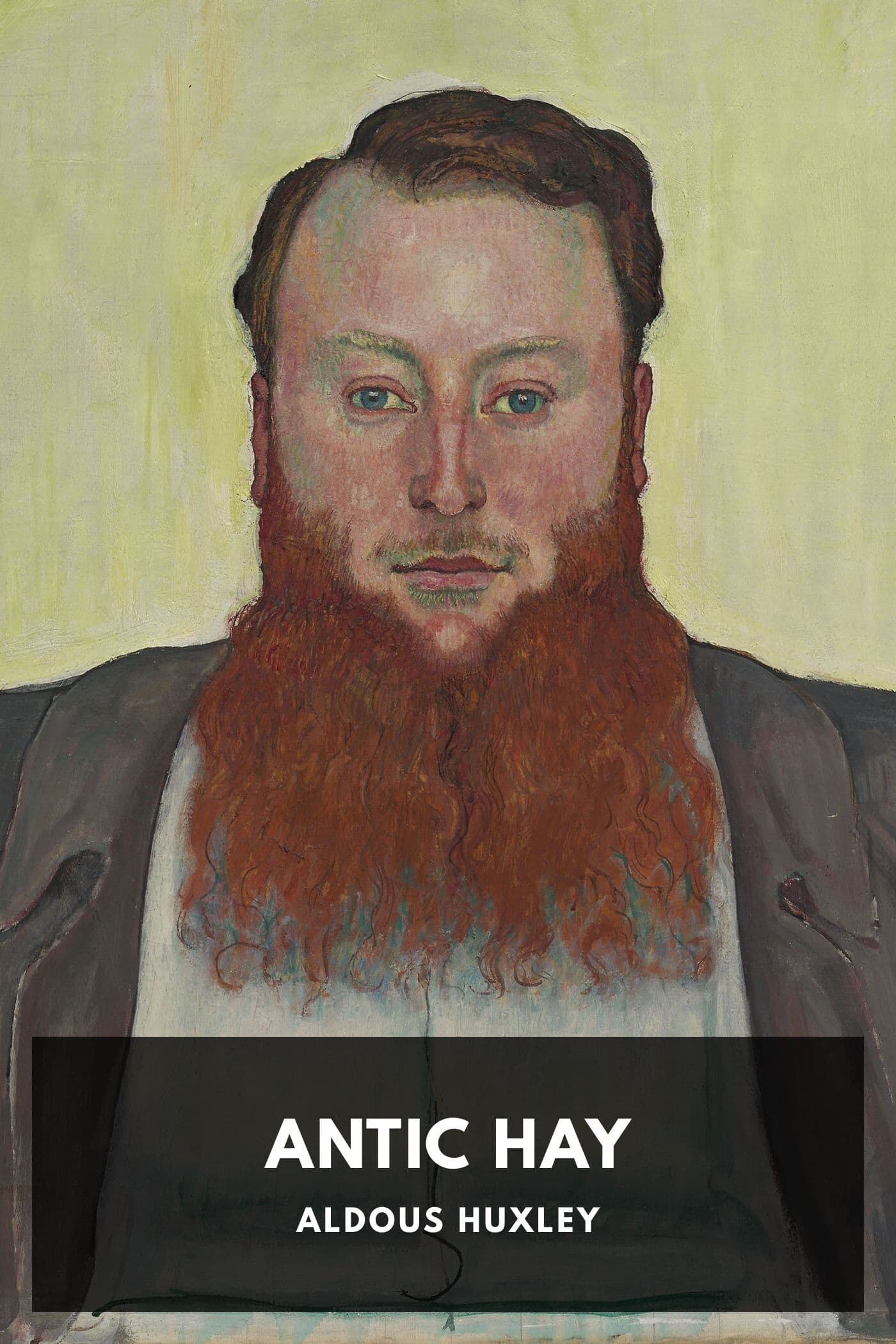
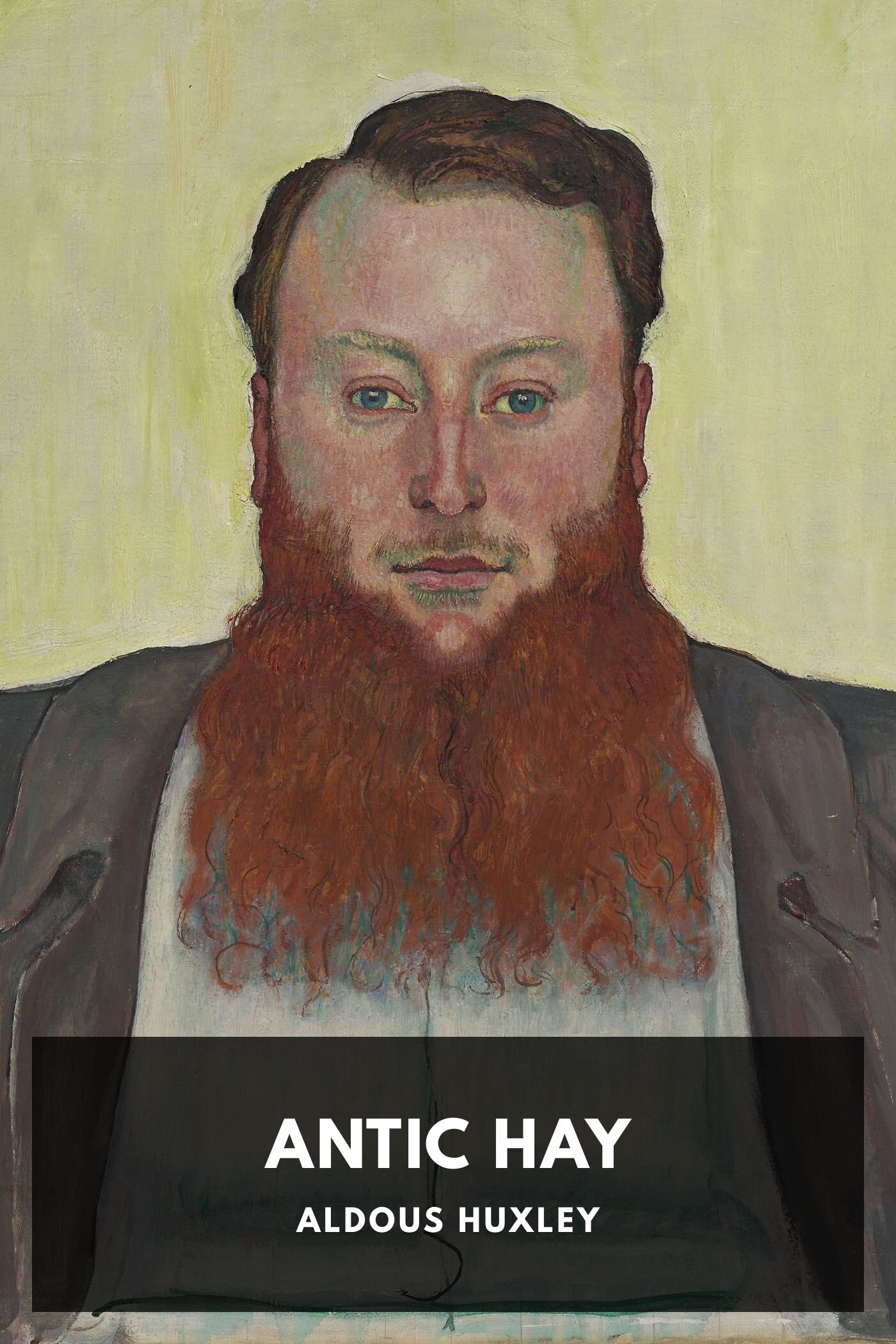
Antic Hay
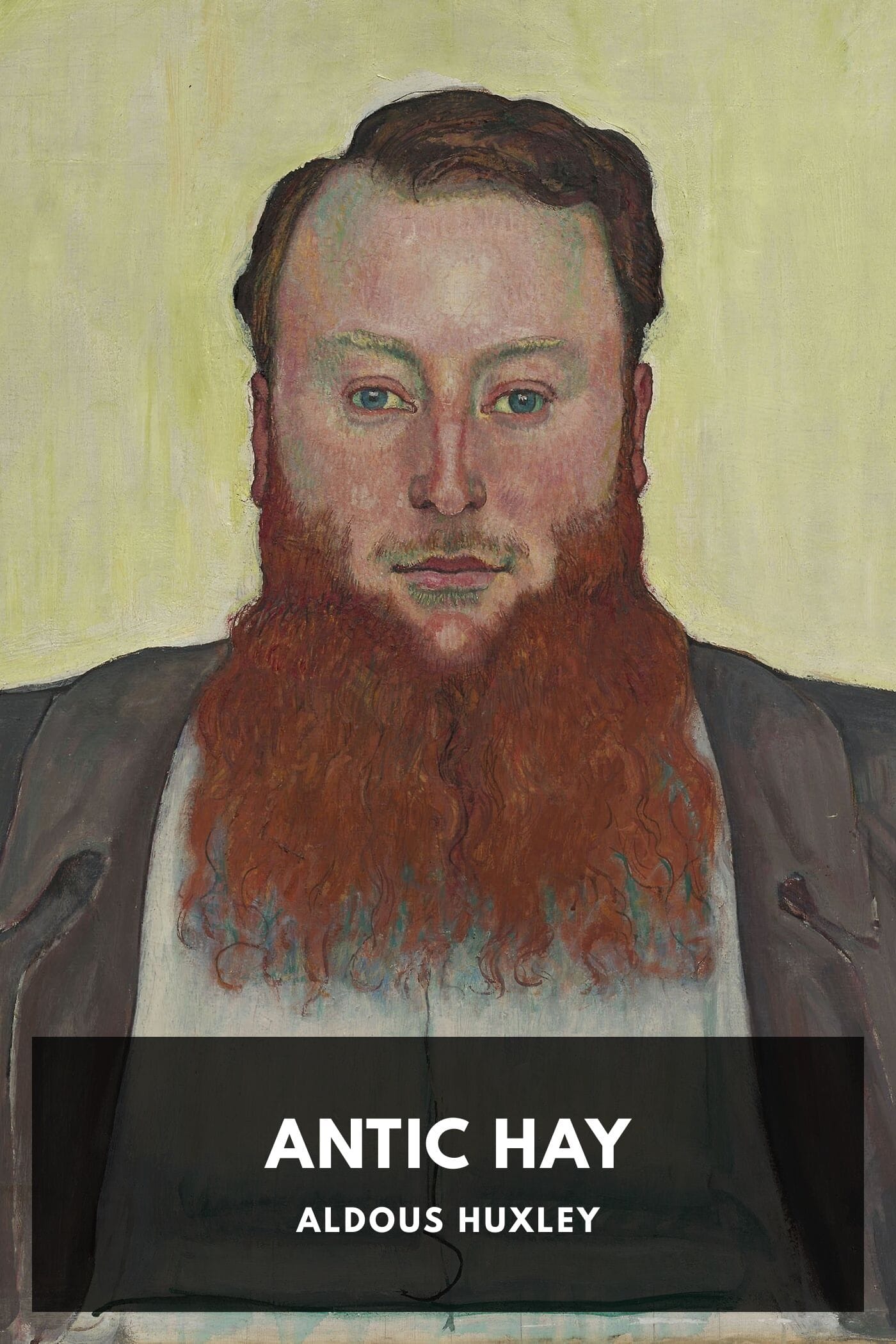
Step into the roaring, post-WWI London of Theodore Gumbril Junior, a disillusioned schoolteacher who trades chalk dust for the quixotic pursuit of pneumatic trousers. As Gumbril navigates the absurdities of inventing and marketing inflatable pants, he simultaneously stumbles through a series of romantic misadventures. His quest for connection is mirrored by his bohemian circle of friends and acquaintances, all grappling with a profound sense of existential ennui and searching for meaning in a world that feels increasingly fragmented and aimless.
Editions

X-Ray
A disillusioned schoolmaster turned inventor who abandons teaching to pursue his Patent Small-Clothes business. He adopts various personas including the 'Complete Man' with a false beard, struggling with authenticity and purpose in post-war London.
A sophisticated, world-weary woman haunted by the death of her lover Tony Lamb in WWI. She embodies post-war disillusionment and ennui, unable to feel genuine emotion or find meaning in relationships.
A passionate but unsuccessful artist who believes in the spiritual mission of art. He represents the struggling artist archetype, full of grandiose theories but lacking commercial success or critical recognition.
A dedicated physiologist obsessed with his scientific work, particularly kidney research. He represents single-minded scientific pursuit but is naive about human relationships and his wife's infidelity.
About Antic Hay
Chapter Summaries
- I
- Gumbril Junior sits in school chapel contemplating God and existence while listening to the Reverend Pelvey. He conceives the idea for pneumatic trousers and decides to abandon his teaching career. The chapter establishes his dissatisfaction with conventional life and his search for something more meaningful.
- II
- Gumbril visits his father and meets Mr. Porteous. Gumbril Senior reveals his architectural models showing how London could have been rebuilt according to Wren's plans after the Great Fire. The chapter contrasts idealistic vision with practical reality.
- III
- Gumbril visits Mr. Bojanus to have his Patent Small-Clothes made. The tailor expounds his revolutionary political theories while creating the prototype. The chapter explores class consciousness and social change through the working man's perspective.
Key Themes
- Post-War Disillusionment
- The novel captures the spiritual emptiness and moral confusion of the generation that survived World War I. Characters like Mrs. Viveash embody this disillusionment, unable to recapture pre-war innocence or find new meaning in a changed world.
- Authenticity vs. Performance
- Gumbril's adoption of the 'Complete Man' persona with a false beard represents the broader theme of authentic self versus performed identity. Characters struggle between genuine feeling and social roles, often losing themselves in the performance.
- The Corruption of Innocence
- The novel contrasts pure characters like Emily with the corrupted urban sophisticates. Coleman's deliberate corruption of the young Dante exemplifies how innocence is systematically destroyed by cynical experience.
Characters
- Theodore Gumbril Junior(protagonist)
- A disillusioned schoolmaster turned inventor who abandons teaching to pursue his Patent Small-Clothes business. He adopts various personas including the 'Complete Man' with a false beard, struggling with authenticity and purpose in post-war London.
- Mrs. Myra Viveash(major)
- A sophisticated, world-weary woman haunted by the death of her lover Tony Lamb in WWI. She embodies post-war disillusionment and ennui, unable to feel genuine emotion or find meaning in relationships.
- Casimir Lypiatt(major)
- A passionate but unsuccessful artist who believes in the spiritual mission of art. He represents the struggling artist archetype, full of grandiose theories but lacking commercial success or critical recognition.
- Shearwater(major)
- A dedicated physiologist obsessed with his scientific work, particularly kidney research. He represents single-minded scientific pursuit but is naive about human relationships and his wife's infidelity.
- Rosie Shearwater(major)
- Shearwater's neglected wife who has an affair with Gumbril's Complete Man persona. She represents the bored housewife seeking excitement and attention from her work-obsessed husband.
- Emily(major)
- A young, innocent woman with a traumatic marriage behind her. She represents purity and natural goodness, offering Gumbril a chance at genuine love and simplicity away from London's corruption.
Link to this book
Add a free, dofollow link to Lex on your blog, forum, syllabus, or reading list.

<a href="https://lex-books.com/book/antic-hay-22e8167d-bee6-4da2-bb55-8c21daa20d18"><img src="https://lex-books.com/badges/read-on-lex.svg" alt="Read Antic Hay by Aldous Huxley free on Lex" width="160" height="40"></a>[](https://lex-books.com/book/antic-hay-22e8167d-bee6-4da2-bb55-8c21daa20d18)[url=https://lex-books.com/book/antic-hay-22e8167d-bee6-4da2-bb55-8c21daa20d18][img]https://lex-books.com/badges/read-on-lex.svg[/img][/url]Read Antic Hay by Aldous Huxley free on Lex: https://lex-books.com/book/antic-hay-22e8167d-bee6-4da2-bb55-8c21daa20d18Cite this book
Reading this edition for a paper or guide? Copy a citation.
Huxley, Aldous. Antic Hay. Lex, lex-books.com/book/antic-hay-22e8167d-bee6-4da2-bb55-8c21daa20d18.Huxley, A. (n.d.). Antic Hay. Lex. https://lex-books.com/book/antic-hay-22e8167d-bee6-4da2-bb55-8c21daa20d18Huxley, Aldous. Antic Hay. Lex. https://lex-books.com/book/antic-hay-22e8167d-bee6-4da2-bb55-8c21daa20d18.