Alcide Dessalines d' Orbigny
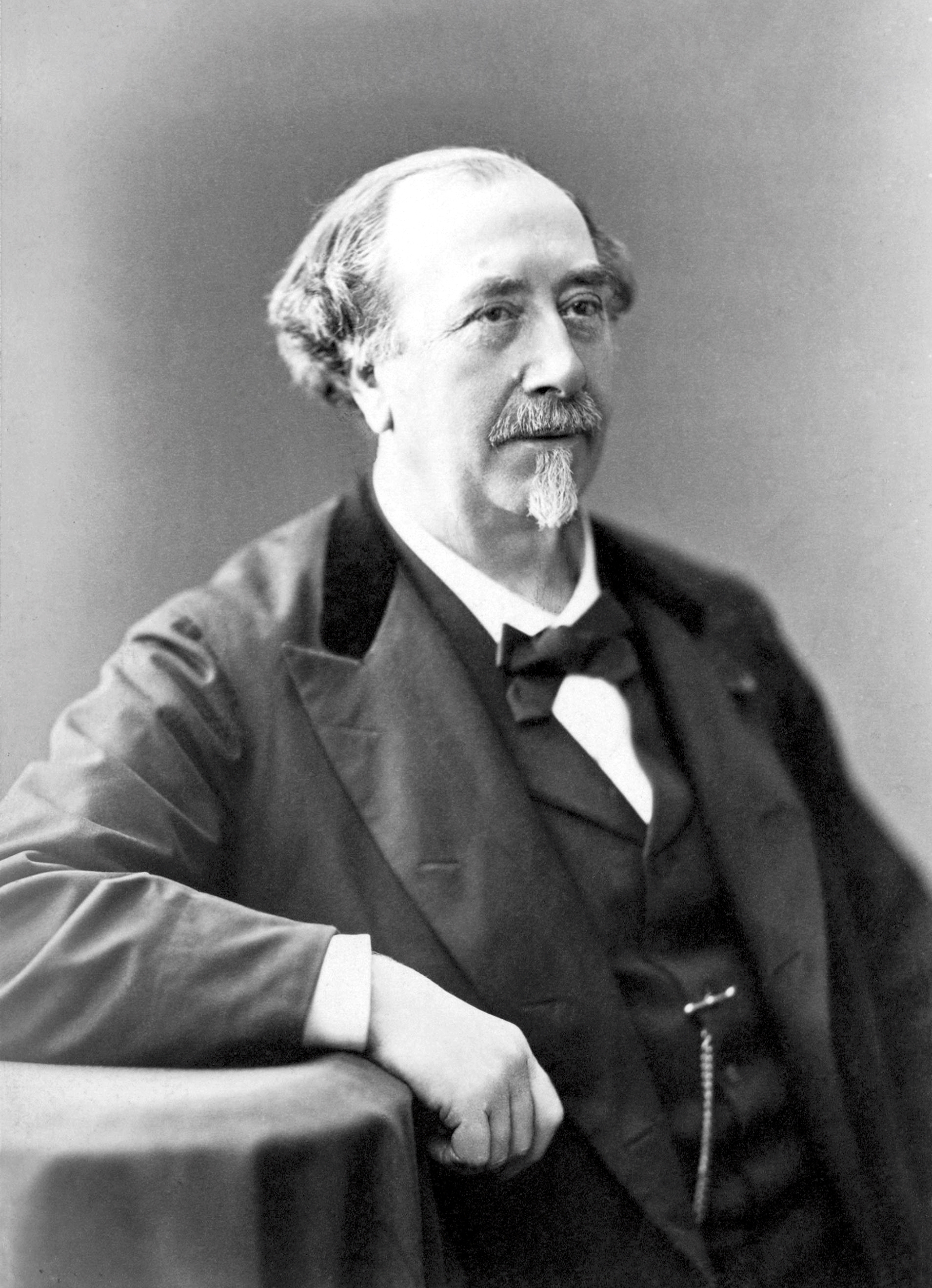
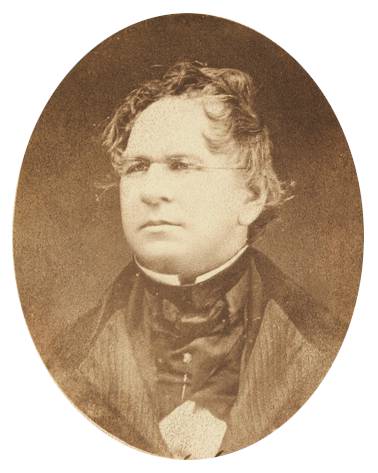
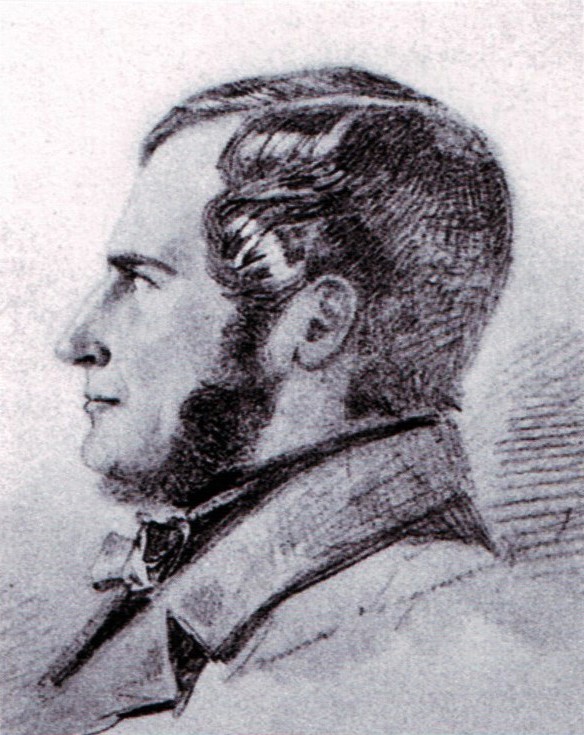
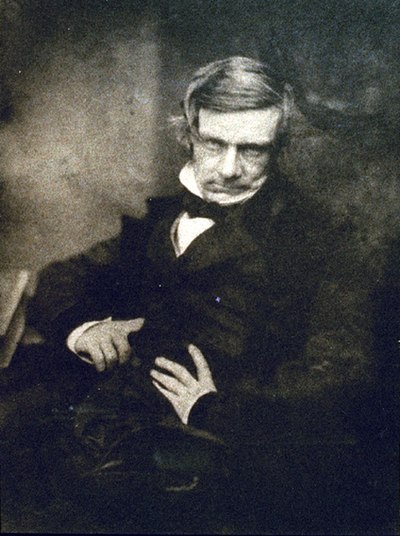
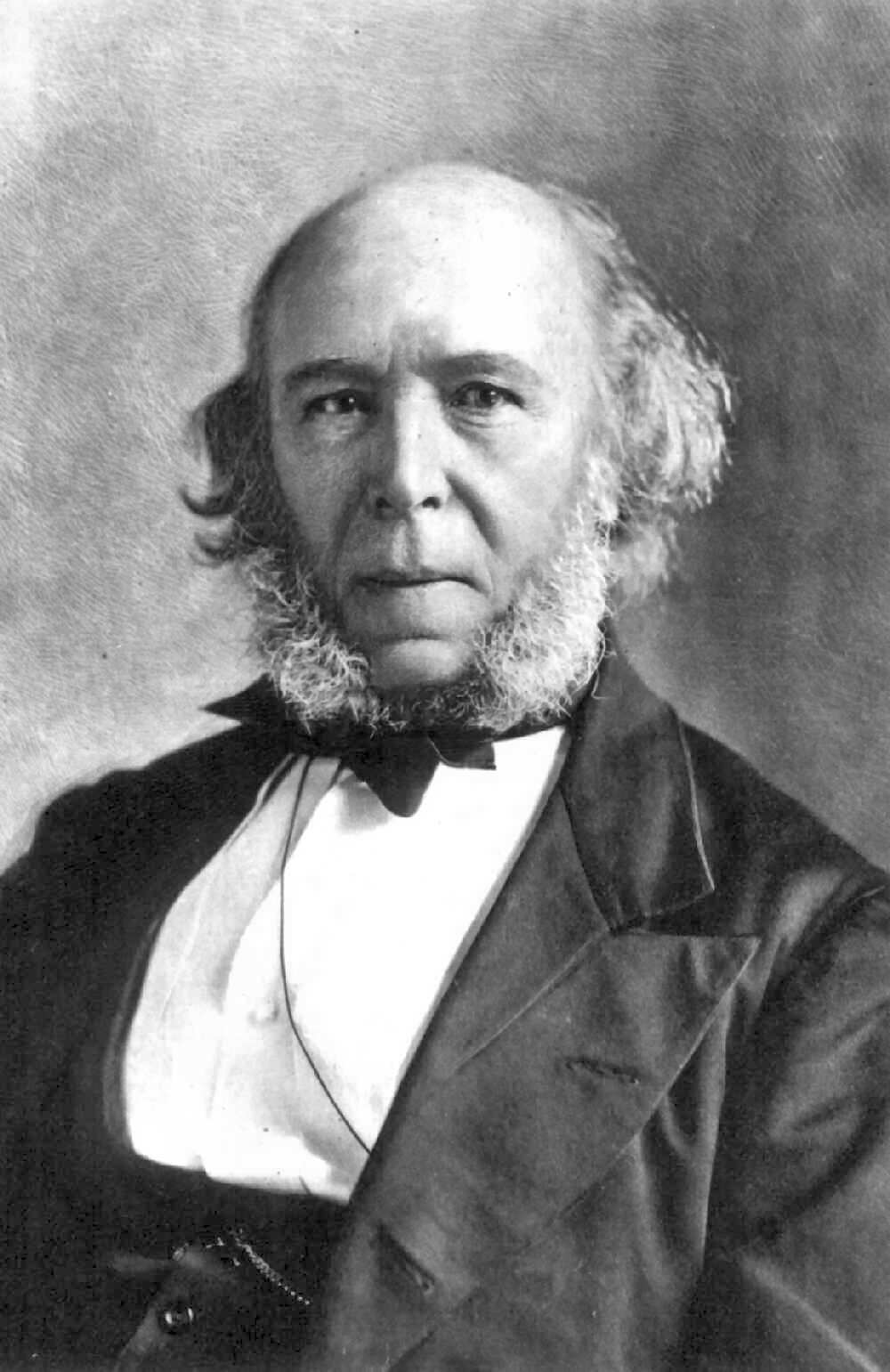
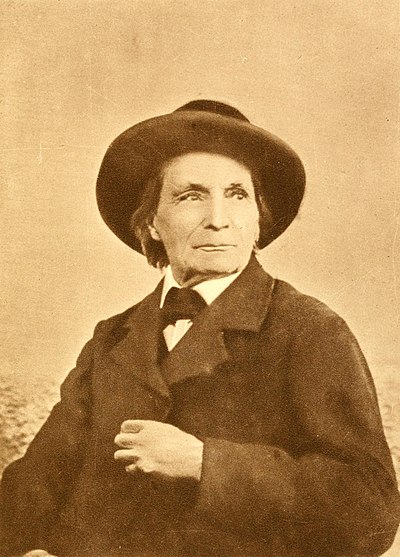
Alcide Dessalines d'Orbigny was a prominent French naturalist whose extensive work spanned multiple scientific disciplines, including zoology, palaeontology, geology, archaeology, and anthropology. Born in Couëron, France, he developed a passion for natural history while studying marine fauna in La Rochelle, particularly focusing on microscopic organisms known as foraminiferans. His academic journey led him to Paris, where he became a protégé of renowned figures such as Pierre Louis Antoine Cordier and Georges Cuvier, the latter of whom greatly influenced his scientific approach. D'Orbigny remained a staunch supporter of Cuvier's theories throughout his career, often opposing the ideas of Lamarckism that were gaining traction in his time. D'Orbigny is perhaps best known for his pioneering contributions to palaeontology and his detailed studies of fossilized remains, which significantly advanced the understanding of extinct species. His notable works include 'Paléontologie française,' a comprehensive account of French fossils, and 'Voyage dans l'Amérique du Sud,' documenting his explorations in South America. His meticulous observations and classifications laid the groundwork for future research in various fields of natural history. D'Orbigny's legacy endures through his influential publications and the foundational role he played in the development of modern natural sciences, marking him as a key figure in the scientific community of the 19th century.
Books from the author


Link to this page
Add a free, dofollow link to Lex on your blog, forum, syllabus, or reading list.

<a href="https://lex-books.com/author/alcide-dessalines-d-orbigny"><img src="https://lex-books.com/badges/read-on-lex.svg" alt="Alcide Dessalines d' Orbigny on Lex" width="160" height="40"></a>[](https://lex-books.com/author/alcide-dessalines-d-orbigny)[url=https://lex-books.com/author/alcide-dessalines-d-orbigny][img]https://lex-books.com/badges/read-on-lex.svg[/img][/url]Alcide Dessalines d' Orbigny on Lex: https://lex-books.com/author/alcide-dessalines-d-orbigny