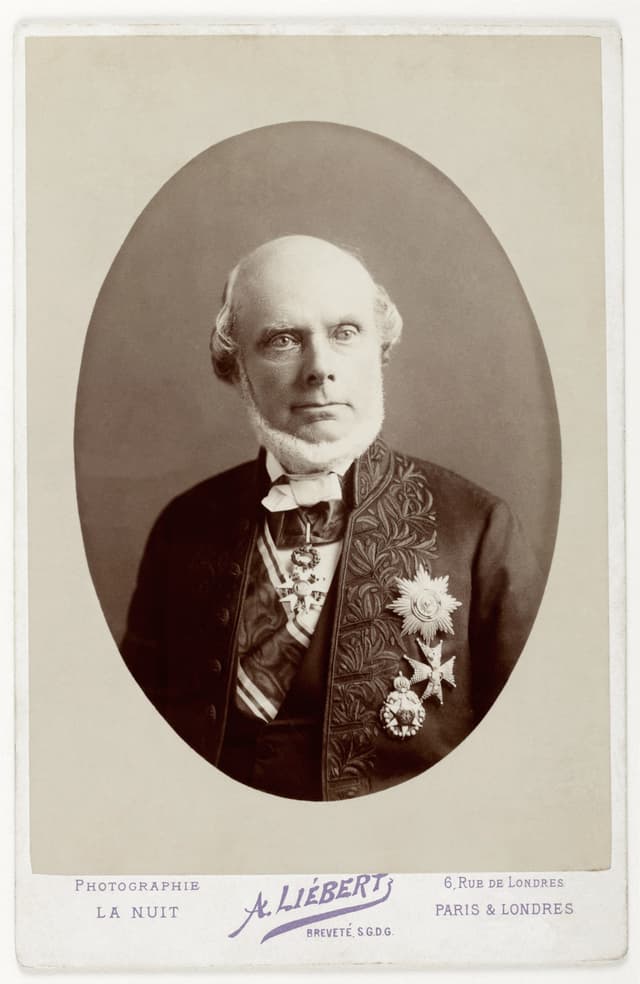
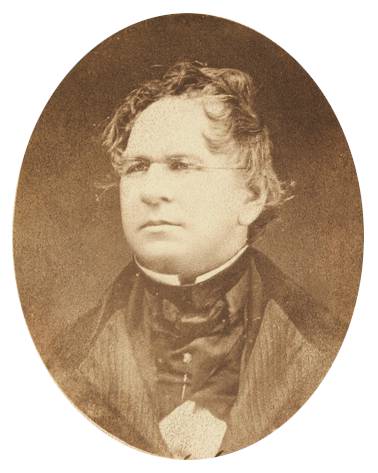
A. de Quatrefages
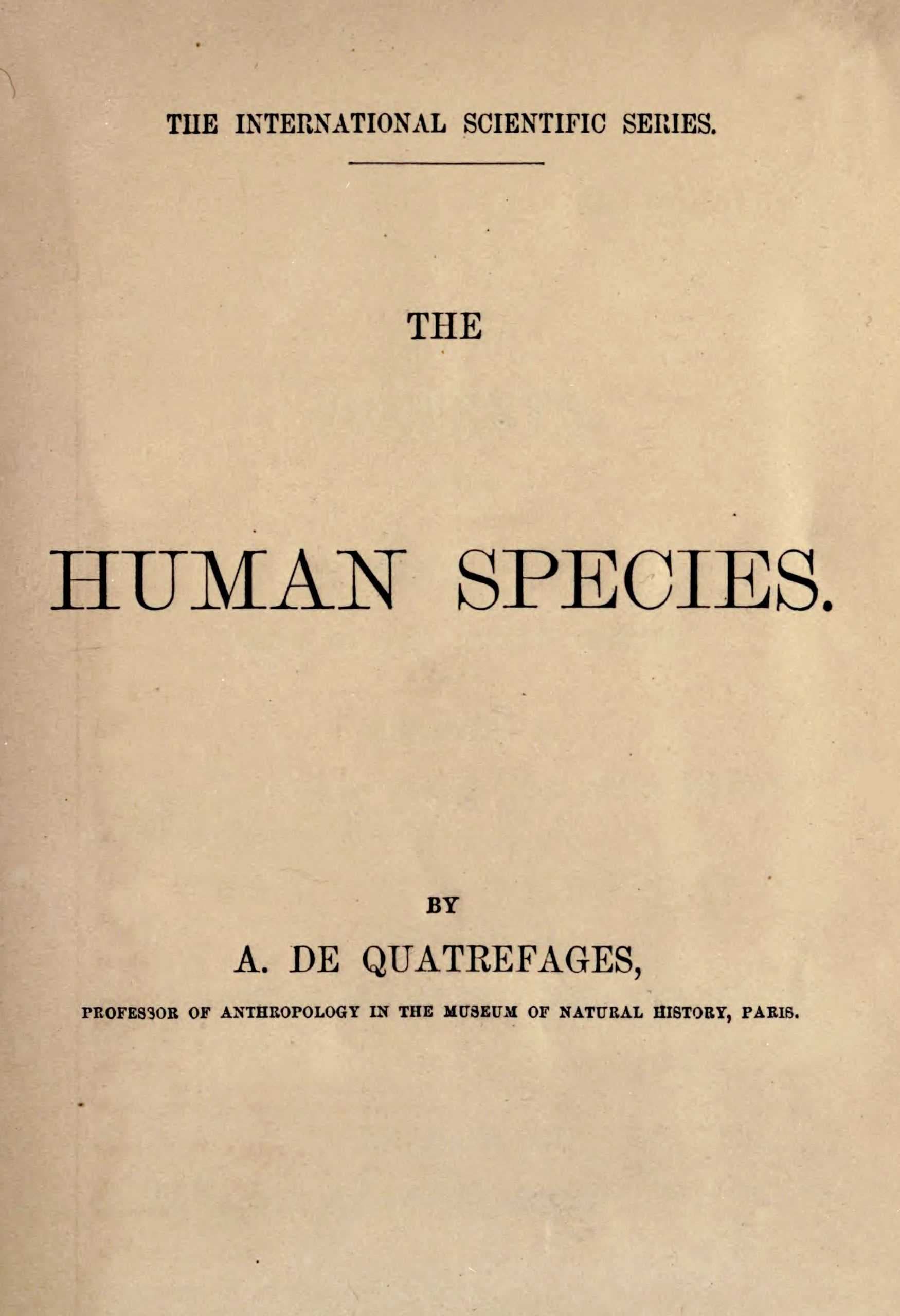
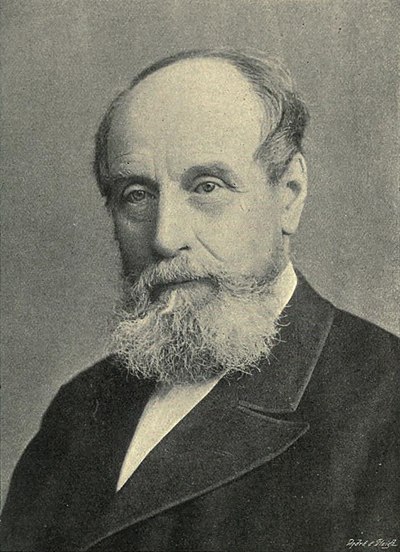
Armand de Quatrefages was a prominent French naturalist and anthropologist, recognized for his contributions to the study of human evolution and species classification. Born in 1810, he dedicated much of his career to exploring the diversity of human beings and their origins, which was a significant focus of scientific inquiry during the 19th century. His most notable work, 'The Human Species,' published in 1861, examined the variations among human populations and argued against the prevailing theories of racial hierarchy, advocating instead for a more nuanced understanding of human diversity based on environmental and cultural factors. De Quatrefages' work was influential in the fields of anthropology and biology, as he sought to integrate scientific rigor with a moral perspective on human differences. His ideas contributed to the early discussions on human rights and the importance of recognizing the shared humanity among different cultures. Throughout his life, he remained an advocate for scientific education and the dissemination of knowledge, leaving a legacy that would influence future generations of anthropologists and naturalists. De Quatrefages passed away in 1892, but his insights into human diversity continue to resonate in contemporary discussions on race and anthropology.
Books from the author





Link to this page
Add a free, dofollow link to Lex on your blog, forum, syllabus, or reading list.

<a href="https://lex-books.com/author/a-de-quatrefages"><img src="https://lex-books.com/badges/read-on-lex.svg" alt="A. de Quatrefages on Lex" width="160" height="40"></a>[](https://lex-books.com/author/a-de-quatrefages)[url=https://lex-books.com/author/a-de-quatrefages][img]https://lex-books.com/badges/read-on-lex.svg[/img][/url]A. de Quatrefages on Lex: https://lex-books.com/author/a-de-quatrefages