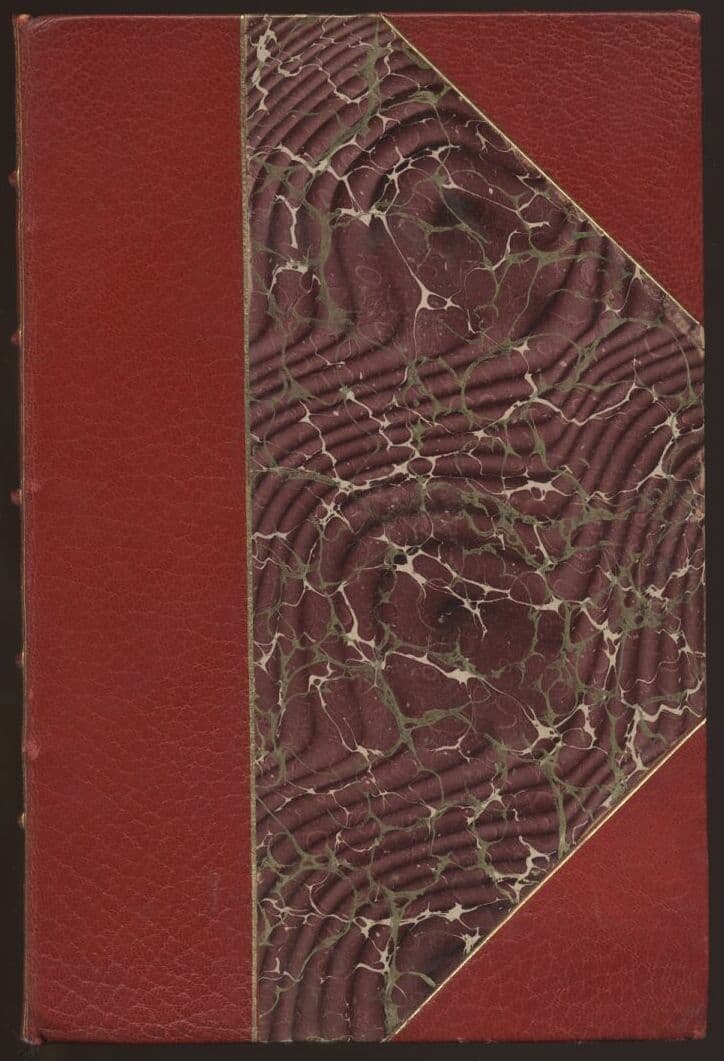
Vera; or the Nihilists
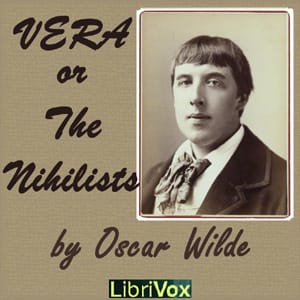
Oscar Wilde before the wit. Before The Importance of Being Earnest and the epigrams that would define a generation, Wilde wrote a Russian revolutionary melodrama that nobody wanted to see. And yet, in this unlikely early work, you can glimpse the makings of a playwright who would later revolutionize English comedy. Vera; or, The Nihilists takes its inspiration from the real Vera Zasulich, the woman who shot a tsarist governor in 1878 and became a revolutionary icon. The play follows Vera Sabouroff, a young woman committed to the nihilist cause, as she navigates love, loyalty, and the demands of underground resistance against the tsarist regime. When her brother becomes entangled in the web of revolutionary politics and suspicion, she faces an impossible choice between the movement that defines her and the family that shaped her. General Kotemkin looms as the embodiment of autocratic tyranny, and the nihilists plot their desperate strike against a regime that has crushed Russia under its heel. The play failed in both London (1880) and New York (1882), folding within weeks. Victorian audiences weren't ready for this kind of Russian darkness, this blend of political terrorism and melodramatic romance. Today it remains one of Wilde's least-performed works, a curiosity for those who want to see where the master began. It matters because it reveals Wilde experimenting with ideas of sacrifice, idealism, and the high cost of conviction, themes he'd later render with far more subtlety and style.
Editions

Link to this book
Add a free, dofollow link to Lex on your blog, forum, syllabus, or reading list.

<a href="https://lex-books.com/book/vera-or-the-nihilists-1e37a6c4-2b0a-4116-99ad-47f764e20dc8"><img src="https://lex-books.com/badges/read-on-lex.svg" alt="Read Vera; or the Nihilists by Oscar Wilde free on Lex" width="160" height="40"></a>[](https://lex-books.com/book/vera-or-the-nihilists-1e37a6c4-2b0a-4116-99ad-47f764e20dc8)[url=https://lex-books.com/book/vera-or-the-nihilists-1e37a6c4-2b0a-4116-99ad-47f764e20dc8][img]https://lex-books.com/badges/read-on-lex.svg[/img][/url]Read Vera; or the Nihilists by Oscar Wilde free on Lex: https://lex-books.com/book/vera-or-the-nihilists-1e37a6c4-2b0a-4116-99ad-47f764e20dc8Cite this book
Reading this edition for a paper or guide? Copy a citation.
Wilde, Oscar. Vera; or the Nihilists. Lex, lex-books.com/book/vera-or-the-nihilists-1e37a6c4-2b0a-4116-99ad-47f764e20dc8.Wilde, O. (n.d.). Vera; or the Nihilists. Lex. https://lex-books.com/book/vera-or-the-nihilists-1e37a6c4-2b0a-4116-99ad-47f764e20dc8Wilde, Oscar. Vera; or the Nihilists. Lex. https://lex-books.com/book/vera-or-the-nihilists-1e37a6c4-2b0a-4116-99ad-47f764e20dc8.