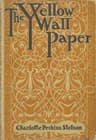
The Yellow Wallpaper
1892

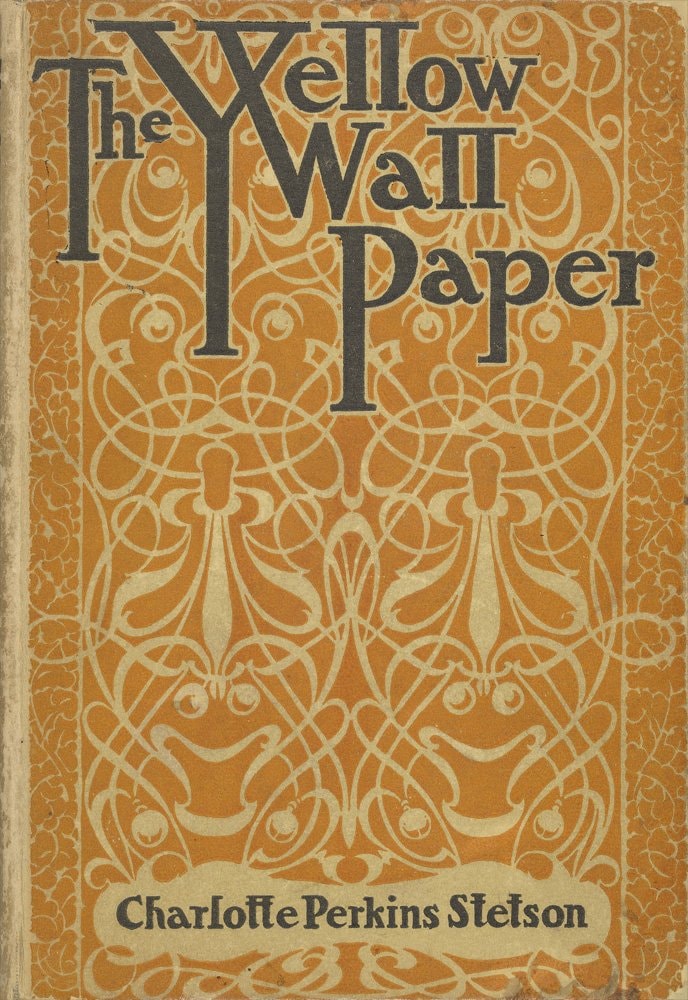
The most terrifying thing about "The Yellow Wallpaper" is how rational its narrator sounds. She is a woman of intelligence and imagination, and she knows something is wrong with her treatment. Her husband John, a physician, has brought her to a remote colonial mansion for the summer, locking her in a former nursery with yellow wallpaper that repulses her. He has forbidden her from writing, from working, from using her mind in any way. The "rest cure" prescribed for her nervous depression is designed to silence her. What follows is a descent into madness documented in journal entries, private, desperate attempts to make sense of what she sees in the wallpaper's pattern. A figure seems to move behind the bars of its design. As her husband dismisses her observations as fancy, as her isolation deepens, she begins to identify with the trapped woman she imagines within the walls. The wallpaper becomes a mirror for her own entrapment. Written in 1892, this story was based on Gilman's own experience with the rest cure. It reads less like period piece and more like a psychological horror story, a chilling indictment of a society that dismissed women's minds as dangerous and in need of silencing. It remains essential reading not because of its historical importance but because it still feels urgent, still feels true.
Editions

X-Ray
“It is the same woman, I know, for she is always creeping, and most women do not creep by daylight.””
— Charlotte Perkins Gilman
“But I MUST say what I feel and think in some way”
— Charlotte Perkins Gilman
“I cry at nothing, and cry most of the time.””
— Charlotte Perkins Gilman
“It does not do to trust people too much.””
— Charlotte Perkins Gilman
“There are things in that paper that nobody knows but me, or ever will.””
— Charlotte Perkins Gilman
“Now why should that man have fainted? But he did,and right across my path by the wall, so that I had to creep over him every time!””
— Charlotte Perkins Gilman
“Nobody would believe what an effort it is to do what little I am able, - to dress and entertain, and order things””
— Charlotte Perkins Gilman
“I am glad my case is not serious! But these nervous troubles are dreadfully depressing. John does not know how much I really suffer. He knows there is no reason to suffer, and that satisfies him.””
— Charlotte Perkins Gilman
“I never saw a worse paper in my life. One of those sprawling flamboyant patterns committing every artistic sin.””
— Charlotte Perkins Gilman
Link to this book
Add a free, dofollow link to Lex on your blog, forum, syllabus, or reading list.

<a href="https://lex-books.com/book/the-yellow-wallpaper-63a4fd05-9117-47e8-ab9a-a4cddfca05ea"><img src="https://lex-books.com/badges/read-on-lex.svg" alt="Read The Yellow Wallpaper by Charlotte Perkins Gilman free on Lex" width="160" height="40"></a>[](https://lex-books.com/book/the-yellow-wallpaper-63a4fd05-9117-47e8-ab9a-a4cddfca05ea)[url=https://lex-books.com/book/the-yellow-wallpaper-63a4fd05-9117-47e8-ab9a-a4cddfca05ea][img]https://lex-books.com/badges/read-on-lex.svg[/img][/url]Read The Yellow Wallpaper by Charlotte Perkins Gilman free on Lex: https://lex-books.com/book/the-yellow-wallpaper-63a4fd05-9117-47e8-ab9a-a4cddfca05eaCite this book
Reading this edition for a paper or guide? Copy a citation.
Gilman, Charlotte Perkins. The Yellow Wallpaper. Lex, lex-books.com/book/the-yellow-wallpaper-63a4fd05-9117-47e8-ab9a-a4cddfca05ea.Gilman, C. P. (1892). The Yellow Wallpaper. Lex. https://lex-books.com/book/the-yellow-wallpaper-63a4fd05-9117-47e8-ab9a-a4cddfca05eaGilman, Charlotte Perkins. The Yellow Wallpaper. Lex. https://lex-books.com/book/the-yellow-wallpaper-63a4fd05-9117-47e8-ab9a-a4cddfca05ea.