Women and Economics: A Study of the Economic Relation Between Men and Women as a Factor in Social Evolution
1898
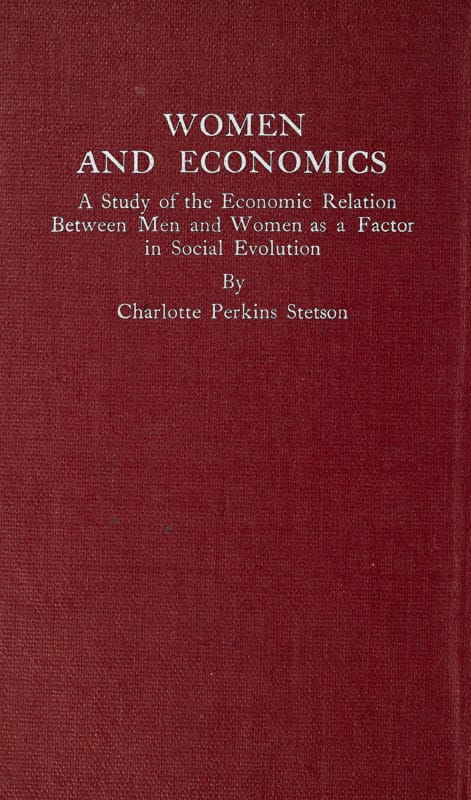
Women and Economics: A Study of the Economic Relation Between Men and Women as a Factor in Social Evolution
1898
One of the most radical texts in early feminist thought arrives with quiet, devastating logic: the economic dependence of women upon men is not a natural arrangement but a historical accident that stunts entire civilizations. Charlotte Perkins Gilman, writing in 1898, dismantled the mythology of domesticity with the precision of a sociologist and the urgency of a reformer. She argues that when half the population is denied independent economic existence, society loses not only women's talents but the benefits of their full participation in civic, intellectual, and creative life. Gilman traces the evolution from relative sex equality in early societies to the artificial construction of women's economic dependence, showing how this arrangement harms everyone, men included. The book electrified Victorian readers and was translated into seven languages. Its central claim, that economic independence is the foundation of true personhood, remains startlingly relevant over a century later. For anyone seeking to understand the deep roots of feminist critique or the economic foundations of gender inequality, this is essential ground zero.
Editions

X-Ray
“There is no female mind. The brain is not an organ of sex. As well speak of a female liver.””
— Charlotte Perkins Gilman
“We all need one another; much and often. Just as every human creature needs a place to be alone in, a sacred, private "home" of his own, so all human creatures need a place to be together in, from the two who can show each other their souls uninterruptedly, to the largest throng that can throb and stir in unison.””
— Charlotte Perkins Gilman
“Is this the condition of human motherhood? Does the human mother, by her motherhood, thereby lose control of brain and body, lose power and skill and desire for any other work? Do we see before us the human race, with all its females segregated entirely to the uses of motherhood, consecrated, set apart, specially developed, spending every power of their nature on the service of their children?We do not. We see the human mother worked far harder than a mare, laboring her life long in the service, not of her children only, but of men; husbands, brothers, fathers, whatever male relatives she has; for mother and sister also; for the church a little, if she is allowed; for society, if she is able; for charity and education and reform,”
— Charlotte Perkins Gilman
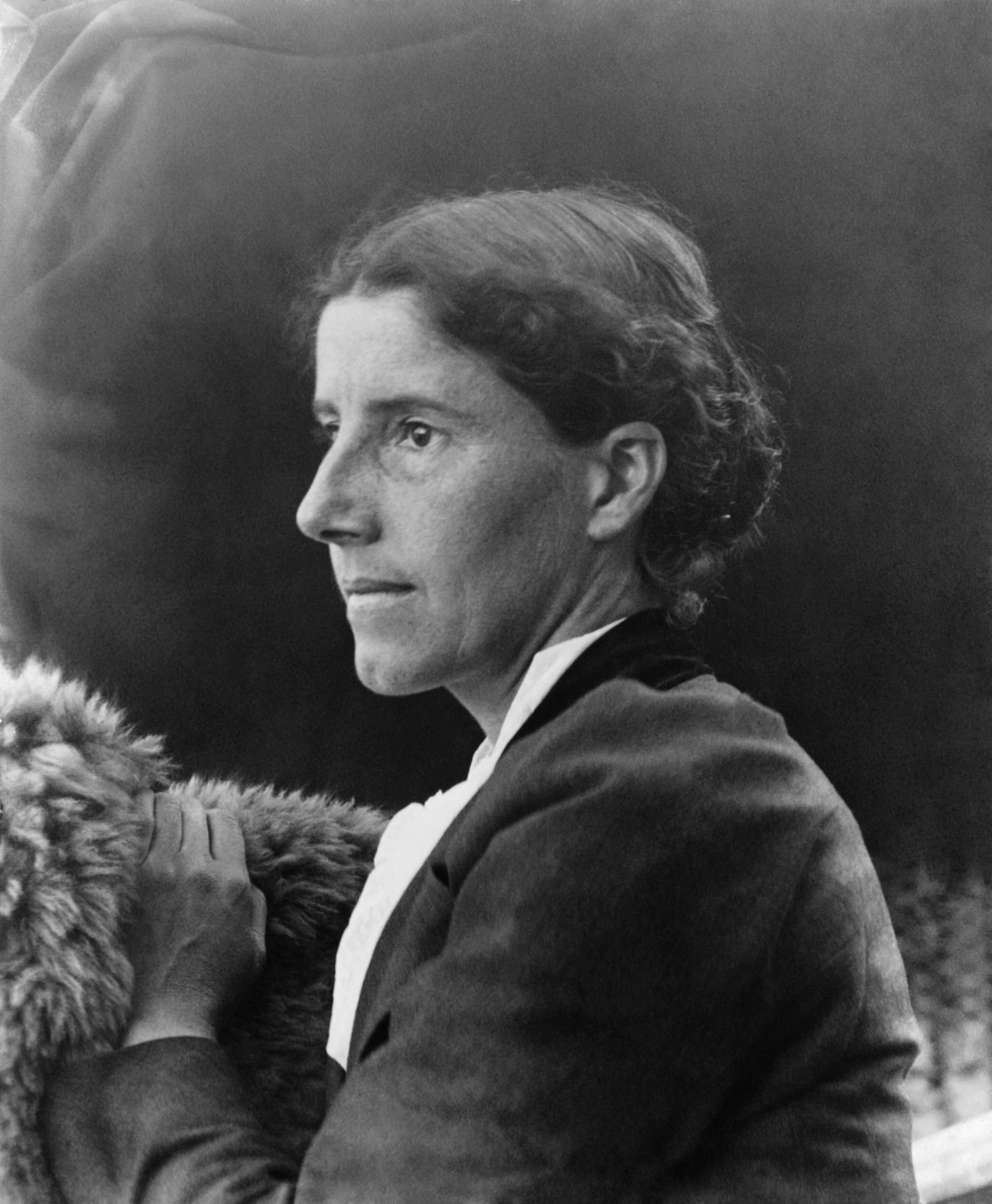
“Charlotte Perkins Gilman (1860–1935) was a prominent American feminist, sociologist, novelist, writer of short stories, poetry, and nonfiction, and a lecturer for social reform.””
— Charlotte Perkins Gilman
Link to this book
Add a free, dofollow link to Lex on your blog, forum, syllabus, or reading list.

<a href="https://lex-books.com/book/women-and-economics-a-study-of-the-economic-relation-between-men-and-women-as-a--61f0928d-a3cd-44c0-84af-99b9c9184eb6"><img src="https://lex-books.com/badges/read-on-lex.svg" alt="Read Women and Economics: A Study of the Economic Relation Between Men and Women as a Factor in Social Evolution by Charlotte Perkins Gilman free on Lex" width="160" height="40"></a>[](https://lex-books.com/book/women-and-economics-a-study-of-the-economic-relation-between-men-and-women-as-a--61f0928d-a3cd-44c0-84af-99b9c9184eb6)[url=https://lex-books.com/book/women-and-economics-a-study-of-the-economic-relation-between-men-and-women-as-a--61f0928d-a3cd-44c0-84af-99b9c9184eb6][img]https://lex-books.com/badges/read-on-lex.svg[/img][/url]Read Women and Economics: A Study of the Economic Relation Between Men and Women as a Factor in Social Evolution by Charlotte Perkins Gilman free on Lex: https://lex-books.com/book/women-and-economics-a-study-of-the-economic-relation-between-men-and-women-as-a--61f0928d-a3cd-44c0-84af-99b9c9184eb6Cite this book
Reading this edition for a paper or guide? Copy a citation.
Gilman, Charlotte Perkins. Women and Economics: A Study of the Economic Relation Between Men and Women as a Factor in Social Evolution. Lex, lex-books.com/book/women-and-economics-a-study-of-the-economic-relation-between-men-and-women-as-a--61f0928d-a3cd-44c0-84af-99b9c9184eb6.Gilman, C. P. (1898). Women and Economics: A Study of the Economic Relation Between Men and Women as a Factor in Social Evolution. Lex. https://lex-books.com/book/women-and-economics-a-study-of-the-economic-relation-between-men-and-women-as-a--61f0928d-a3cd-44c0-84af-99b9c9184eb6Gilman, Charlotte Perkins. Women and Economics: A Study of the Economic Relation Between Men and Women as a Factor in Social Evolution. Lex. https://lex-books.com/book/women-and-economics-a-study-of-the-economic-relation-between-men-and-women-as-a--61f0928d-a3cd-44c0-84af-99b9c9184eb6.