The Vanity of Human Wishes (1749) and Two Rambler Papers (1750)
The Vanity of Human Wishes (1749) and Two Rambler Papers (1750)
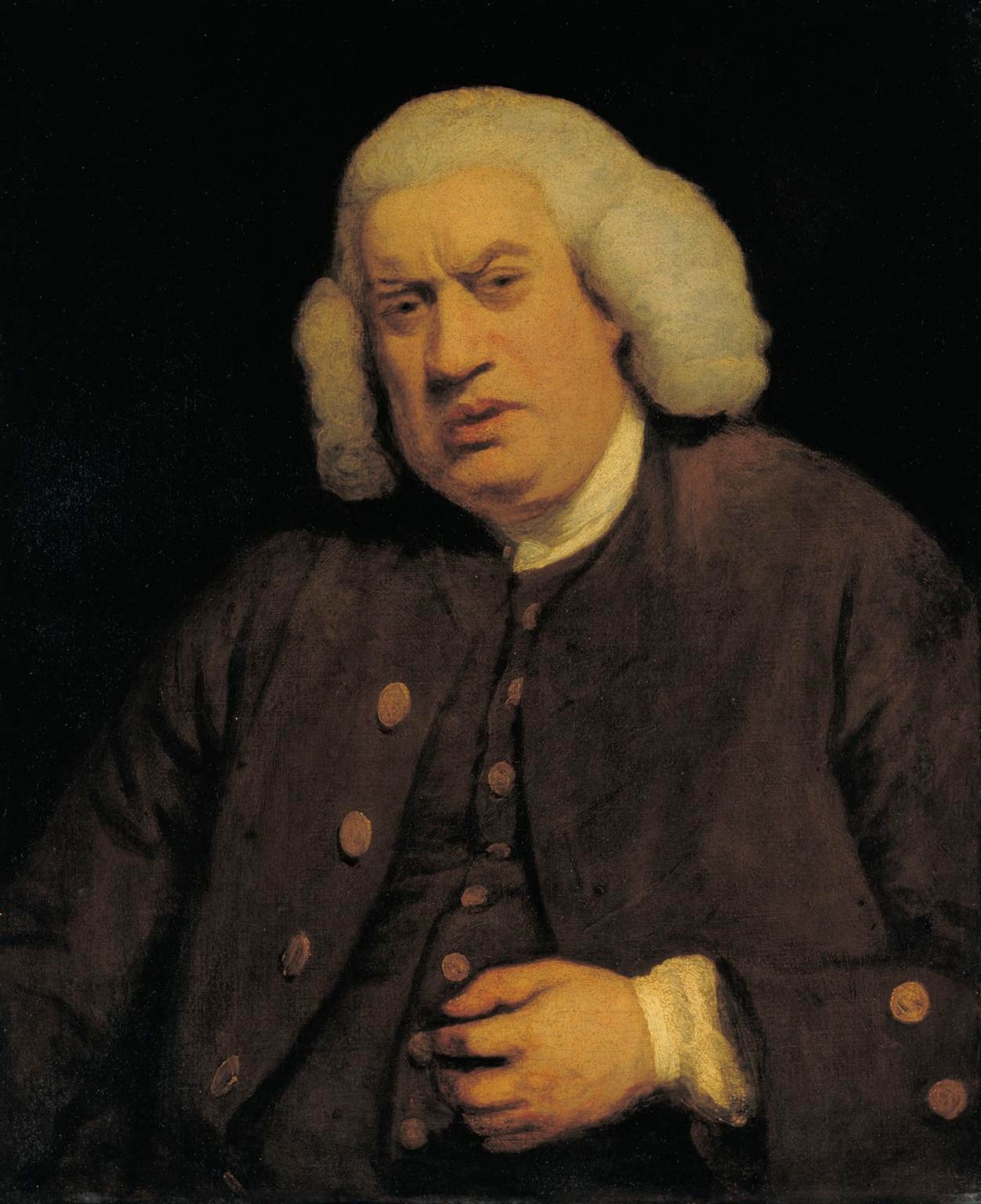
Samuel Johnson wrote this book in the gray autumn of the 1740s, but his diagnosis of human ambition has never gone out of style. The centerpiece, "The Vanity of Human Wishes," is a viciously clever adaptation of Juvenal's Tenth Satire: a poem that roasts the great and powerful by showing what they actually get for all their striving. The scholar goes blind poring over books. The general dies in a war nobody remembers. Charles XII of Sweden conquers half Europe and loses his head. Cardinal Wolsey rises to be England's second-most powerful man, then dies in exile begging for mercy from a king he once commanded. It's brutal, it's funny, it's 250 years old, and it still stings. The two Rambler essays that accompany it offer the same medicine in prose: meditations on happiness, on the gap between what we imagine we want and what actually satisfies. Johnson's argument isn't that ambition is evil, but that we mistake its object. True contentment, he insists, comes from virtue and honest self-knowledge, not from crowns or conquests. His wit is sharp, his logic relentless, his Christian resignation ultimately hopeful. For anyone who's ever wanted something badly and wondered if the wanting was the trap, this book is for you.
Editions
Link to this book
Add a free, dofollow link to Lex on your blog, forum, syllabus, or reading list.

<a href="https://lex-books.com/book/the-vanity-of-human-wishes-1749-and-two-rambler-papers-1750-0dba8966-2ca4-4357-a272-af465f5e48d0"><img src="https://lex-books.com/badges/read-on-lex.svg" alt="Read The Vanity of Human Wishes (1749) and Two Rambler Papers (1750) by Samuel Johnson free on Lex" width="160" height="40"></a>[](https://lex-books.com/book/the-vanity-of-human-wishes-1749-and-two-rambler-papers-1750-0dba8966-2ca4-4357-a272-af465f5e48d0)[url=https://lex-books.com/book/the-vanity-of-human-wishes-1749-and-two-rambler-papers-1750-0dba8966-2ca4-4357-a272-af465f5e48d0][img]https://lex-books.com/badges/read-on-lex.svg[/img][/url]Read The Vanity of Human Wishes (1749) and Two Rambler Papers (1750) by Samuel Johnson free on Lex: https://lex-books.com/book/the-vanity-of-human-wishes-1749-and-two-rambler-papers-1750-0dba8966-2ca4-4357-a272-af465f5e48d0Cite this book
Reading this edition for a paper or guide? Copy a citation.
Johnson, Samuel. The Vanity of Human Wishes (1749) and Two Rambler Papers (1750). Lex, lex-books.com/book/the-vanity-of-human-wishes-1749-and-two-rambler-papers-1750-0dba8966-2ca4-4357-a272-af465f5e48d0.Johnson, S. (n.d.). The Vanity of Human Wishes (1749) and Two Rambler Papers (1750). Lex. https://lex-books.com/book/the-vanity-of-human-wishes-1749-and-two-rambler-papers-1750-0dba8966-2ca4-4357-a272-af465f5e48d0Johnson, Samuel. The Vanity of Human Wishes (1749) and Two Rambler Papers (1750). Lex. https://lex-books.com/book/the-vanity-of-human-wishes-1749-and-two-rambler-papers-1750-0dba8966-2ca4-4357-a272-af465f5e48d0.